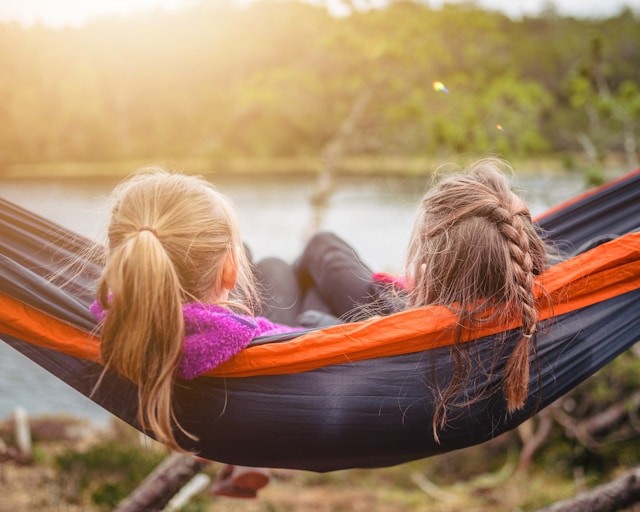
Camping with small kids is supposed to be about unplugging. It’s supposed to be quality time. Nature. Fresh air.
But let’s be real. It can also be a logistical nightmare.
Long treks to a porta-potty. No activities to burn off toddler energy. Neighbors blasting music past midnight. Suddenly, that dreamy family getaway feels like a stress test.
Choosing the right spot changes everything. Some campgrounds are built for families. They have playgrounds. Pools. Clean facilities. Others are traps for the unwary.
Here are five destinations that actually work for young children. And five you should probably avoid until they’re older.
KOA Campgrounds: The Reliable Default
Kampgrounds of America (KOA) isn’t glamorous. But it’s reliable. And for parents, reliable is everything.
With over 500 locations across North America, you’re rarely far from a KOA. This consistency matters when you’re traveling with little ones.
Most sites offer the essentials: swimming pools. Playgrounds. Jumping pillows (yes, really). Mini golf. Many have hiking trails that aren’t too steep for tiny legs.
It’s flexible, too. You can pitch a tent. Park an RV. Stay in a deluxe cabin or even a Glamping Tent. If your kid gets hot or tired, you’re never far from comfort.
They also handle logistics well. Online booking is straightforward. Customer support is generally helpful.
For families who want to minimize friction and maximize fun, KOA is often the safest bet.
Jellystone Park: Themed Entertainment on a Budget
If your kids love character-driven entertainment, Yogi Bear’s Jellystone Park is hard to beat.
This isn’t traditional camping. It’s a resort experience disguised as a camping trip. Daily schedules are packed with activities. Water slides. Laser tag. Obstacle courses.
Younger kids get story times. Character meet-and-greets with Yogi and Boo Boo. Photo ops.
There’s usually something happening from the moment you wake up. And that’s a good thing. It keeps restless spirits occupied.
They have over 75 locations in the US and Canada. Many offer themed weekends, like chocolate lover’s days or Halloween events.
If your goal is to keep kids engaged without them bickering in the tent, Jellystone delivers.
Disney’s Fort Wilderness Resort: Woods Meets Magic
Disney’s Fort Wilderness Resort & Campground occupies a weird middle ground. It’s rustic but optimized.
Spread across 750 acres in the heart of Walt Disney World Resort, it feels like a woodland retreat. You can spot deer. Rabbit. Cypress trees.
But it’s also deeply connected to the Disney ecosystem.
Families can spend the morning in nature. Then hit the Meadow Swimmin’ Pool. Or go horseback riding. Canoeing. Archery.
The infrastructure is top-notch. Check-in and room access happen via the My Disney Experience app. No lines. No fuss.
Some sites are pet-friendly, too. The Waggin’ Trails Dog Park lets pets socialize while you relax.
RVs can be rented and delivered right to your site. That’s huge for families who don’t want to haul their own rig.
Ocean Lakes Family Campground: Beachfront Convenience
Ocean Lakes Family Campground is located on the Atlantic coast in North Myrtle Beach, South Carolina.
It combines beachfront camping with resort-style amenities. A mile-long stretch of coastline includes 20 separate beach access points. You won’t walk far to get to the sand.
The real hub, though, is Sandy Harbor Family Fun Center. It’s all-weather fun. Pools. A lazy river. Water slides. Mini golf. A game center.
They also have practical stuff. A grocery store. Laundry facilities. A restaurant. These matter when you’re out of snacks and running out of detergent.
The Nature Center Discovery Lab lets kids learn about local marine life. It’s educational. But also entertaining.
For families who want sun, sand, and still have things to do when it rains, Ocean Lakes works.
Bethpage Camp-Resort: Activity-Focused Stay
Set near the Chesapeake Bay in Virginia, Bethpage Camp-Resort focuses on activity.
Five swimming pools. A waterslide. Playgrounds. Daily arts and crafts sessions. Movie nights.
If you’re into water sports, they have kayak and canoe rentals. Crabbing. Fishing.
The Poolside Cafe and Bethpage Miniature Golf & Ice Creamary are convenient stops between activities. Lunch doesn’t have to mean packing a cooler for hours.
It’s close to many of Virginia’s other attractions, too. If you want a base that lets you do multiple things, Bethpage is solid.
RV sites and cottages are available. Bike rentals help you get around the large property.
The Criteria: What Makes a Campground Family-Friendly
Why these five? Why avoid the others?
It comes down to specific needs. Toddlers and preschoolers aren’t mini-adults. They have limits.
Safety and Layout
Campgrounds should be safe. Flat paths. Fenced areas near water. No busy internal roads cutting through campsites. Constant supervision shouldn’t be the only way to stay safe.
Amenities
Clean restrooms and shower buildings are non-negotiable. Public health matters. Also, on-site activities. Playgrounds. Open spaces. If kids are bored, parents get stressed.
Accessibility
How far is the store? The pharmacy? The nearest hospital? Remote campsites look pretty in photos. But they’re stressful when your child gets a fever at 2 AM.
Accommodation Options
Not every family wants to sleep in a tent. Cabins. Glamping. RV hookups. Having choices helps accommodate different comfort levels.
Campgrounds to Avoid with Young Children
Not all camping is created equal. Some spots are designed for groups. For experienced outdoorspeople. For people who don’t mind roughing it.
Here are five types of campgrounds to skip with young kids.
1. Primitive or Backcountry Sites
Primitive camping means few to no amenities. No running water. No toilets. Showers. No parking at your site.
It’s rewarding for experts. It’s stressful for parents of toddlers.
Young kids need breaks. They need to wash up. They need a predictable bathroom schedule. Backcountry sites often require long hikes to access basic facilities. That’s too much for little legs.
2. Adult-Oriented Party Sites
Some campgrounds cater to social groups. Music festivals. Late-night parties. Loud gatherings.
Noise pollution ruins sleep. And sleep is crucial for families.
If your kids need to be in bed by 8 PM, a campground known for its weekend bashes is the wrong choice. The atmosphere will feel chaotic. Unwelcoming.
3. Campgrounds with Limited Family Amenities
Some sites are beautiful. But they lack playgrounds. Open play spaces. Organized activities.
Kids need to run. They need to burn energy. Without an outlet, they get restless. Parents get tired of managing that restlessness.
Look for places that actively cater to families. Not just tolerate them.
4. Remote Sites Far from Services
Remote campsites have appeal. Isolation. Quiet. Nature.
But they’re risky for families. How far is the nearest grocery store? Fuel station? Medical facility?
When plans change unexpectedly—or a child gets sick—proximity to services is vital. Don’t gamble on this. Stay reasonably close to basics.
5. Campgrounds with Unsafe Layouts
Before booking, check the map. Look at the satellite view if possible.
Avoid sites next to busy internal roads. Steep slopes. Unfenced bodies of water.
Even well-maintained campsites can have dangerous layouts. Constant supervision is tiring. Choose a place that allows you to relax.
The Verdict
Camping with young children doesn’t have to be a struggle.
The five campgrounds listed here offer activities. Accommodations. And family-friendly amenities that reduce friction.
They allow you to enjoy nature without sacrificing safety or sanity.
A little research before you book goes a long way. You’ll create a trip your whole family remembers for the right reasons.
The others? Save those for when the kids are older. Or when you’re ready to rough it a bit.