
To find a house, you need to look for certain features. You need this light. You need storage space. You need a garage that can accommodate two cars without bumping into each other. But when it comes to long-term care for aging parents or yourself? The checklist is often empty.
The emotional burden of this decision is great. It clouds judgment. We let our emotions take over the search. We stop looking for objective data. We just want it to be over.
But you can do the same inspection at a care facility as you would a kitchen backsplash. It requires a cold, hard look at the basics first. What level of supervision is actually required? Is there enough money in the bank? Where does the family live? Get these answers. Then filter the places.
When you have a shortlist, how do you choose it? You are looking for the non-negotiables. Here is the first of five must-have features in long-term care.
5: Your first impression
Lobby. The hallway. Scent. You notice it before you even sit down and ask about prices or staff-to-patient ratios.
Is the place clean? Not just “vacuumed clean,” but deep clean. Are there odors that indicate poor hygiene or medical neglect? These are early warning signs. If the front desk is chaotic or hostile, care behind closed doors is likely to reflect this energy.
You are looking for a baseline of dignity. A place that welcomes residents, not just families visiting for an hour. Observe how the staff interacts with the people who live there. Are they making eye contact? Do they talk to residents like adults or like children?
This is not about interior design. It’s about the atmosphere. The facility may have the latest MRI equipment and the most expensive bedding, but if the atmosphere isn’t right, that’s a red flag. Your gut reaction in the first five minutes often says more than the sales pitch that follows.
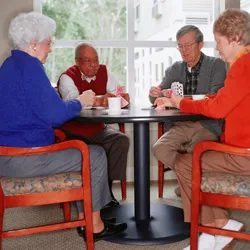
Trust your instincts as soon as you step inside. If the place feels sterile or facilityal, it probably is. Don’t just look at the beds. Look at the air. Does it smell clean or does it scent of disinfectant and decay? Check the lighting. Is it warm and inviting or harsh and fluorescent? Listen. Is there a television in the hallway that acts as a babysitter for the elderly? Or is there room for real conversations?
You are looking for a home, not an facility. The difference is in the details.
Appearance and privacy
Walk through the corridors. Do the rooms feel like private apartments or prison cells? Ask about privacy. Some residents get single rooms. Others share. Either can work, but you need to know which option is available. Look at the layout. Are the rooms arranged in long, anonymous rows? That’s a red flag. Better facilities group residents into smaller households or units. A sense of community arises.
Ask if residents can customize their rooms. Can you bring your own furniture? Your own pictures? Your own carpets? If the answer is no, there is probably lacks warmth in the place. Find out about noise and visiting hours. A rigid policy is often a sign of a rigid culture.
Common spaces and social spaces
Don’t just judge the bedrooms. Public spaces show how people really live. Visit the activity rooms. Do the residents spend their time there? Or do they sit in their rooms and watch TV? Look for outdoor areas. A garden or terrace offers fresh air and variety. It is crucial for mental health.
Rate the cleanliness and comfort of these areas. Are the chairs inviting? Is the lighting enough for reading? Does the space promote socialization? A lonely resident is a sick resident. Social connection is a key part of well-being in long-term care.
Food question
You also want to check out the dining options. Food is more than fuel. It’s a social event. It’s a comfort. It’s human dignity. On the next page, we will go into more detail about the special features of meals and nutrition.

The real test of culture: mealtime
You will receive a glossy brochure filled with activity schedules. Bingo. Water aerobics. Craft hours. That sounds good. But it’s also a trap. A solid activity calendar does not guarantee that your parents will want to spend their Tuesdays weaving necklaces or playing cards.
So skip the brochure. Check the food.
Meals are a social event that almost everyone must attend. Even a resident who claims to live for Jeopardy has to eat. This makes the dining hall the most honest window into the facility’s culture.
What to Watch For During a Meal
Don’t just look at the dining room. Go in during a meal. Sit down. Eat.
Ask yourself three difficult questions:
- Does the food taste good? Would you eat this every day? If the answer is “no”, the resident will feel the same.
- Is there variety? Ask for the weekly menu. Look for rotation, not repetition.
- How are restrictions managed? This is very important for those following a kosher, halal or managing diabetes. Do employees treat these needs as bureaucratic obstacles or as real requirements?
If the institution sees the residents as numbered mouths that need to be fed, you will see it in the cafeteria. If they see individuals, you will see it in the details.
Notice the staff’s demeanor. Do they talk to the residents? Do they check in on slow eaters? Or do they rush through things like factory workers on an assembly line?
The way a place handles dietary preferences and availability of snacks says it all. Can the resident have a midnight snack? Are special requests honored with care? These small touches usually spill over into other areas of care. If they respect your father’s need for low-sodium meals, they’ll likely respect his dignity in the bathroom, too.
3: Staff-to-Patient Ratio
You can eat the best food in the world, but if there is no one to help you, it doesn’t matter.
This is where math gets personal.
A high ratio of staff to residents is not just a number on the wall.
It’s the difference between a resident who gets help in time and one who waits in distress for hours.
It’s the gap between a nurse who has time to notice a subtle change in skin color and a nurse who is too busy charting to look.
Why a relationship is more important than you think
Many facilities pride themselves on their “holistic care models.” Skip the jargon. Look at the floor.
When you visit, pay attention to the hands-on staff. Not administrators in suits. CNAs. Nurses. aides.
How many residents is each employee responsible for? When you see an aide trying to care for four residents in the hallway, the quality of care suffers. It’s simple physics. when you are stretched thin, you can’t provide individualized, attentive care.
But there is a nuance here.
A low ratio is good. But a stable relationship is better. High turnover destroys the continuity of care. If the staff changes every week, your parent becomes a stranger to everyone. They lose their routine. Their preferences. Your story.
Ask about turnover rates. Ask how long the current staff has been

The institutions claim to prioritize independence. They talk about autonomy. However, there is a fine line between encouraging self-reliance and neglecting basic needs. When this line is blurred, residents suffer. The metric that determines where this line lies is the staff-to-patient ratio. In particular, you need to look at the figures for personal care aides. These are the people who do the heavy lifting. Getting dressed. Eat. Move.
When exploring options, don’t accept vague promises. Ask for exact numbers. A decent daily ratio is about one helper per five or six residents. At night, when it is quieter, but the risks increase, the number should increase to one helper in fifteen. Anything worse and you’re gambling with safety.
Beyond the Spreadsheet: The Human Element
The numbers tell part of the story. They don’t tell everything. Imagine that you wake up in a room where the faces you see every single shift are strangers. This is a reality in facilities with high turnover or poor scheduling. It’s exhausting. It’s isolating. Residents need continuity. They need to know who will come to their aid without feeling like a transaction in a revolving door.
A smooth transition into care depends heavily on trust. This trust is built through a consistent caregiver. Not a team of ten different people who never meet. Someone who learns your rhythm. Your preference. Your mood.
What should you look for when you walk in the door? Observe the interactions. Does the staff know the residents by name? Or do they call generic labels? See how they react. Is it a quick, happy nod to the request? Or does it take a long time for someone to finishes a phone call? A positive interaction can be seen. They are audible. If staff seem annoyed by a simple question, the culture is probably broken.
Social ecosystem
We tend to judge institutions based on what we see. Cleanliness. Food. staff ratios. But there is another level. The other people. The residents themselves.
The social dynamics of the institution can determine the success or failure of the experience. A place can have perfect ratios and still feel like a prison if the community is toxic. Or it can feel like home when the residents support each other. This is more difficult to measure. You cannot put a number on camaraderie. But it is important. Just like the aide that helps you get up in the morning.
Next, we delve deeper into the social structure. Unspoken rules. The cliques. Silent conflicts take place in the dining room.

The physical space is important, but the truth is found in the human element. Look at the residents. Are they clean? Groomed? Do they seem engaged with the world around them or isolated in their rooms?
People who are cared for well usually show it. If most of the residents are sitting quietly in their rooms while others are walking the corridors, that is a data point. If they participate in the activity, that’s another matter. They look for signs of dignity. Signs that someone has been paying attention to them lately.
But one visit is never enough.
The guided tour is a performance. The staff will introduce you to the shiny new wing, clean dining room and fun group activities. It’s the facility’s best foot forward. To see what is true, you have to go back. Unannounced.
Visit at least twice more. Come during lunch. Come late at night. Walk through the common areas when no one is expecting an audience. There you have to understand the rhythm of the whole day. What happens if the guide leaves? How do people behave when the cameras are off?
Checking the Report Card
The tour tells you what you want to see. The official information tells you what went wrong.
If the facility accepts Medicare or Medicaid funding, it is inspected by a state inspector every 15 months. These results are publicly available. They must be kept on site and shown to anyone who asks. This is your report card.
Check for violations. Physical abuse. Violation of health regulations. Staff shortage.
No place is perfect. Some violations are minor. A sign is missing here, a dusty shelf there. But patterns matter. If you notice recurring problems, ask the staff about them. Do they take complaints seriously? Or are they swept under the rug? Their reactions may say more about their culture than the violation itself.
Another often free and very reliable resource is the state long-term care ombudsman.
Ombudsmen are advocates for residents and their families. They visit the premises regularly, often without warning. They know the problems. They know which houses treat people with respect and which don’t. They can also advise which facilities might suit your specific needs. Use them. Their services are free.
Dig deeper
Choosing a place is about more than square footage and menu options. It’s all about trust.
It’s about knowing someone is watching, even when you’re not there. Someone still cares.
The facts are there if you look for them. In the eyes of the residents. In inspection reports. In the quiet moments between scheduled tours.
Finding the right fit is not easy. But it is necessary. The people who live there deserve better than a brochure. You deserve to know what is true.