


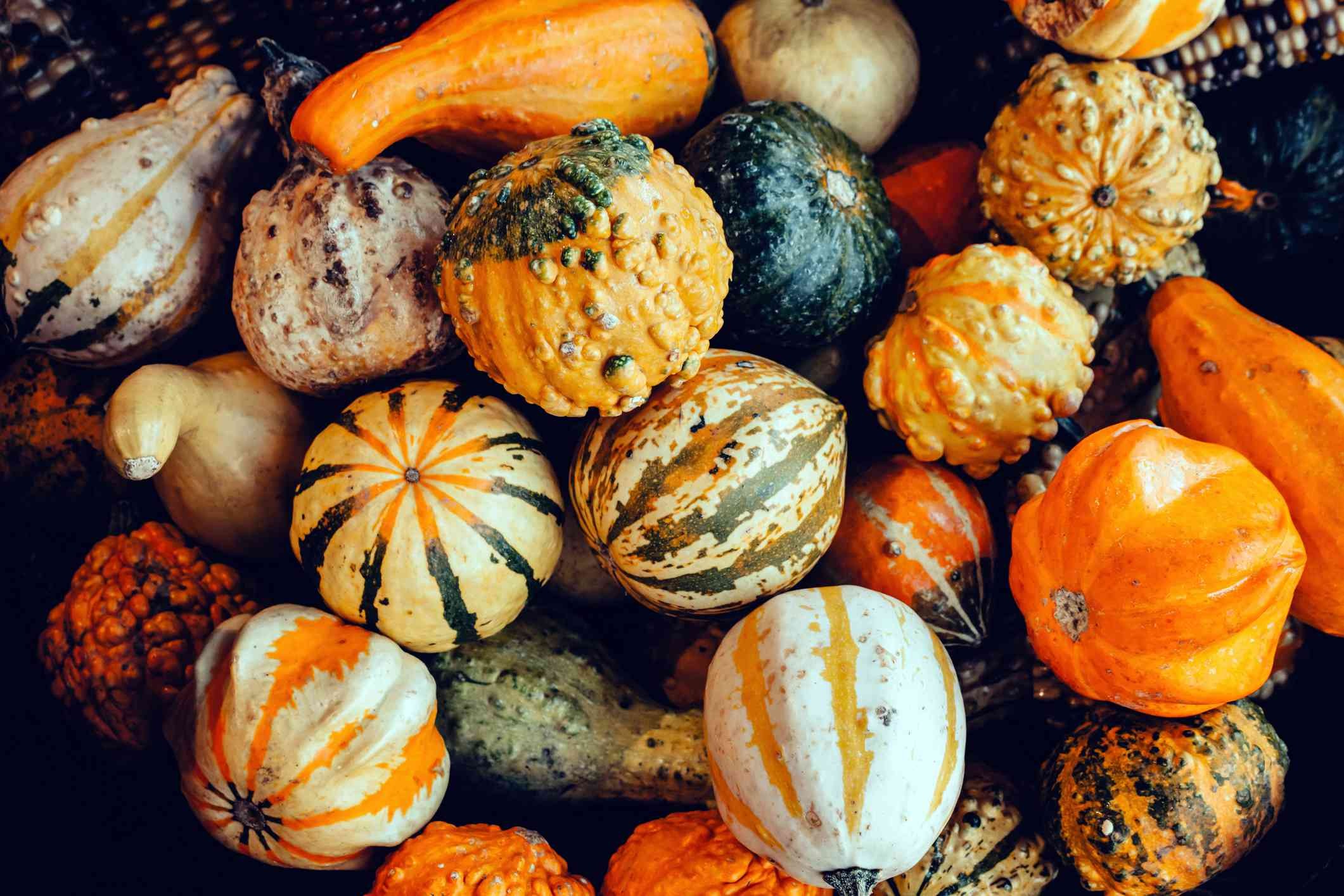
Winter squash—including butternut, acorn, and delicata types—are a nutritional powerhouse. Unlike summer squashes, these varieties mature fully before harvest, developing hard rinds ideal for long-term storage. This makes them a staple for cold-weather diets and a smart choice for maximizing seasonal eating.
Why Winter Squash Matters
These squashes aren’t just convenient; they offer concentrated nutrition when fresh produce is scarce. Their hard shells protect dense flesh packed with vitamins, minerals, and fiber, making them an efficient way to stay healthy during winter. Beyond basic nutrition, understanding the differences between varieties lets you tailor your diet for specific needs.
The Top 10 Winter Squash: A Breakdown
Here’s a look at 10 of the healthiest winter squash options, with details on how to use them:
1. Acorn Squash
A classic choice, acorn squash boasts a sweet, nutty flavor. It’s rich in vitamin C, vitamin A, potassium, and magnesium, along with powerful antioxidants like beta-carotene. The skin is edible when tenderized.
Usage: Roast, bake, or steam; ideal for salads, soups, or baked goods.
2. Butternut Squash
Perhaps the most popular winter squash, butternut delivers a sweet, nutty flavor and high fiber content. One cup cooked provides over 100% of the daily value for vitamin A and over 30% for vitamin C.
Usage: Similar to acorn squash, it excels in both savory and sweet dishes.
3. Spaghetti Squash
This unique squash separates into spaghetti-like strands when cooked, making it a low-carb pasta alternative. It contains fiber, vitamin C, and manganese, though slightly fewer nutrients than acorn or butternut.
Usage: Roast until tender, then shred with a fork; top with sauce or seasonings.
4. Delicata Squash
Known for its sweet, pumpkin-like flavor and tender, edible skin, delicata squash is easy to prepare. It provides 13% of the daily value for potassium, which supports blood pressure regulation.
Usage: Roast thinly sliced squash for salads or grain dishes.
5. Red Kuri Squash
A beautiful reddish-orange squash with incredibly sweet flesh. Packed with vitamins A and C, and potassium, it’s versatile enough for decor and cooking.
Usage: Roast slices with olive oil, salt, and pepper for a simple side dish.
6. Sweet Dumpling Squash
Small and apple-shaped, this squash has a creamy texture when cooked. It’s rich in antioxidants, including phenolic compounds and beta-carotene, reducing the risk of chronic diseases.
Usage: Stuff baked halves with quinoa, feta, and cranberries for a festive meal.
7. Musquée de Provence
A large French pumpkin with a sweet, bright orange flesh. It offers antioxidants and vitamins A and C. Often sold pre-sliced for convenience.
Usage: Roast or bake for optimal flavor; it can even be enjoyed raw in some cases.
8. North Georgia Candy Roaster
A large pink squash with teal tips, growing up to 15 pounds. It has a sweet pumpkin-like taste and is rich in vitamins C and A.
Usage: Roast, steam, boil, or bake for versatile use in pies, soups, or baked goods.
9. Kabocha Squash
Also known as Japanese pumpkin, kabocha squash has a dark green rind and sweet orange flesh. It’s high in potassium, vitamin A, and vitamin C and is sweeter than butternut squash.
Usage: Roast wedges for 30 minutes at 420°F (216°C) for a delicious side dish.
10. Blue Hubbard Squash
A distinctive bluish-green squash with sweet yellow flesh. One cup provides over 35% of the daily value for fiber, supporting digestive health.
Usage: Enjoy in pies, soups, or simply roasted for a nutritious meal.
Conclusion
Winter squash are a versatile and nutrient-dense addition to any cold-weather diet. From their concentrated vitamins and minerals to their unique flavors, these varieties offer a delicious and efficient way to stay healthy when fresh produce is limited. Choosing the right squash for your needs ensures maximum benefit from this seasonal staple.


