Summer is here. You want that taste? You don’t need a plane ticket. We’re digging into the recipes, the shopping list, and the actual science behind this famous eating style. Let’s bring the Mediterranean to your kitchen. 🍋
Everyone says this diet is the gold standard. And they aren’t wrong. The data piles up daily. Lower cholesterol. Better blood pressure. A reduced chance of heart disease. Diabetes risk drops. Inflammation cools off. Even your brain stays sharper longer as you age.
Why does it work?
It’s simple biology. Vegetables. Fruit. Whole grains. Real proteins. Nuts and seeds. The list is long, sure. But look at what’s missing. Processed junk. Ultra-processed everything. That’s the real secret. There are 22 countries around this sea. Each one cooks differently. Yet some ingredients stick around in every kitchen.
Extra-Virgin Olive Oil
Refined oil is stripped clean. Not EVOO. It stays minimally processed. Which means it keeps those polyphenols. Beneficial plant compounds with antioxidant and anti-inflammatory power. They likely explain half the health halo here.
Then there’s oleic acid. A monounsaturated fat linked to happy cholesterol levels and a healthier heart. Mediterranean cooks aren’t shy. They pour it on salads. They fry in it. But you don’t need buckets. Just one and a half tablespoons a day does the heavy lifting for heart health.
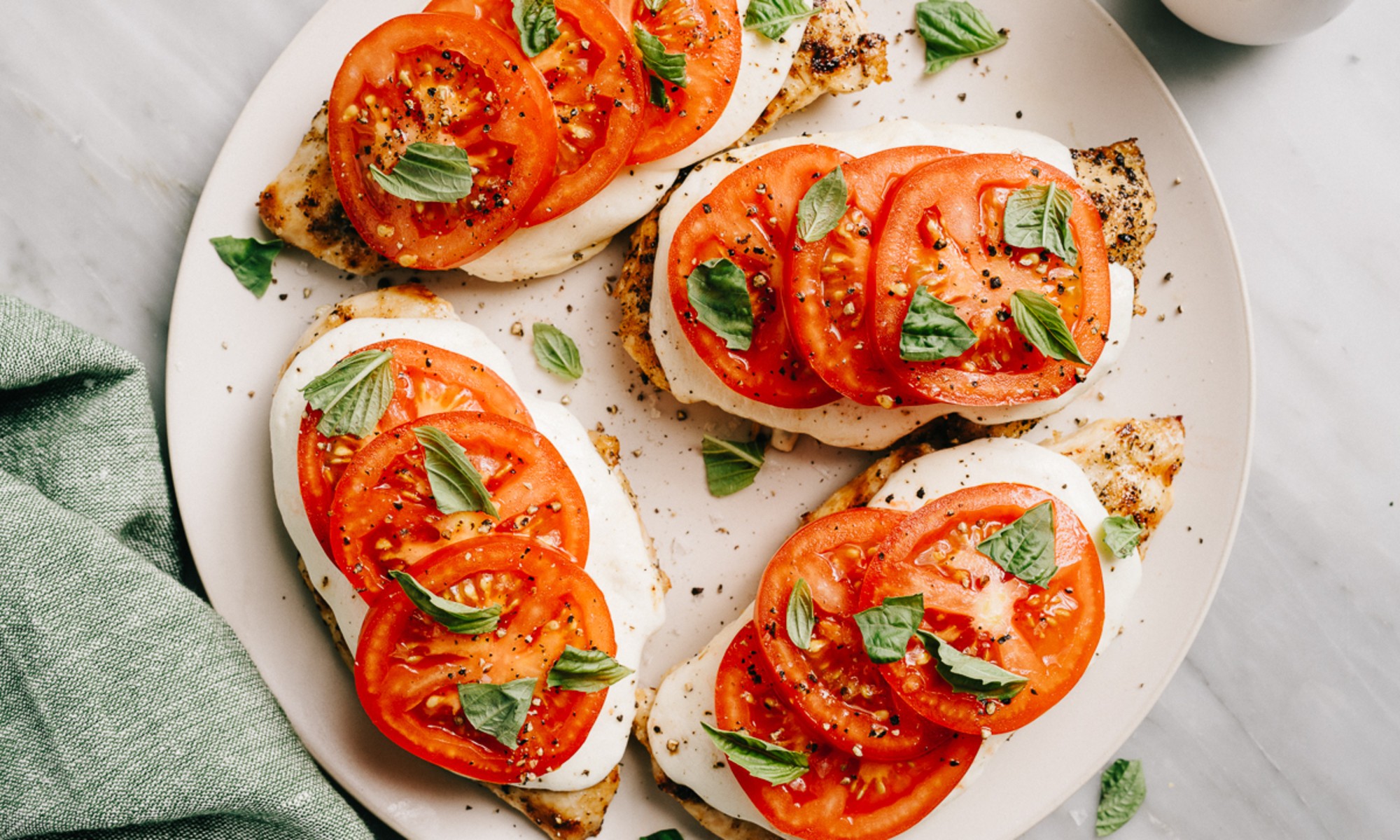
A plate of sliced tomatoes, oil, salt. That is the dream. 🍅
Tomatoes. Fresh, roasted, stewed, blended into sauces. Endless options really. They pack vitamin C, potassium, lycopene. That antioxidant supports metabolic and heart function. Here is the kicker: lycopene absorbs better when cooked and eaten with fat. Which is why the oil pairing isn’t just flavor. It’s function.
Chickpeas and Legumes
Beans are the backbone. Fiber and protein without the fuss. Chickpeas lead the charge. A half cup gives you about 7 grams of fiber. Plus 7 grams of protein. Math works in your favor there.
They fit anywhere. Hummus. Grain bowls. Falafel. Soups. Salads. They’re cheap, too. Versatility plus affordability? You can’t argue with that.
Sardines
Red meat? Not really the main event. Seafood takes the stage instead. Sardines are the MVP here. Tiny fish, huge nutrition. Protein. Omega-3s. Vitamin D. Calcium. The EPA and DHA fats specifically support the heart and brain.
Since sardines are small and low on the food chain, they hold less mercury than tuna. Traditional prep? Lemon. Oil. Veg. Grains. It’s nutrient density in its simplest form.
Spinach
Leafy greens appear everywhere. Spinach specifically. It brings folate, magnesium, vitamin K. Plant compounds that keep you ticking. Plus it’s easy to eat. Raw in salad? Yes. Sautéed with garlic? Easy. Folded into eggs? Done. Blended into a smoothie or stirred into soup? You won’t even miss it.
Walnuts
Nuts are standard fare in the region. But walnuts stand out. They are the only tree nut that actually provides significant plant-based omega-3s (ALA). They also carry fiber, minerals, polyphenols. Regular eaters might see better cholesterol scores and sharper minds. Two big wins for aging well.
Citrus Fruits
Oranges, lemons, grapefruit. They love the sun there. And they show up in everything from sweets to savory seafood platters. We know vitamin C. But the fiber? The flavonoids? Those plant compounds fight inflammation. They help the cardiovascular system too.
Want an instant Mediterranean upgrade? Squeeze lemon. On fish. On veg. On beans. It’s the fastest way to shift the vibe.
Honey
Sweets aren’t central. But honey? Centuries old tradition. Natural sweetness for yogurt. A partner for nuts and fruit. Small amounts in baking. It grounds the meal.
These eight foods are common threads. But don’t box yourself in. The principle matters more than the recipe. Eat more produce. Add legumes. Choose quality protein. Adapt it to what you have. Make it yours.