


Living with multiple sclerosis (MS) doesn’t mean sacrificing the activities you love. While symptoms like fatigue, weakness, or vision changes can make hobbies challenging, thoughtful adjustments allow most people to continue enjoying their passions safely and comfortably. The key lies in recognizing changes and adapting, rather than giving up entirely.
Why Adaptation Matters
Hobbies are more than just leisure; they contribute to identity, reduce stress, foster creativity, and provide social connection. Losing access to these activities can diminish quality of life. Recognizing this importance drives the need for proactive adaptation.
Adapting Common Hobbies
Many hobbies can be modified with simple changes. Here’s how to approach several popular activities:
Cooking and Baking: Fatigue and cognitive issues can make cooking risky. Planning ahead – prepping ingredients earlier – conserves energy. Organize your kitchen for easy reach, reduce distractions, and consider using slower cooking methods like slow cookers or air fryers. Pre-chopped produce and food processors also help.
Reading: Vision changes or hand weakness can hinder reading. Large-print books, adjustable e-readers, and book stands minimize strain. Using paper clips or binder clips to hold pages open frees your hands. Audiobooks offer an alternative when physical reading becomes difficult.
Pet Care: Pets provide companionship but require physical effort. Smaller dogs or cats are easier to manage. Self-cleaning litter boxes and automatic feeders reduce daily chores. Consider delivery services for heavy supplies.
Video Gaming: Reaction time and coordination changes can affect gaming. Choose games with adjustable difficulty settings. Ensure proper posture with supportive seating to prevent pain.
Outdoor Activities: Hiking and biking can be adapted with trekking poles for stability or recumbent bikes and trikes for reduced physical strain. Embracing these tools may feel awkward, but they prioritize safety.
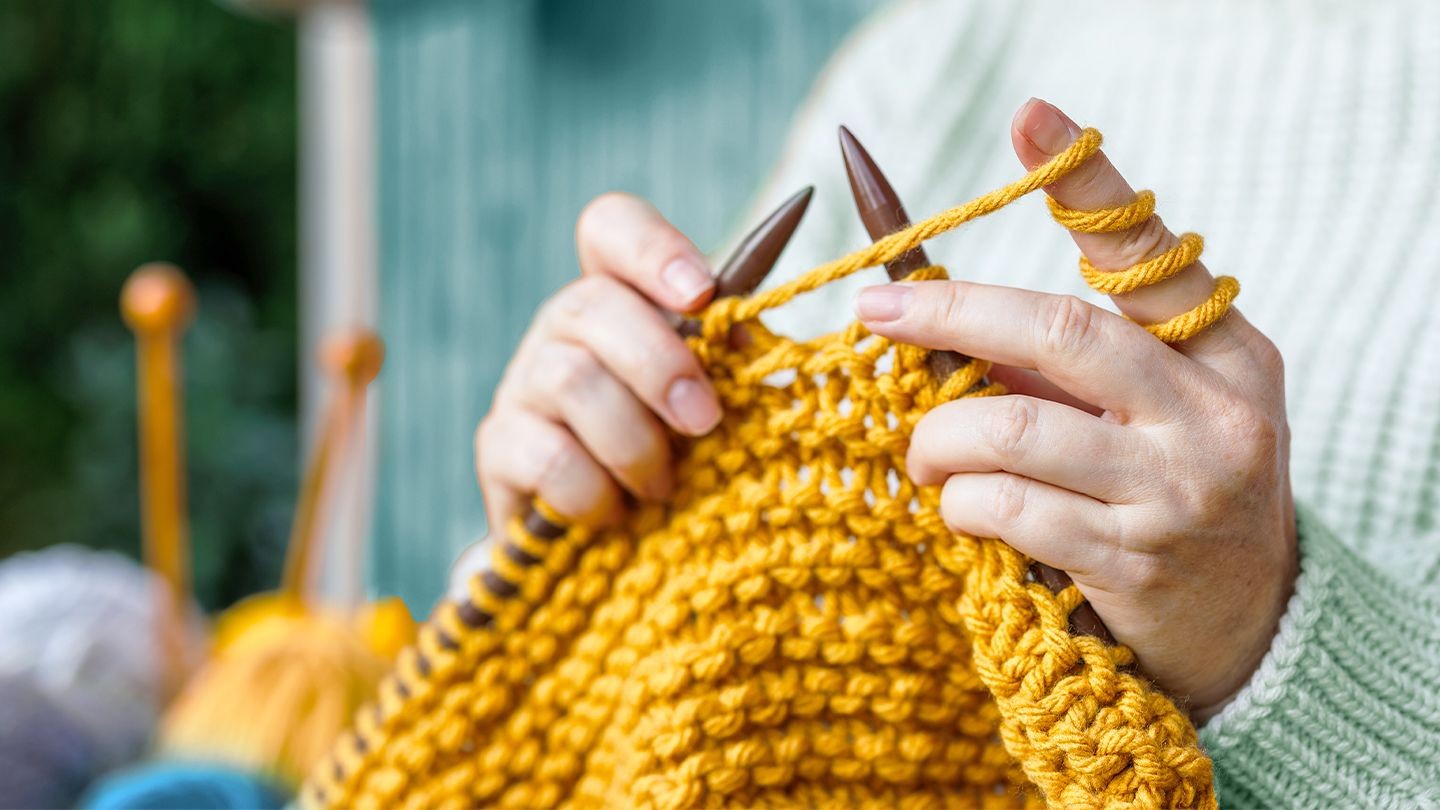
Arts, Crafts, and DIY Projects: Thicker yarn, brighter colors, and larger tools improve visibility and handling. Adding grips to tools enhances control. Tracking progress by counting stitches or using assistive devices minimizes frustration.
Socializing: Fatigue and sensory overload can make socializing challenging. Disclosing your MS to friends allows for understanding and flexibility. Hosting at home, choosing low-key activities, or pacing yourself conserve energy.
Shopping: Use store-provided scooters or shopping carts for support. Take frequent breaks and plan ahead to minimize exertion.
Seeking Support
Adapting doesn’t have to be a solitary process. Discuss ideas with loved ones, occupational therapists, or MS support groups. Occupational therapists can break down activities and rebuild them in accessible ways. Recreational therapists and peer support networks also provide valuable resources.
The Bottom Line
MS doesn’t have to mean giving up the hobbies you love. Simple adjustments, professional guidance, and open communication enable continued participation in meaningful activities. By prioritizing safety and energy management, individuals with MS can maintain an active, fulfilling lifestyle.


