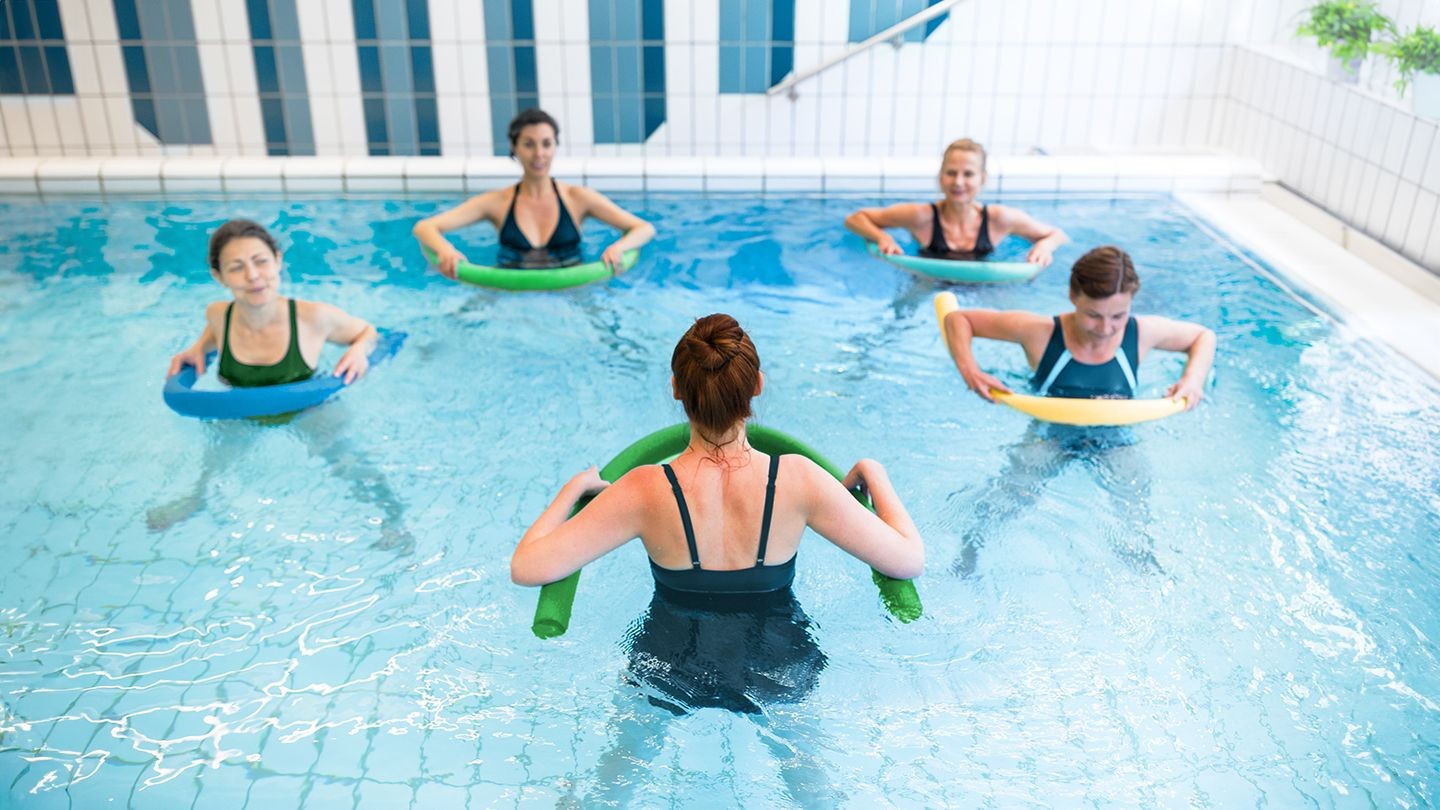
Water aerobics is a surprisingly effective way to improve your health. From boosting cardiovascular fitness to building strength with minimal joint stress, it’s a workout that’s accessible to almost anyone. This guide breaks down seven water-based exercises and explains why they matter, backed by expert insights.
Why Water Aerobics Works
The benefits of exercising in water aren’t just about fun; they’re rooted in physics and physiology. Water’s natural resistance increases the intensity of your movements, meaning you burn more calories without the pounding impact of land-based workouts. This makes it especially valuable for people with arthritis or joint pain, allowing them to stay active without worsening their symptoms. But even for those without pre-existing conditions, water aerobics provides a unique challenge.
7 Water Aerobics Exercises to Try
Here’s a breakdown of effective exercises, designed to elevate your pool workouts:
-
Pool Walking: This simple exercise leverages water resistance to strengthen muscles and improve cardiovascular health. Stand in chest-deep water and walk across the pool, pumping your arms as if power walking. The water reduces impact on joints, making it ideal for recovery or low-impact training.
-
Pool Noodle Skipping: Mimic jumping rope underwater using a pool noodle. Holding one end in each hand, sweep the noodle under your body while jumping and tucking your knees. This provides cardio benefits without the joint stress of traditional skipping.
-
Treading Water: This full-body exercise builds endurance and strength. Stand in chin-deep water and paddle your arms while kicking your legs to stay afloat. For an added challenge, use webbed gloves to increase resistance. Ensure you’re comfortable swimming before attempting this in deeper water.
-
Water Jumping Jacks: A familiar exercise made more challenging by water resistance. Stand in chest-deep water and perform jumping jacks as you would on land. The water forces your muscles to work harder, increasing calorie burn.
-
Side Shuffle: This exercise targets thigh and glute muscles. Stand in waist- or thigh-deep water, bend your knees slightly, and shuffle sideways across the pool. Focus on controlled movements to maximize muscle engagement.
-
Alternating Scissor Jump: This dynamic exercise mimics jogging with exaggerated movements. Stand in chest-deep water, jump, and kick one leg forward while driving the opposite arm forward. Alternate sides, keeping your core engaged.
-
Butt Kicker: A hamstring-focused exercise that’s more challenging in water. Hold onto the pool edge for stability and bring one heel up towards your glute. Alternate legs, maintaining a steady pace.
The Science Behind the Benefits
Water aerobics isn’t just about feeling good; it’s about measurable results.
- Calorie Burn: A 155-pound person can burn approximately 144 calories in 30 minutes of water aerobics, depending on intensity.
- Joint Relief: The buoyancy of water reduces stress on joints, making it suitable for people with arthritis or injuries.
- Strength Building: Water resistance provides natural strength training, helping build muscle without the need for weights. Harvard Health Publishing confirms that water resistance effectively builds muscle.
Expert Perspective
Reyna Franco, RDN, a registered dietitian-nutritionist and certified sports specialist, highlights the versatility of water aerobics: “Water provides a unique environment for exercise, allowing for increased resistance and reduced impact. It’s a valuable tool for managing weight, improving cardiovascular health, and building strength.” Tim Petrie, a sports medicine physical therapist, adds that water aerobics is a safe and effective option for rehabilitation and injury prevention.
Conclusion
Water aerobics offers a low-impact yet effective workout solution. Whether you’re recovering from an injury, looking to burn calories, or simply seeking a new fitness routine, the pool provides an accessible and beneficial environment. By incorporating these exercises into your regimen, you can enhance your strength, endurance, and overall well-being.