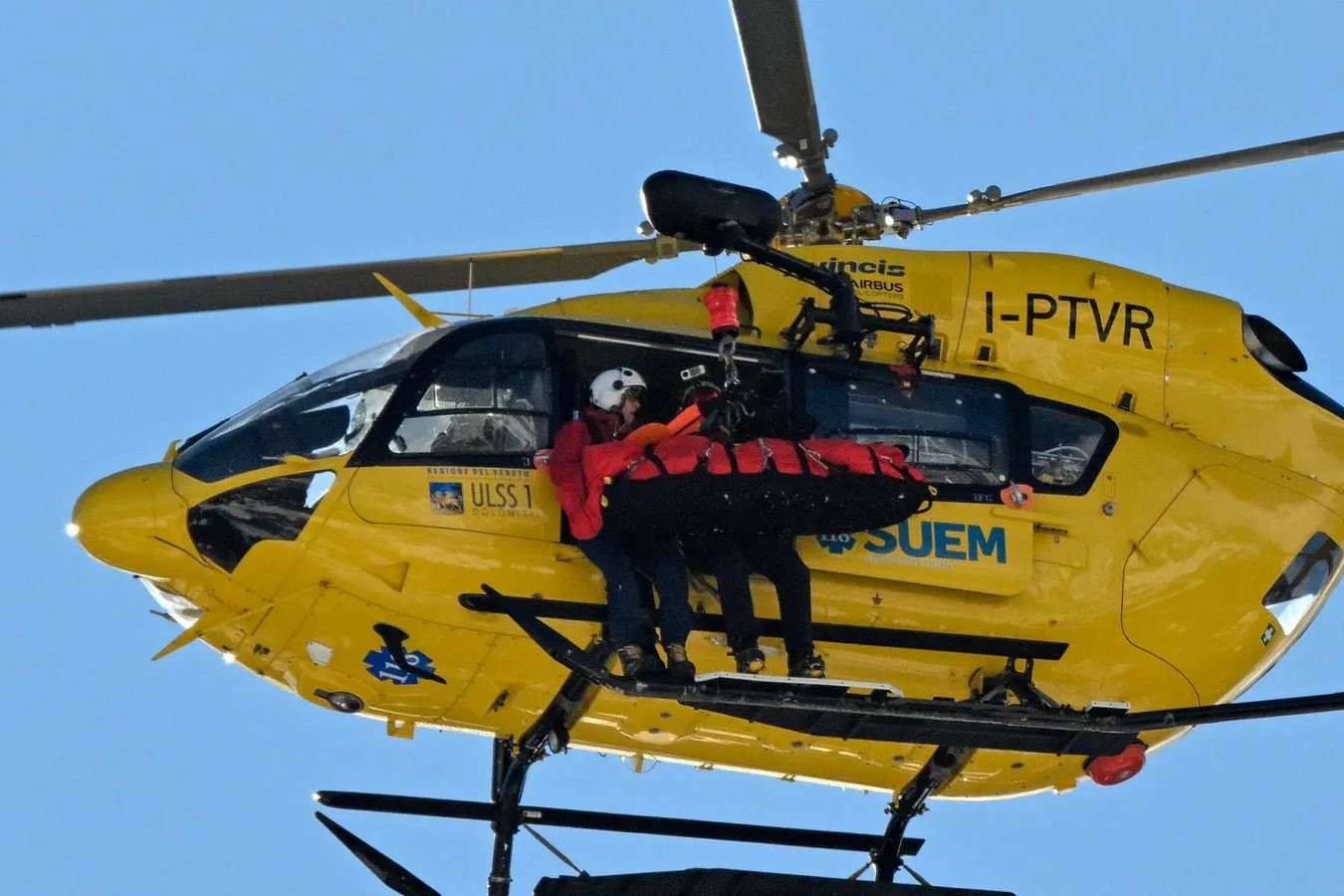
U.S. Olympic skier Lindsey Vonn recently faced a life-threatening complication after a severe leg injury sustained during the 2026 Milan Cortina Winter Olympics: acute compartment syndrome. The condition, triggered by a complex tibial fracture, nearly resulted in amputation before swift surgical intervention saved her leg. This incident highlights a dangerous yet often overlooked medical emergency that arises from traumatic injuries.
What Is Compartment Syndrome?
Compartment syndrome occurs when swelling and bleeding within a muscle compartment – an enclosed space within the body containing muscles, nerves, and blood vessels – restrict blood flow. The body’s natural fascia, a tough membrane surrounding muscles, doesn’t stretch easily. When excessive fluid accumulates due to trauma, pressure rises rapidly, squeezing off circulation. Without immediate treatment, tissue dies from oxygen deprivation, leading to irreversible damage and potentially limb loss.
This is not just a theoretical risk: roughly 1 in 10 tibial fractures develop acute compartment syndrome. Vonn described the ordeal bluntly, explaining how her leg was “filleted open” in a fasciotomy — an emergency procedure where surgeons cut through the fascia to relieve pressure and prevent tissue death.
The Severity of Acute vs. Chronic Forms
Compartment syndrome manifests in two primary forms: acute and chronic. Acute syndrome, like Vonn’s case, is a surgical emergency stemming from severe injuries such as fractures or crushing trauma. The rapid onset demands immediate intervention.
Chronic compartment syndrome develops more gradually, often due to repetitive stress leading to inflammation and fluid buildup. While less immediately life-threatening, it can still cause debilitating pain and require treatment. The key difference lies in the speed of onset and the urgency of intervention.
Surgical Intervention: The Fasciotomy
In acute cases, the only effective treatment is a fasciotomy. Surgeons make incisions to release pressure, allowing blood flow to restore. The wounds often require skin grafts to close properly, adding another layer of complexity to recovery. Vonn’s case involved a six-hour surgery to repair the fracture and address the compartment syndrome, followed by a blood transfusion due to significant blood loss.
A Long Road to Recovery
Vonn’s ordeal is far from over. Complex fractures, fasciotomies, and blood transfusions all contribute to a lengthy recovery process. She will need extensive physical therapy to rebuild strength, regain coordination, and heal her wounds. Beyond the physical challenges, the mental and emotional toll of such trauma is significant.
Despite the severity of her experience, Vonn expressed gratitude for the care she received, acknowledging how close she came to losing her leg. Her case serves as a stark reminder of the risks associated with high-impact sports and the critical importance of swift, decisive medical intervention in life-threatening injuries.