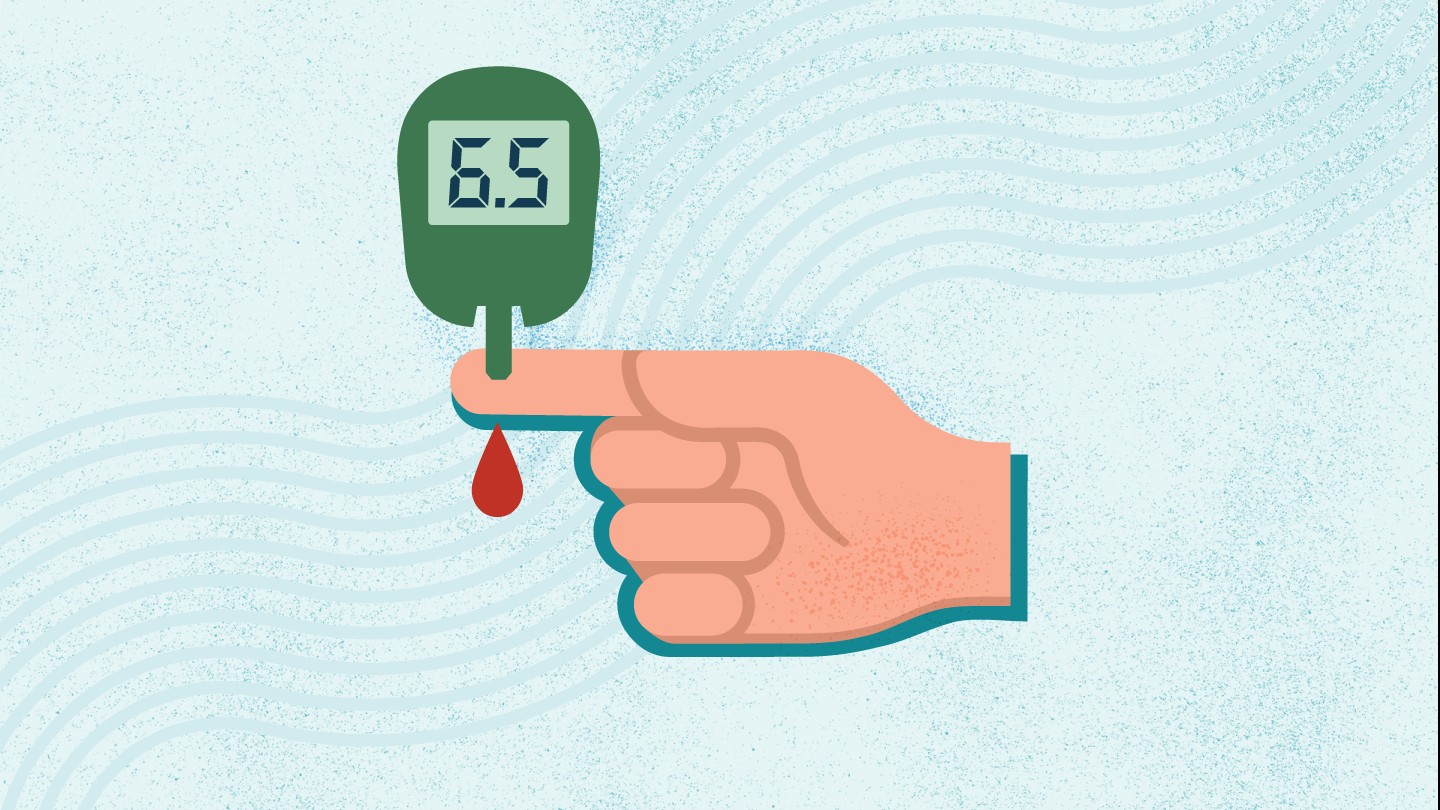
Type 2 diabetes is a chronic condition characterized by high blood sugar levels, primarily due to the body’s inability to effectively use insulin. Unlike Type 1 diabetes, which involves an autoimmune attack on insulin-producing cells, Type 2 develops gradually as the body becomes resistant to insulin or the pancreas fails to produce enough. This resistance forces the pancreas to work harder, eventually leading to exhaustion and further blood sugar imbalance.
The Rising Prevalence and Why It Matters
The dramatic increase in Type 2 diabetes cases worldwide is largely driven by lifestyle factors – poor diets, lack of physical activity, and rising obesity rates. This isn’t just about individual health; it places a massive burden on healthcare systems, contributes to economic strain, and disproportionately affects vulnerable populations. The long-term complications are severe and preventable with early intervention.
Understanding the Symptoms and Risk Factors
Many people live with Type 2 diabetes for years without knowing, as early symptoms are often mild or absent. However, as blood sugar rises, common signs include:
- Frequent Urination & Thirst : The body tries to flush out excess sugar, leading to dehydration.
- Unexplained Weight Loss : Despite increased appetite, cells can’t access sugar for energy, causing the body to break down muscle and fat.
- Blurred Vision, Fatigue, and Slow-Healing Wounds : High blood sugar damages nerves and blood vessels, impacting various bodily functions.
Certain factors significantly increase your risk:
- Obesity and Poor Diet : Excess weight and processed food consumption overwhelm the body’s insulin system.
- Sedentary Lifestyle : Lack of physical activity worsens insulin resistance.
- Genetics & Family History : While not deterministic, a family history increases susceptibility.
- Age & Ethnicity : Older individuals and certain ethnic groups (Indigenous, Black, Hispanic) face higher risks, often linked to socioeconomic factors and healthcare access.
Diagnosis and Monitoring
Diagnosing Type 2 diabetes is straightforward with blood tests:
- A1C Test : Provides an average blood sugar level over the past 2-3 months. A result of 6.5% or higher indicates diabetes.
- Fasting Glucose Test : Measures blood sugar after an overnight fast. A level of 126 mg/dL or higher confirms the diagnosis.
Regular monitoring is essential, even without symptoms, as early detection allows for timely intervention.
Treatment and Lifestyle Changes
Type 2 diabetes is highly manageable, but requires consistent effort. The cornerstone of treatment involves lifestyle modifications:
- Diet : Focus on non-starchy vegetables, lean proteins, and whole grains. Limit sugar, refined carbohydrates, and processed foods. The Mediterranean diet, low-carb approaches, or plant-based eating can all be effective.
- Exercise : Aim for at least 150 minutes of moderate-intensity activity weekly. Physical activity boosts insulin sensitivity and improves overall health.
- Medication : If lifestyle changes aren’t enough, doctors may prescribe metformin (first-line drug), GLP-1 agonists (weight loss and blood sugar control), SGLT-2 inhibitors (glucose removal through urine), or, in severe cases, insulin.
Long-Term Complications and Prevention
Uncontrolled Type 2 diabetes leads to devastating complications:
- Cardiovascular Disease : Heart attacks, strokes, and peripheral artery disease are significantly more common.
- Neuropathy : Nerve damage causes pain, numbness, and impaired function.
- Nephropathy : Kidney failure requires dialysis or transplant.
- Retinopathy : Vision loss and blindness.
Prevention is paramount. Maintaining a healthy weight, eating a balanced diet, exercising regularly, and managing stress can significantly reduce your risk.
The Bottom Line: Type 2 diabetes is a complex but manageable condition. Early diagnosis, consistent lifestyle changes, and appropriate medical treatment are crucial for preventing severe complications and maintaining quality of life.