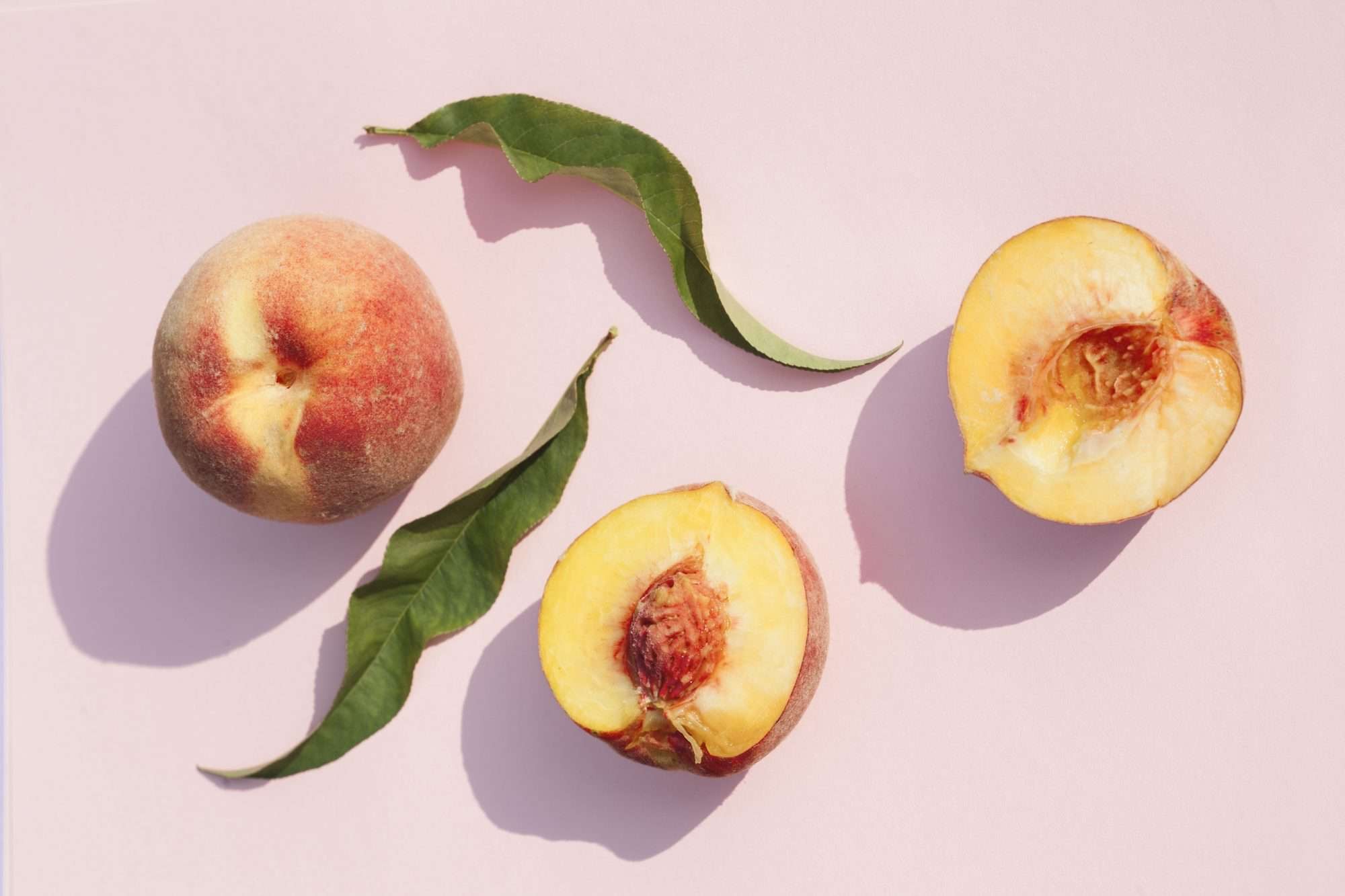
Peaches ( Prunus persica ) aren’t just a summertime treat; they’re a nutrient-rich fruit with a range of health benefits backed by science. From improving digestion to supporting immune function, incorporating peaches into your diet can have a positive impact on your well-being. This guide breaks down the key advantages, nutritional content, and potential risks associated with this popular stone fruit.
Digestive Health and Blood Pressure Control
One of the most significant benefits of peaches is their positive effect on gut health. A single medium peach provides around 2.2 grams of fiber – a crucial component for preventing constipation and nurturing a balanced gut microbiome. Fiber isn’t just about regularity; it also helps regulate blood sugar levels, preventing spikes and crashes after meals.
Beyond fiber, peaches contain prebiotics, which act as food for beneficial gut bacteria. A healthy gut microbiome is increasingly linked to better immune function, improved mood, and reduced inflammation.
Peaches also contribute to healthy blood pressure levels due to their high potassium content. Potassium counteracts the effects of sodium, a major contributor to hypertension. By acting as a natural diuretic, potassium helps flush out excess sodium and fluid, easing the strain on your heart and arteries.
Skin, Eye, and Immune Support
Peaches are packed with vitamins and antioxidants that play vital roles in skin and eye health. Beta-carotene, a precursor to vitamin A, helps shield skin from sun damage, while vitamin C boosts collagen production, improving skin elasticity and hydration (a peach contains roughly 130 grams of water).
For vision, peaches provide lutein and zeaxanthin, carotenoids that protect the retina and lens. These compounds can reduce the risk of age-related macular degeneration and cataracts – leading causes of vision loss. Vitamin A deficiency, though rare, can lead to severe vision impairment, highlighting the importance of including vitamin A-rich foods like peaches in your diet.
The immune system also benefits from peaches. A medium peach delivers approximately 6 milligrams of vitamin C, contributing 7–8% of the daily recommended intake. Vitamin C is essential for the production, function, and protection of key immune cells. Additionally, peaches contain vitamin A, supporting lung and organ health, and possess natural antimicrobial properties that help fight off harmful bacteria.
Antioxidant Power and Nutritional Breakdown
Peaches are a rich source of antioxidants, including polyphenols and carotenoids. These compounds combat oxidative stress – an imbalance between free radicals and the body’s ability to neutralize them. Oxidative stress contributes to premature aging, cell damage, and the development of chronic diseases. By neutralizing free radicals, antioxidants protect brain health and may reduce the risk of neurodegenerative conditions like Alzheimer’s disease.
Here’s a nutritional snapshot of a typical yellow peach:
- Calories: 67.6
- Fat: 0.4 g (0.5% DV)
- Sodium: 19.1 mg (0.8% DV)
- Carbohydrates: 14.8 g (5.4% DV)
- Fiber: 2.2 g (7.9% DV)
- Protein: 1.3 g (2.6% DV)
Potential Risks and Consumption Tips
While peaches are generally safe, individuals with oral allergy syndrome (OAS) may experience allergic reactions, especially if they have pollen allergies. Symptoms can include itching, swelling of the mouth and throat.
Eating excessive amounts of peaches too quickly can cause gastrointestinal discomfort due to their fiber content. Gradually increasing fiber intake minimizes bloating, cramps, and gas.
To enjoy peaches fully:
- Add slices to oatmeal or overnight oats.
- Grill peaches for salads or slaws.
- Use them in pies, cobblers, and desserts.
- Purée for sauces, pudding, or frozen treats.
- Blend into smoothies.
In conclusion, peaches offer a diverse range of health benefits, making them a valuable addition to a balanced diet. From supporting gut health and immune function to protecting vision and skin, this fruit delivers significant nutritional value with minimal risk when consumed responsibly.