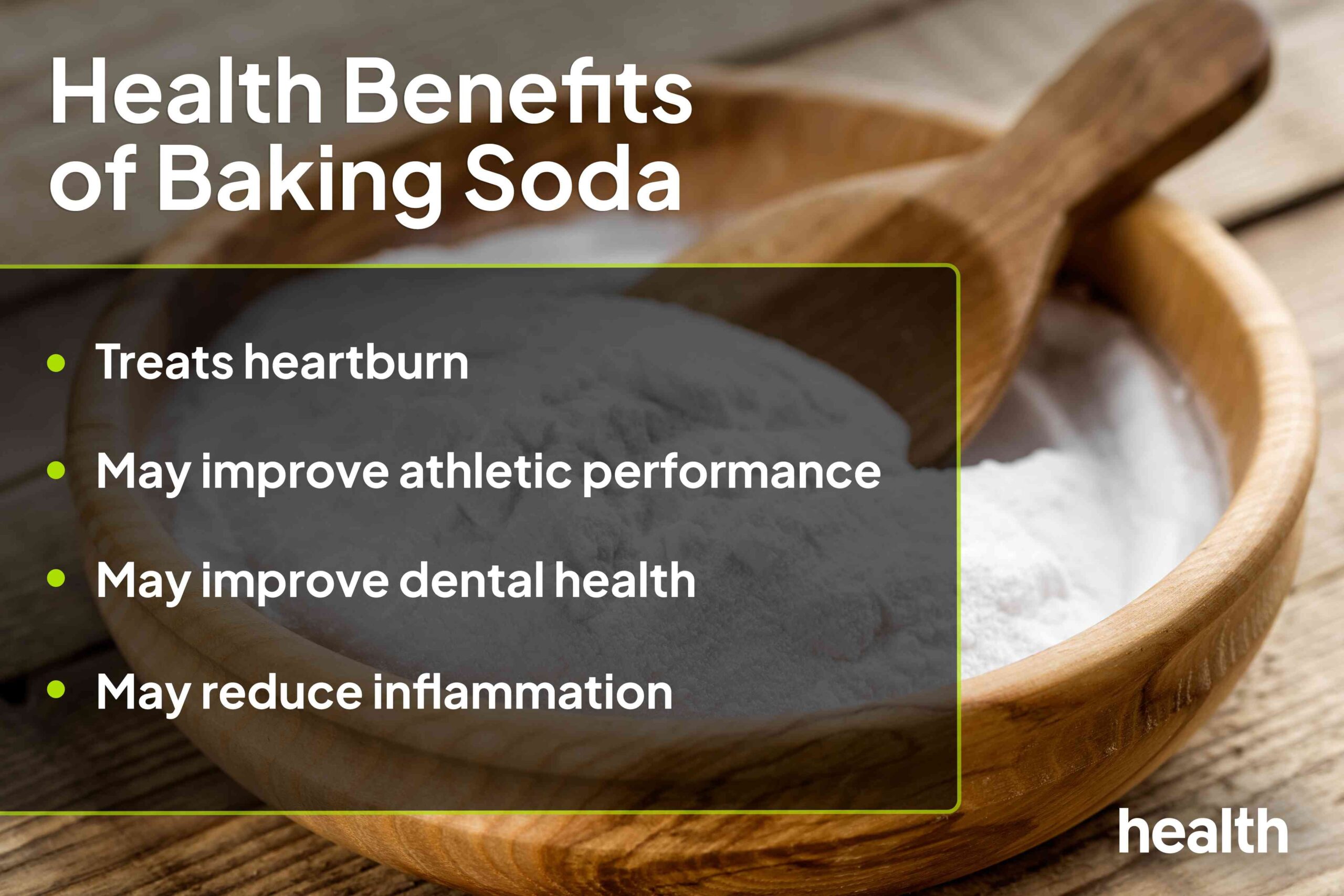
Baking soda, scientifically known as sodium bicarbonate, is a remarkably useful compound that goes far beyond its role in baking. While commonly recognized as a leavening agent, it’s also a surprisingly effective remedy for several common health concerns, and has applications ranging from athletic performance to oral hygiene. This article explores eight key benefits and everyday uses of this inexpensive household ingredient, along with important considerations for safe use.
Digestive Relief: Neutralizing Acid for Comfort
Heartburn and acid reflux are often caused by stomach acid flowing into the esophagus. Baking soda quickly neutralizes this excess acid, offering temporary relief. A half-teaspoon dissolved in water can provide immediate comfort, though pregnant individuals should avoid this method. This works because baking soda is a direct ingredient in many over-the-counter antacids.
Performance Enhancement for Athletes
Studies suggest that baking soda can boost athletic performance, especially in high-intensity activities. By reducing acidity in muscles and blood, it delays fatigue. Recommended doses range from 0.2 to 0.5 grams per kilogram of body weight 60-180 minutes before exercise. While effective, this is not a magic solution; it’s a tool that athletes may use strategically.
Kidney Health: A Targeted Treatment
Sodium bicarbonate is sometimes prescribed to people with kidney disease to combat metabolic acidosis (excess blood acidity). This treatment can slow the progression of the condition, but it’s not a preventive measure for those with healthy kidneys. The use is specific to addressing an existing medical issue.
Oral Hygiene: Beyond Fresh Breath
Baking soda’s mild abrasiveness makes it a useful addition to toothpaste, gently removing surface stains and plaque without damaging enamel. It also neutralizes acids produced by mouth bacteria, reducing discoloration and preventing cavities. Some research shows benefits for gum disease, but further studies are needed.
Inflammation Control: Early Research Shows Promise
Limited studies suggest baking soda might reduce inflammation in autoimmune disorders like rheumatoid arthritis. Drinking baking soda water may increase immune cells that fight inflammation, but more research is critical to confirm these effects. This is a promising area of investigation, but not a proven treatment.
Natural Deodorant: A Simple Alternative
Baking soda absorbs sweat and neutralizes odor-causing bacteria, making it an effective natural deodorant. It also balances skin pH, further inhibiting bacterial growth. Many natural deodorant brands include baking soda as a key ingredient.
Bug Bites & Stings: Quick Relief from Itch
A baking soda paste (1 tablespoon mixed with water) applied to insect bites can reduce pain and itching. This is a common ingredient in commercial bug bite remedies, providing localized relief.
Cancer Treatment Support: Easing Side Effects
Baking soda won’t cure cancer, but it can alleviate mouth sores caused by chemotherapy or radiation. Rinsing with a baking soda, warm water, and salt solution keeps the mouth clean and eases discomfort. Research is ongoing to see if manipulating acidity might improve cancer treatment outcomes, but results remain inconclusive.
Nutritional Considerations and Safety
One teaspoon of baking soda contains 1,260 milligrams of sodium—over half the recommended daily intake. Individuals with hypertension or kidney disease should use caution. While generally safe, overuse can cause side effects like increased thirst, gas, bloating, headaches, and metabolic imbalances. Avoid long-term use without medical supervision. Always store baking soda properly: discard opened containers after six months and keep it away from spices to prevent odor absorption.
In conclusion, baking soda is a versatile compound with a wide range of applications. From digestive relief to athletic enhancement and oral hygiene, its benefits are numerous. However, responsible use, awareness of potential side effects, and adherence to recommended guidelines are essential for maximizing its advantages while minimizing risks.