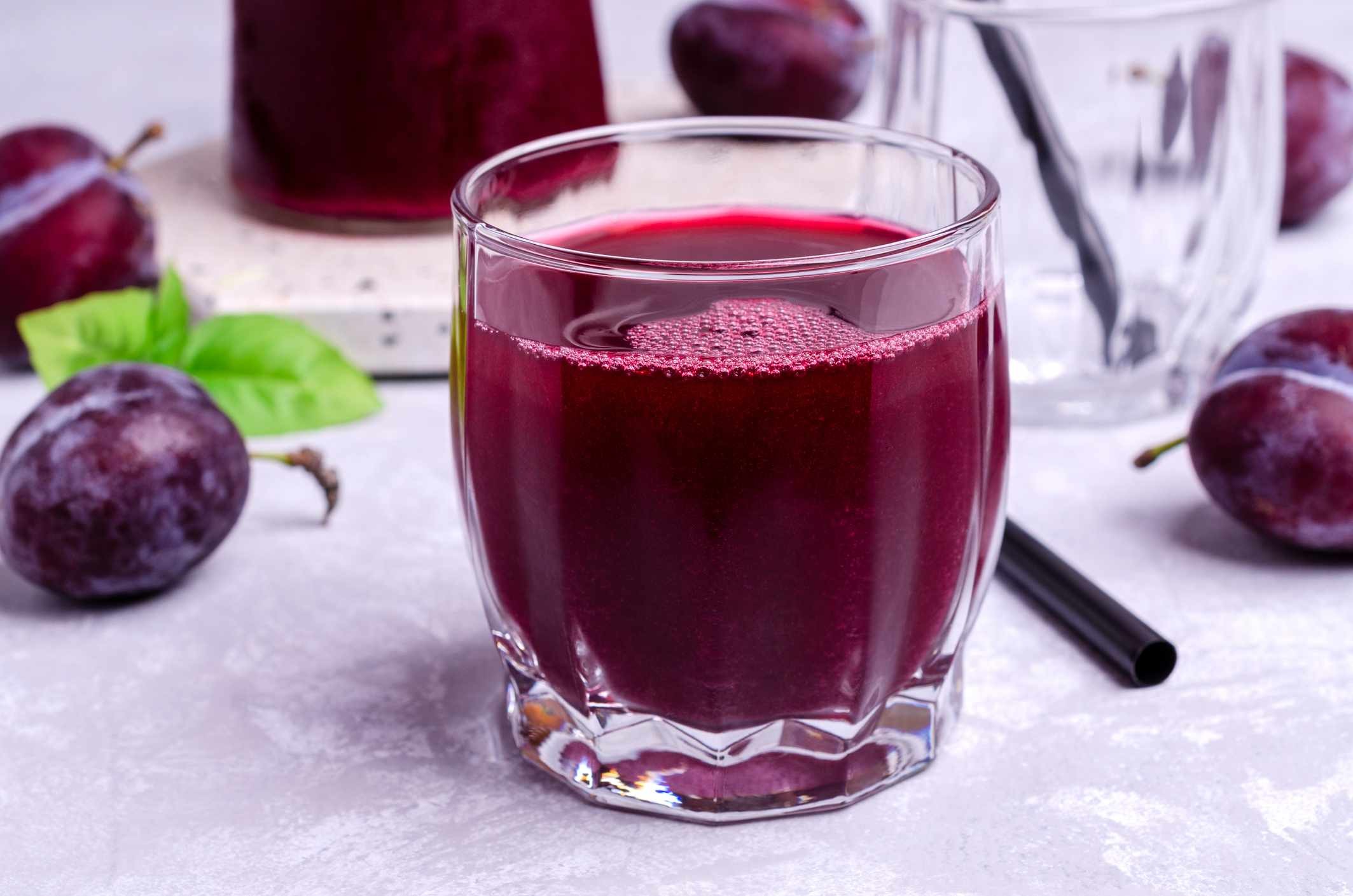
Prune juice, derived from dried plums, is more than just a remedy for digestive issues. Emerging research suggests it has broader impacts on health, from regulating blood pressure to increasing antioxidant levels. While widely recognized for its laxative properties, prune juice offers a range of nutrients and compounds that contribute to well-being.
Digestive Relief: A Natural Solution for Constipation
Prune juice is a long-standing home remedy for constipation, and for good reason. Its effectiveness stems from a combination of fiber, polyphenols, and sorbitol. Fiber adds bulk to stool, aiding movement through the digestive tract. Polyphenols support gut bacteria, while sorbitol increases water content, softening stool.
A 2022 study demonstrated that adults with chronic constipation who consumed 2 ounces of prune juice daily for eight weeks experienced a significant reduction in hard stools, with no reported adverse effects. This makes prune juice a gentle, natural alternative to harsher laxatives.
Beyond Digestion: Blood Pressure and Cholesterol
The benefits extend beyond the gut. Prunes, and by extension their juice, are rich in potassium. Potassium helps counteract the effects of sodium, a major contributor to high blood pressure. However, research on prune juice’s direct impact on blood pressure is mixed; some studies show no significant effect.
Similarly, prune juice may help lower cholesterol. Reviews of clinical trials indicate that plum supplements can decrease total and LDL (bad) cholesterol levels due to the presence of flavonoids and phenolic acids. It remains uncertain whether prune juice delivers the same benefits, but the potential is promising.
Antioxidant Power and Essential Nutrients
Prune juice is packed with antioxidants, which combat free radicals and reduce oxidative stress—a key factor in chronic disease development. It also provides vital vitamins and minerals:
- Iron: Crucial for oxygen transport in the blood.
- Potassium: Supports heart, nerve, and muscle function.
- Vitamin C: Boosts immunity and promotes healing.
- Vitamin K: Contributes to bone health.
One cup of 100% prune juice contains roughly 176 calories, 43 grams of carbohydrates, 2.5 grams of fiber, and 1.5 grams of protein.
Risks and Considerations
Prune juice is generally safe, but allergies to plums are possible. Overconsumption can cause gas or diarrhea due to its laxative effect. Start with small amounts and gradually increase intake.
The juice also contains acrylamide, a potential carcinogen formed when carbohydrates are heated. While levels are typically low, it’s a factor to consider.
Incorporating Prune Juice into Your Diet
One cup of prune juice counts as one serving of fruit, contributing to the daily recommended intake. Most adults need around two servings of fruit per day. Prune juice can be enjoyed on its own, mixed into smoothies, or used as a natural sweetener.
In conclusion, prune juice isn’t just a remedy for constipation; it’s a nutrient-rich beverage that may offer broader health benefits. While further research is needed to confirm some effects, its proven digestive support, combined with its antioxidant and mineral content, makes it a valuable addition to a balanced diet.