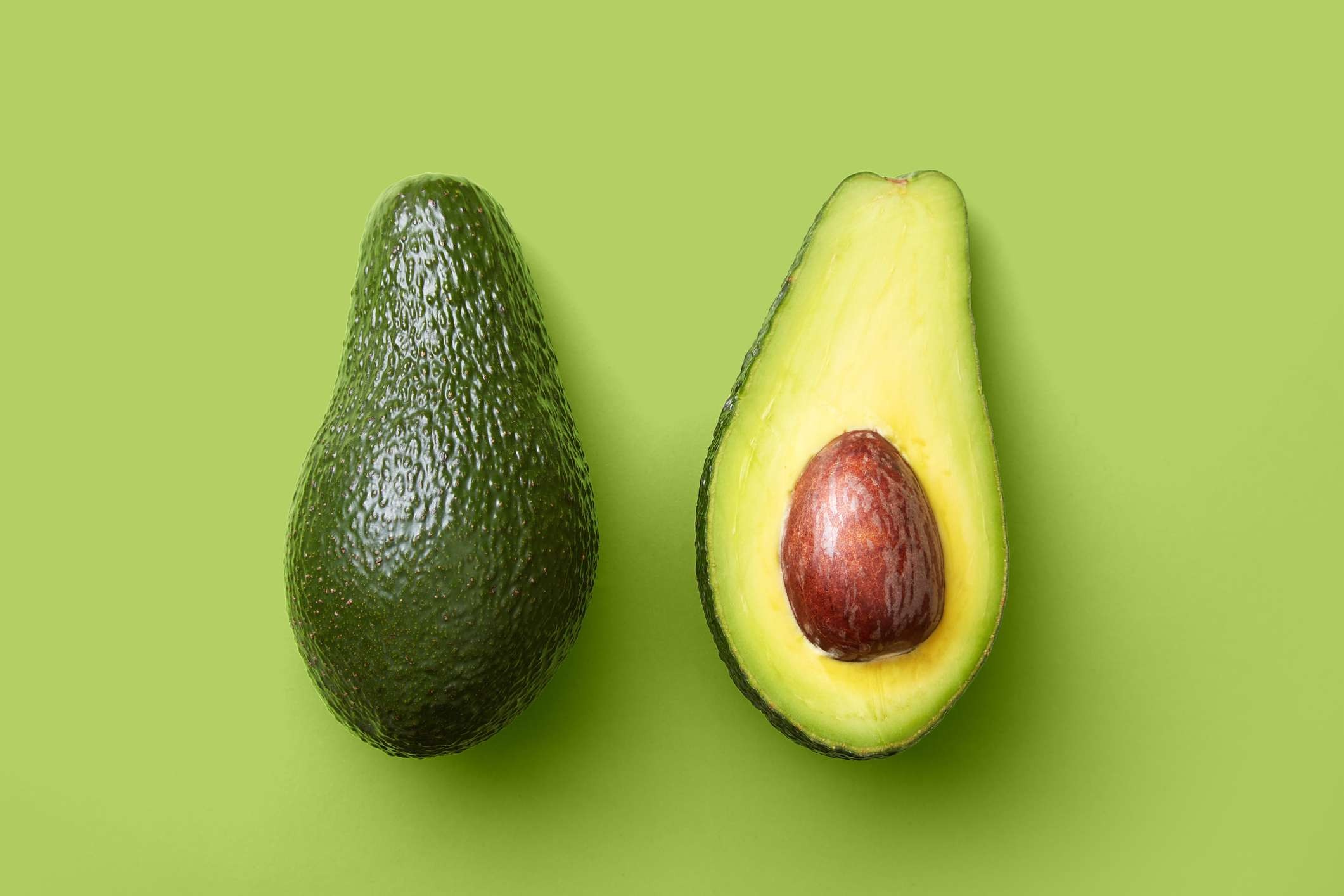
Avocados aren’t just a trendy food; they are a nutritional powerhouse with far-reaching effects on your body. Consuming avocados regularly isn’t about a passing diet fad – it’s about supporting long-term health in multiple key areas, from weight management to cognitive function.
Why Avocados Matter
Modern diets often lack the healthy fats and nutrients avocados provide. The standard Western diet tends to be low in fiber, potassium, and micronutrients while being high in processed foods and unhealthy fats. This imbalance contributes to chronic diseases like heart disease, type 2 diabetes, and obesity.
Avocados offer a potent solution because they are packed with monounsaturated fats, fiber, and essential vitamins like folate, vitamin K, and vitamin C. They also contain antioxidants, which help protect cells from damage. This isn’t just about feeling good – it’s about reducing the risk of serious health problems.
How Avocados Impact Your Body
1. Sustained Fullness and Weight Management: The combination of healthy fats and fiber in avocados slows digestion, keeping you full longer and reducing cravings. This isn’t just about feeling less hungry; it’s about regulating appetite naturally. Studies show that adding half an avocado to a meal can extend satiety for up to five hours.
2. Improved Heart Health: Avocados are rich in potassium, which helps lower blood pressure, and monounsaturated fats, which reduce LDL (“bad”) cholesterol while increasing HDL (“good”) cholesterol. A balanced diet with avocados supports a healthier cardiovascular system.
3. Diabetes Complications Reduction: For individuals with type 2 diabetes or insulin resistance, avocados can help stabilize blood sugar levels by slowing glucose spikes after meals. They also combat visceral fat, a major risk factor for the disease.
4. Enhanced Nutrient Absorption: Avocados don’t just provide nutrients; they help you absorb more nutrients from other foods. Pairing avocados with tomato sauce or carrots boosts vitamin A absorption, improving skin, vision, and immunity.
5. Gut Health and Immunity: Avocados support a healthy gut microbiome, the trillions of microorganisms in your digestive tract. A balanced gut strengthens immune function, reduces inflammation, and guards against chronic diseases.
6. Sharper Cognitive Function: Avocados contain lutein, a phytochemical found in the brain and eyes. Research suggests that consuming one avocado daily can improve memory test performance in older adults.
7. Eye Health Protection: Lutein and zeaxanthin, antioxidants found in avocados, protect your eyes from age-related vision decline. Eating avocados can increase macular pigment density, enhancing visual acuity.
8. Potential Cancer-Fighting Properties: Avocado extracts have shown promise in laboratory studies for stopping cancer cell growth, specifically in prostate and oral cancers. While more research is needed, the antioxidant content suggests a potential protective effect.
Nutritional Breakdown (Per Large Avocado)
- Calories: 322
- Protein: 4g
- Carbohydrates: 17g
- Fiber: 13g (half the recommended daily amount)
- Folate: 163 mcg (40% DV)
- Vitamin K: 42 mcg (30% DV)
- Vitamin C: 20mg (20% DV)
- Potassium: 975mg (almost 30% DV)
- Magnesium: 58mg (almost 20% DV)
Easy Ways to Incorporate Avocados
Adding avocados to your diet is simple:
- Smash on whole-grain toast
- Slice into sandwiches or burgers
- Dice into tacos or salads
- Whip into smoothies
- Use as a butter substitute in baking
Avocados aren’t just a superfood; they are a practical, accessible way to improve your overall health. Making them a regular part of your diet can yield significant long-term benefits, from weight management and heart health to cognitive function and immunity.