When your child has a cold or allergies, sinus congestion can be painful and worrying. While the instinct to seek antibiotics is strong, most sinus issues in children are caused by viruses, which don’t respond to these medications. Pediatricians agree: waiting a few days to see if symptoms improve on their own is often as effective as a prescription—and avoids unnecessary antibiotic use.
This guide focuses on proven home remedies to ease your child’s discomfort while their immune system fights off the infection. It also explains when to seek professional medical help.
Why Antibiotics Often Aren’t the Answer
Parents often assume thick, yellow nasal discharge means a bacterial infection, but that’s rarely the case. Overuse of antibiotics contributes to antibiotic-resistant germs, making future infections harder to treat. The American Academy of Pediatrics (AAP) recommends a “wait-and-see” approach in many cases. Over-the-counter decongestants are also largely ineffective and should be avoided in children under six.
7 Effective Home Remedies
These methods won’t cure the infection, but they can provide much-needed relief:
-
Warm Steam Showers: Steam loosens mucus and eases congestion. A warm shower is safer than leaning over boiling water. Alternatively, apply a warm, damp washcloth to your child’s face.
-
Essential Oils (With Caution): While not scientifically proven, eucalyptus oil can help some children breathe easier. Never apply essential oils directly to the skin. Instead, place a few drops on cotton and hold it near their nose. Lavender can also add a calming effect.
-
Nasal Irrigation: Using a sterilized saltwater solution to flush out nasal passages can reduce congestion. Many children dislike neti pots, so saline spray bottles or eyedroppers are gentler alternatives.
-
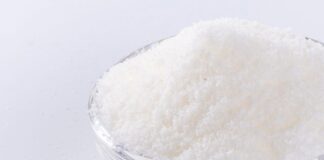
DIY Saline Solution: Mix 1 cup distilled (or boiled and cooled) water with 3 teaspoons of noniodized salt and 1 teaspoon of baking soda.
-
Nose Strips (For Older Kids): Though effectiveness varies, some older children find relief from external nasal strips.
-
Diet and Hydration: A healthy diet and sufficient water intake boost the immune system and keep sinuses lubricated. Encourage water over sugary drinks, especially at school or day care.
-
Warm Washcloths: Gently apply a warm compress to your child’s face to help loosen congestion.
-
Essential Oils: A few drops of eucalyptus or lavender oil on a cotton ball held near the nose can provide temporary relief.
When to See a Doctor
While home remedies can help, certain situations require medical attention:
- Symptoms persist beyond 10 days.
- High fever accompanies sinus pain and thick, green discharge.
- Symptoms worsen rapidly.
In these cases, antibiotics may be appropriate.
The Bottom Line
For most childhood sinus infections, patience and simple home remedies are the best approach. Avoid unnecessary antibiotics and over-the-counter medications. If symptoms don’t improve within a reasonable timeframe, or if they worsen, consult your pediatrician.
Sources: American Academy of Pediatrics, Pediatric Respiratory Reviews, BMJ, UCLA Health, U.S. Food and Drug Administration, Cleveland Clinic.