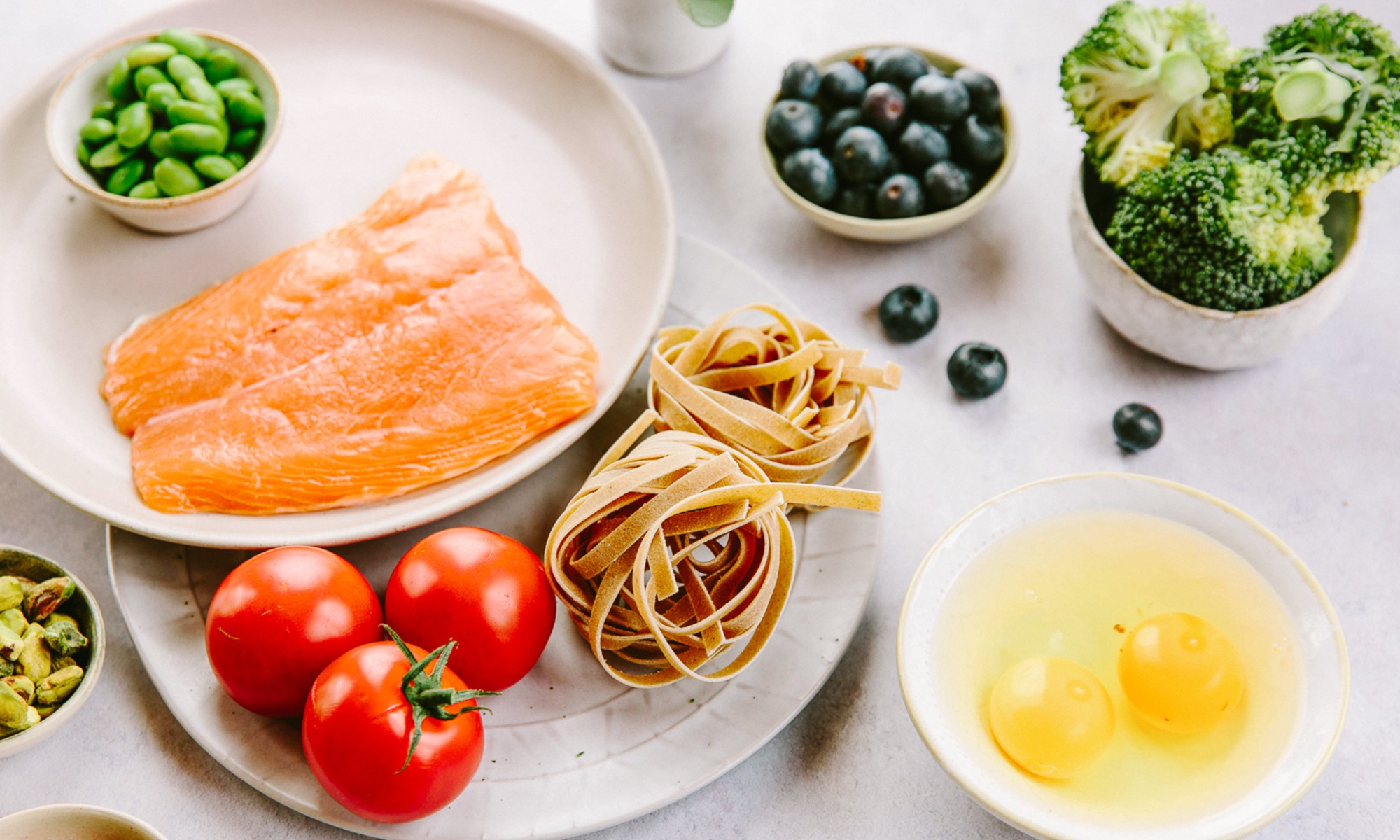
We are fed a diet of blueberries. Omega-3s. Spinach.
The internet says these things are magic bullets for your mind.
It’s mostly true, but not entirely. A new narrative review published in Nutrients argues the story is messier than any infographic can hold. The foods that actually matter for cognitive health don’t stay static. They shift. Sometimes radically. Depending on exactly when you were born, and when you died, and where you are right now.
Researchers looked at eight main buckets of food. Dairy, eggs, seafood, lean meats. Berries. Leafy greens. Nuts. Whole grains.
The results break the idea of one universal “brain diet.”
What they read
It was a structured hunt through existing literature. The goal was simple: track whole-food consumption against cognitive outcomes from the womb to old age.
54 studies survived the cut. Most were empirical, tracking specific foods. Some were conceptual broad-sweepers.
The authors focused on real food. Not pills. Not isolated powders. They looked at animal sources and plant sources side-by-side. Both provide distinct biochemical parts needed for brain function, just in different ratios.
The biggest finding is a handed-off baton. Animal products win the early races. Plants win the late ones.
Early life is meat and eggs
In the first 1,001 days and into childhood, animal products were linked to faster brain development. Fewer delays.
Eggs specifically. Supplementation in young infants spiked levels of choline. Betaine. Methionine. DHA.
These aren’t just nice-to-have nutrients. They build structure.
Kids who ate eggs regularly showed lower odds of communication delays. Motor skill issues. Social development hiccups.
Then there was the meat. Primary school kids who got meat supplementation showed significantly bigger jumps in non-verbal reasoning than controls.
Seafood was murkier. The evidence for brain benefits from fish in childhood and adolescence was thin.
Dairy was complicated. If kids already got enough nutrients, adding dairy didn’t help much. But if they got too much protein or dairy as infants, behavior and development could take a hit.
Except for one outlier: school-age children given milk and high-energy biscuits saw improvements in literacy, numeracy, and general cognition.
The plant switch
Puberty changes things.
By adolescence, plant foods moved to the front of the line. Berries and walnuts improved executive function. The ability to plan. To focus.
Higher whole grain intake showed links to less anxiety and depression.
When the body slows down, so does the diet. In older adults, the protectors are leafy greens. Nuts. Berries.
Eating just one to two servings of greens a day was tied to cognitive performance equivalent to being roughly 11 years younger than your biological age.
Fish still mattered, too. Eating up to 150g daily reduced dementia risk. But dairy? Still mixed. Yogurt was the bright spot in observational data there.
Why it shifts
Bioavailability is the short answer.
Eggs. Meat. Dairy.
They supply choline. Iron. Vitamin B12. Complete proteins.
These come in highly absorbable packages. They are essential for building myelin. Forming synapses. Producing neurotransmitters.
Plant foods lack some of these essential amino acids entirely. During fetal development, a shortage in just one amino acid can derail protein synthesis. You can’t fix a broken bridge with only half the materials.
But the brain stops building so rapidly as it matures.
It starts defending itself.
That’s where flavanols come in. Found in berries, dark chocolate. Other plants. They are antioxidants. Polyphenols.
They reduce oxidative stress. Inflammation.
These two things drive cognitive decline. Omega-3s help here too, supporting plasticity and dampening inflammation. Too much saturated fat? Bad for vascular pathways.
This is why diets like the MIND pattern work. They aren’t about single foods. They are patterns.
What to actually eat
No rigid rules. But patterns exist.
Early Life
Prioritize the choline-rich options. Eggs stand out. Lean meat provides the bioavailable iron and B12 that are hard to squeeze from plants alone at this fragile stage.
Childhood to Teens
Protein is still king, but bring the berries to the party. Walnuts are linked to faster reaction times in school-age kids.
Adulthood
Shift to plants. Berries, leafy greens. Walnuts. Whole grains. Fatty fish remains a cornerstone for mood and cognition.
Old Age
One to two servings of daily leafy greens. Nuts regularly. Berries several times a week.
An integrative neurologist notes these choices carry real weight. Long-term cognitive resilience is built here.
The brain’s nutritional needs don’t freeze in time. They evolve.
Animal food for the foundation. Plants for the defense.
Maybe that’s enough of a rule. Maybe it’s just another way to say: eat the rainbow, but respect the timeline. 🥦🧠