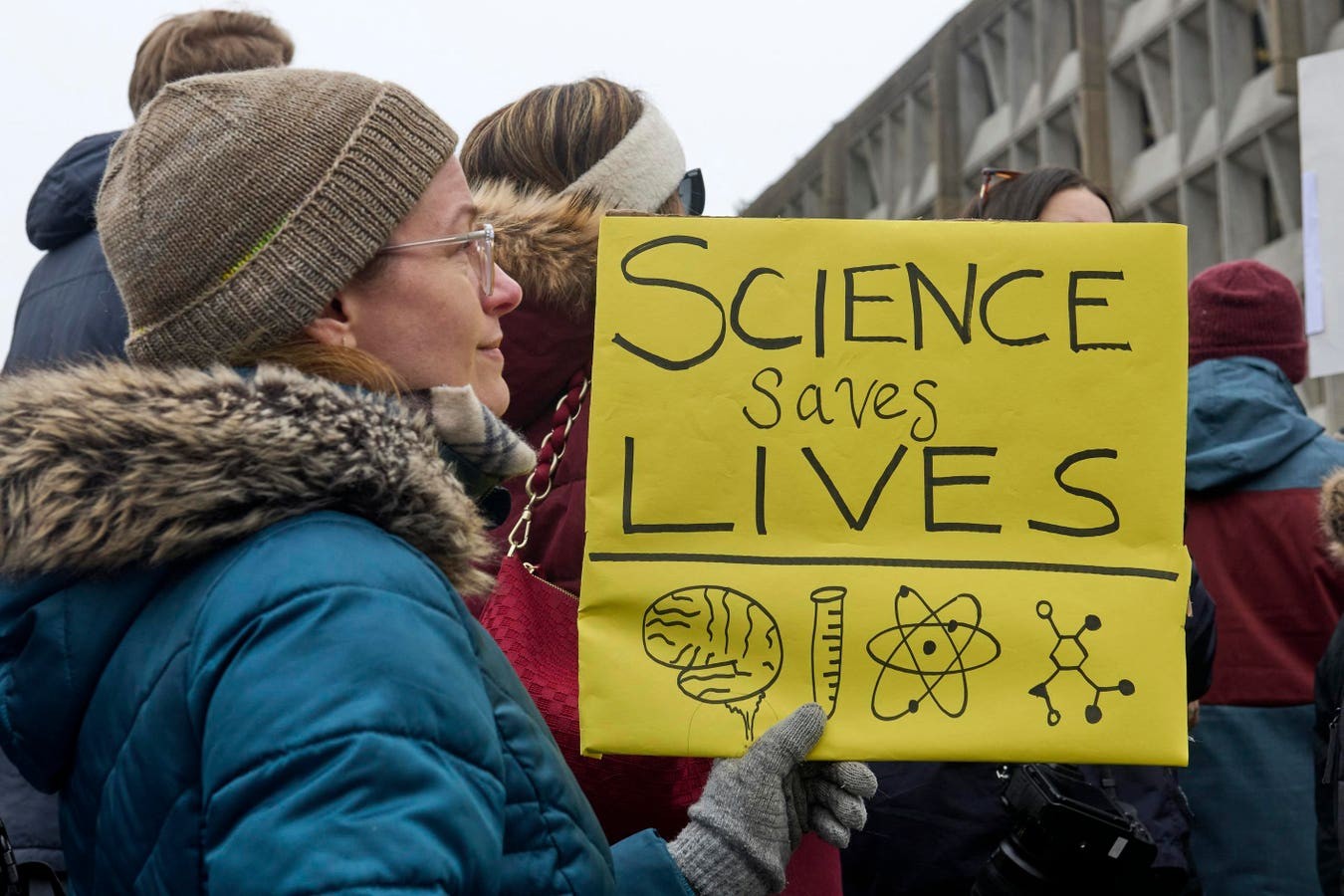
The National Institutes of Health (NIH) has quietly updated its grant terms, making it simpler for the agency to terminate research funding at any time. This change, implemented via an “Updated Terms and Conditions of Awards” notice on November 18, 2025, introduces new ambiguity into the grant process, potentially destabilizing long-term research projects and discouraging high-risk, high-reward scientific inquiry.
The New Terms: Vagueness as a Tool
Historically, NIH grants could be withdrawn for fraud, non-compliance, or demonstrably poor scientific output. The recent update, however, introduces a new level of discretion. NIH now reserves the right to terminate funding if a project “no longer effectuates the program goals or agency priorities.” The term “effectuate” – meaning “to bring about” – is deliberately vague and rarely used outside bureaucratic contexts. This ambiguity, coupled with undefined “program goals,” gives administrators broad latitude to justify funding cuts.
The change is formalized by incorporating this language directly into grant awards. The 2 C.F.R. § 200.340 previously restricted unilateral terminations unless explicitly included in the grant agreement. Now, the NIH is ensuring this termination clause is standard across all new and renewal awards, effectively bypassing legal safeguards.
Why This Matters: Instability in Research
This shift in policy is not just procedural; it introduces significant risk for researchers. Scientific projects, especially those with long-term timelines, require stability. Investigators need to hire personnel, secure resources, and pursue complex lines of inquiry without the constant threat of arbitrary funding cuts. The new terms undermine this stability, creating a climate of uncertainty.
The Trump administration has already demonstrated a willingness to terminate grants based on shifting political priorities. The vagueness in the new policy expands this power, potentially allowing for funding cuts based on subjective interpretations of “program goals.” This could disincentivize researchers from pursuing controversial or politically unpopular, yet scientifically valuable, projects.
Implications for Scientific Integrity
The consequences extend beyond immediate funding losses. Increased instability discourages long-term investment in research careers. Talented scientists may leave the field entirely, accelerating a brain drain already affecting the U.S. A lack of funding security forces researchers to prioritize short-term, “safe” projects over groundbreaking but risky investigations. This could stifle innovation and ultimately harm public health by delaying critical discoveries.
The move also raises concerns about the politicization of science. When funding decisions are subject to arbitrary administrative discretion, research agendas become vulnerable to political influence rather than scientific merit. This erodes the integrity of the research process and undermines public trust in evidence-based policy.
The Long-Term Outlook
The NIH’s new terms effectively shift the power dynamic in favor of the agency, granting it greater control over research funding. This change will likely lead to increased instability, decreased innovation, and a further erosion of trust in the U.S. scientific enterprise. Unless challenged through legal action or policy reversal, this decision could have far-reaching consequences for medical research, public health, and the future of American science.