For individuals living with Crohn’s disease, managing inflammation is a daily challenge. This includes carefully considering dietary choices, as certain foods can exacerbate symptoms. One area of particular concern is sugar: refined sugars are pro-inflammatory and can worsen gastrointestinal distress. However, eliminating sweetness entirely isn’t necessary; several alternatives can offer flavor without triggering flare-ups.
Why Sugar Matters in Crohn’s Disease
Crohn’s disease is an inflammatory bowel disease, meaning the digestive system becomes chronically inflamed. Added sugars, especially refined ones, contribute to this inflammation. Certain sugars are categorized as FODMAPs (fermentable oligosaccharides, disaccharides, monosaccharides, and polyols), which are poorly absorbed by the gut. This leads to increased water retention, rapid bacterial fermentation, and symptoms like gas, bloating, pain, and diarrhea.
Furthermore, excessive sugar intake can disrupt the gut microbiome, creating an imbalance (dysbiosis) that compromises intestinal permeability. This allows toxins and harmful bacteria to enter the bloodstream, potentially worsening Crohn’s symptoms such as abdominal pain, cramping, diarrhea, and chronic fatigue.
Healthier Sweetener Alternatives
Fortunately, numerous alternatives exist that are easier on the gut. Here are some options:
-
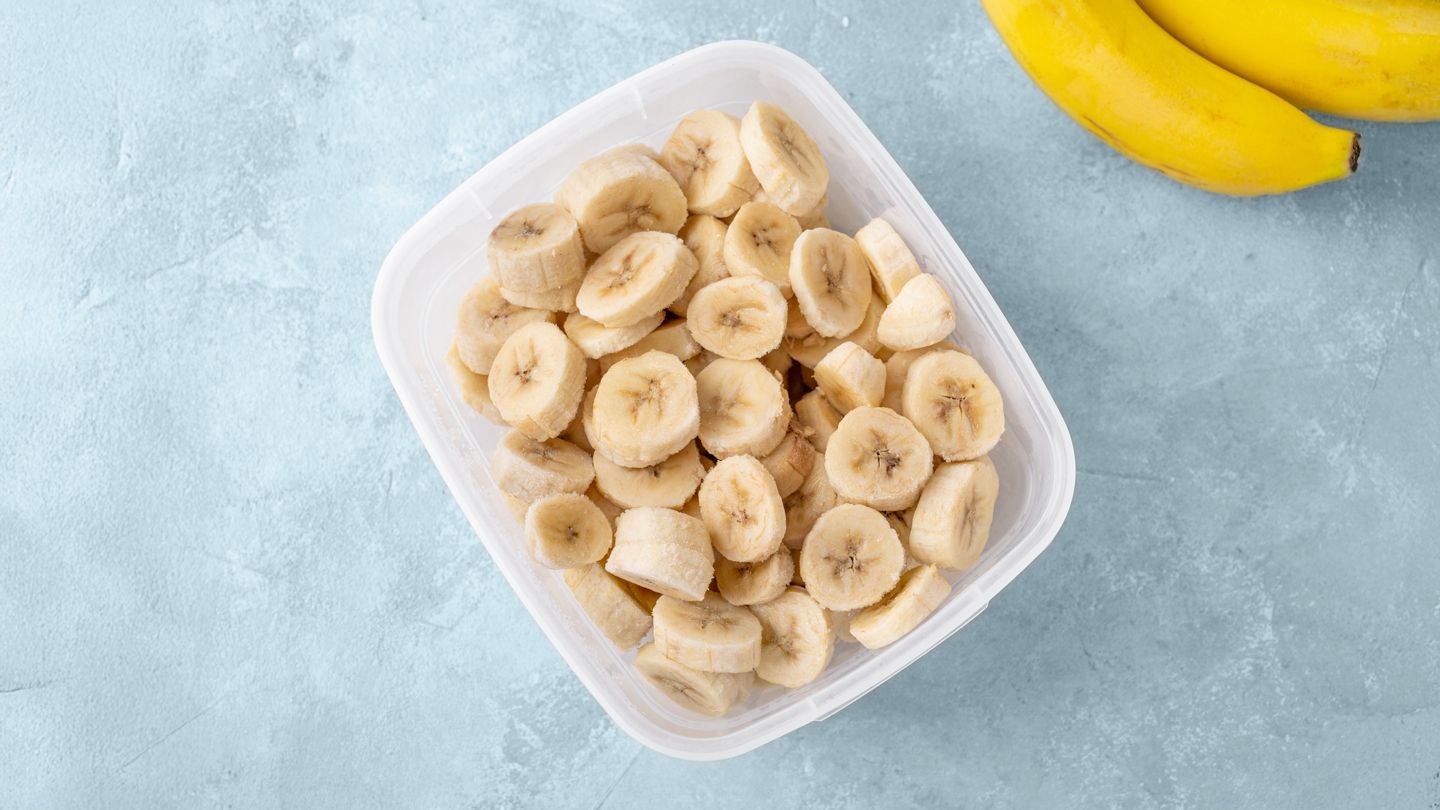
Fruit: A natural source of sweetness paired with essential nutrients like fiber, vitamins, and antioxidants. Frozen bananas blended into “nice cream” (a dairy-free ice cream alternative) is an excellent choice. Adding berries or peanut butter further enhances flavor while maintaining gut health.
-
Artificial Sweeteners (in moderation): Options like aspartame, acesulfame potassium, sucralose, and others can provide intense sweetness with minimal calories. While some studies raise concerns about cancer risk, regulatory bodies like the FDA deem them safe within reasonable limits. People with Crohn’s should limit intake to about one tablespoon or less per day, as they may still disrupt gut bacteria and inflammation.
-
Maple Syrup: Derived from sugar maple trees, pure maple syrup offers more nutritional value than refined sugar, containing vitamins, minerals, and potential antioxidant properties. It’s a better choice when used sparingly.
-
Molasses: A byproduct of sugar cane processing, molasses is rich in iron, calcium, magnesium, and potassium. Like maple syrup, it should be consumed in moderation due to its sugar content.
-
Cinnamon: While not intensely sweet on its own, cinnamon adds flavor and may combat inflammation, though more research is needed.
-
Monk Fruit: A plant-based extract that is 100 to 250 times sweeter than sugar, making it ideal for baking and cooking.
-
Nutritional Supplement Shakes: If a sweet craving hits, a nutrient-rich shake can be a better alternative to traditional sweets. Choose brands low in added sugars and artificial sweeteners.
Seeking Expert Guidance
A registered dietitian specializing in inflammatory bowel disease can provide personalized recommendations and creative ways to enjoy sweets while managing Crohn’s symptoms. Many insurance plans cover dietitian services, making professional guidance accessible.
The key to managing Crohn’s disease through diet is balance: avoiding inflammatory triggers while still allowing for occasional enjoyment of sweeter foods.
Ultimately, making informed choices about sweeteners can significantly improve quality of life for individuals with Crohn’s disease. By opting for gut-friendly alternatives and seeking expert guidance, it’s possible to satisfy cravings without worsening inflammation.