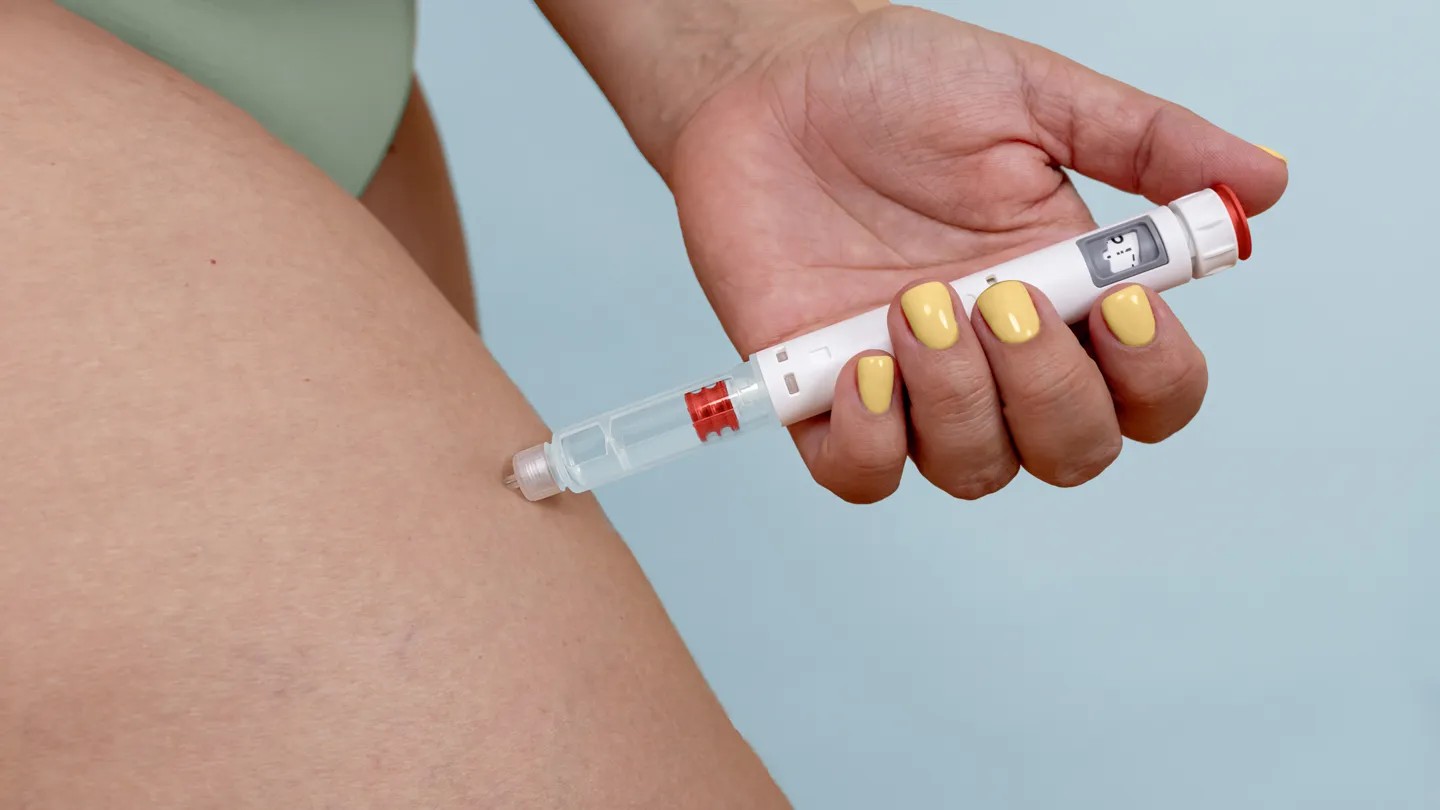
Millions with rheumatoid arthritis (RA) rely on injectable medications to control their condition, and many of these treatments are designed for safe, at-home administration. While the idea of self-injecting can be daunting, proper training and a few simple techniques make it a manageable part of RA treatment for most people. This guide provides clear, actionable advice to help you confidently manage your RA injections.
Understanding the Process: It’s Simpler Than You Think
The needles used for RA medications are short and thin, designed to deliver drugs just under the skin. Unlike muscle injections or vaccinations, these subcutaneous injections typically cause only mild discomfort. Many patients describe the experience as “much less scary than what they’ve built up in their mind.”
Key point: The fear of the unknown is often the biggest barrier, but proper preparation and a realistic understanding of the process can eliminate much of that anxiety.
Preparing for Self-Injection: Hands-On Training is Crucial
Before administering injections at home, healthcare professionals—typically nurses—provide hands-on training. This includes practicing with a demonstration device before using the actual medication.
Why this matters: Effective training ensures patients understand the correct technique, reducing errors and maximizing comfort. Many patients find the first injection surprisingly easy, realizing their initial fears were unfounded.
Choosing the Right Device: Accommodating Hand Limitations
RA medications come in two main forms: auto-injector pens and syringes. For individuals with hand pain, stiffness, or limited grip strength, auto-injectors are often the easier option.
The bottom line: Selecting the right device can make a significant difference in comfort and convenience. If fine motor skills are an issue, auto-injectors are generally preferred.
Injection Technique: Step-by-Step Guidance
- Clean the injection site: Use an alcohol swab and let it dry.
- Temperature matters: Allow refrigerated medication to sit at room temperature for about 30 minutes before injecting to minimize discomfort.
- Modern formulations are gentler: Most RA injections are now citrate-free, reducing the burning sensation some patients experienced in the past.
- Consider numbing the area: Icing the site for five minutes beforehand can further reduce discomfort.
- Follow instructions carefully: Administer the medication as directed by your healthcare team.
Rotation and Tracking: Maintaining Skin Health and Consistency
Rotate injection sites to avoid bruising, tenderness, and skin irritation. Your healthcare provider will guide you on appropriate areas, such as the thighs or abdomen. Always use a different spot each time, at least an inch from the previous injection.
Important: Track your doses to ensure you stay on schedule. Use a calendar, phone reminders, or medication apps to avoid missed injections. Consistency is key to effective treatment.
Troubleshooting and Safety: Addressing Potential Issues
- Injector malfunction: If the device doesn’t click, ensure it’s properly positioned against the skin.
- Premature removal: Avoid pulling the injector away too quickly, as this can cause medication to spray out.
- Storage disruptions: If refrigeration is compromised (e.g., during a power outage), contact your doctor immediately for replacement options.
- Disposal: Use sharps containers to safely dispose of used needles and auto-injectors.
When to Seek Help: Don’t Struggle Alone
Contact your healthcare team if you experience repeated difficulty with injections, miss a dose, notice unusual reactions, or feel overwhelmed.
Final thought: Rheumatoid arthritis injections are a powerful tool for managing your condition, but they require proper technique and attention to detail. If you struggle, reach out for support; your care team is there to help.