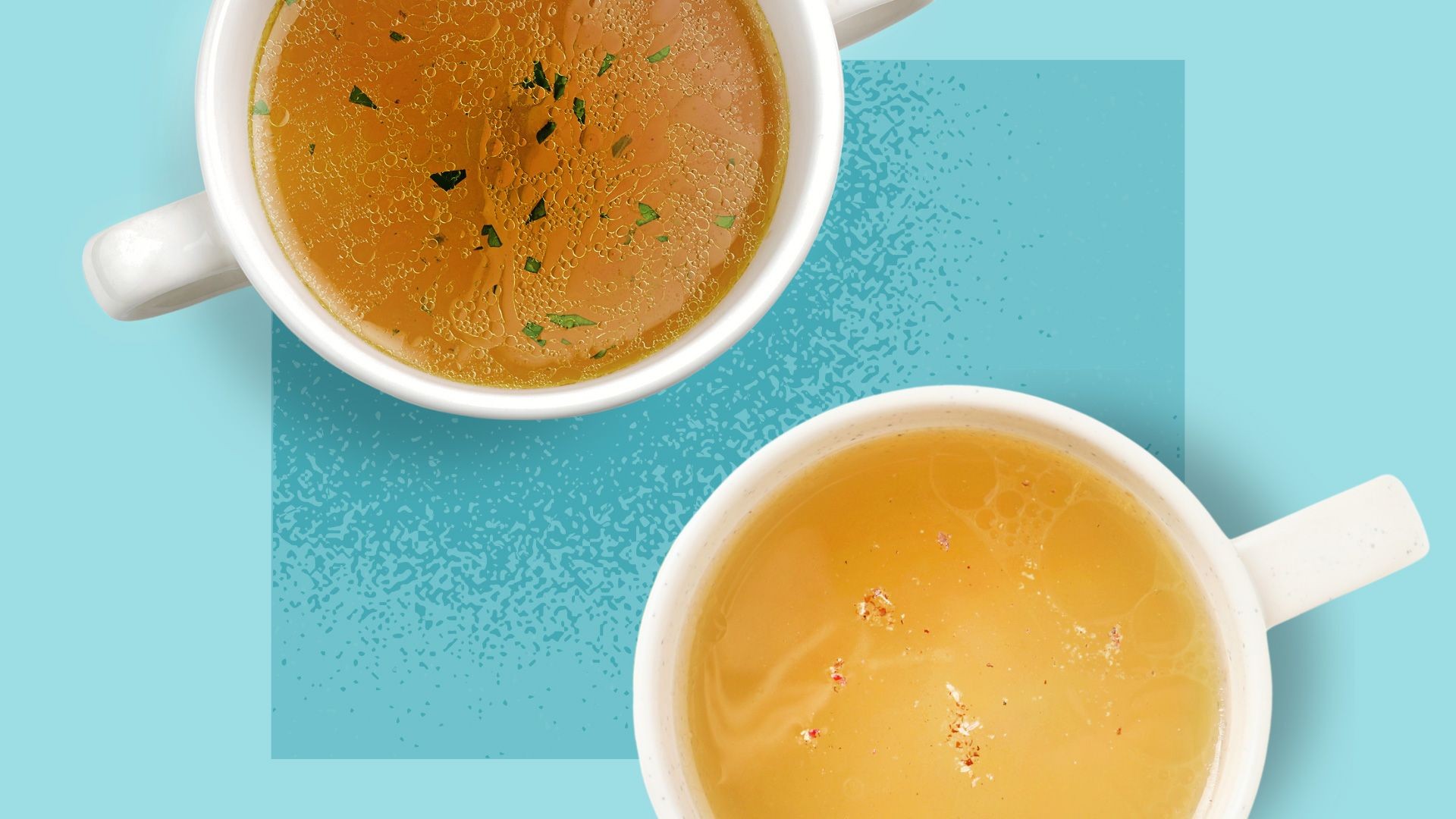
For generations, chicken broth has been a kitchen staple. However, bone broth has surged in popularity as a superfood, especially with the rise of diets like paleo. While both are made with similar ingredients – vegetables like onions, celery, and carrots – their nutritional profiles differ significantly.
What Sets Them Apart?
The key distinction lies in how they’re made. Bone broth is simmered for extended periods (up to 24 hours or more), extracting nutrients from animal bones. This process releases collagen, calcium, phosphorus, and amino acids into the liquid. Chicken broth, on the other hand, uses meat and sometimes bones, cooked for a shorter duration. As a result, it contains fewer of these compounds.
The Nutritional Edge of Bone Broth
The long simmering time of bone broth is critical. Collagen, a primary benefit, is linked to improved skin elasticity and joint health, although research on direct benefits from consuming collagen remains limited. Bone broth also delivers amino acids like glutamine and arginine, which studies suggest may reduce inflammation and support gut health.
If buying pre-made bone broth, look for a gel-like texture when refrigerated – a sign of collagen content. Making it at home guarantees the maximum nutrient extraction.
Chicken Broth: Still Valuable, But Lighter
Chicken broth is hydrating and provides essential vitamins, minerals, and protein. It’s also easier to digest due to its lighter composition. However, it simply doesn’t pack the same nutritional punch as bone broth. It’s quicker to make, making it a convenient option when time is short.
Nutritional Breakdown (Per 1 Cup)
Here’s a side-by-side comparison of commercially available options:
| Nutrient | Bone Broth | Chicken Broth |
|---|---|---|
| Calories | 41 | 39 |
| Fat | 0 g | 1.39 g |
| Protein | 9 g | 4.93 g |
| Carbohydrates | 0 g | 0.93 g |
| Sodium | 350 mg | 747 mg |
Conclusion
Bone broth offers a more nutrient-dense option, particularly for those seeking collagen, calcium, and amino acids. While chicken broth remains a healthy choice, its benefits are less pronounced. Ultimately, both can be incorporated into a balanced diet, with bone broth providing a stronger nutritional advantage.