A bland diet isn’t about tasteless suffering; it’s a strategic approach to easing gastrointestinal (GI) discomfort. When your digestive system is stressed – whether from overeating, illness, or a chronic condition – certain foods can aggravate symptoms like nausea, bloating, and diarrhea. A bland diet simplifies things: easy-to-digest carbohydrates, lean proteins, and minimal seasoning. This isn’t a long-term lifestyle, but a temporary tool for recovery.
Why Choose Bland? The Gut’s Perspective
Your gut needs a break sometimes. Stress from travel, spicy meals, or underlying conditions like Crohn’s disease or ulcers can overwhelm the digestive process. A bland diet reduces irritation by minimizing fiber, fat, and strong flavors. Doctors often recommend it temporarily to allow healing, but it’s crucial to balance it to avoid nutritional deficiencies.
Benefits Beyond Relief: When Bland Makes Sense
The primary benefit is clear: soothing an upset stomach. But bland diets are also used after GI surgery or during acute illnesses. Reducing digestive workload allows the body to focus on recovery. For pregnant women battling morning sickness, a bland diet can offer a tolerable eating option. However, prolonged adherence requires careful planning to prevent deficiencies.
The “Yes” List: Foods to Eat on a Bland Diet
The core principle is simplicity.
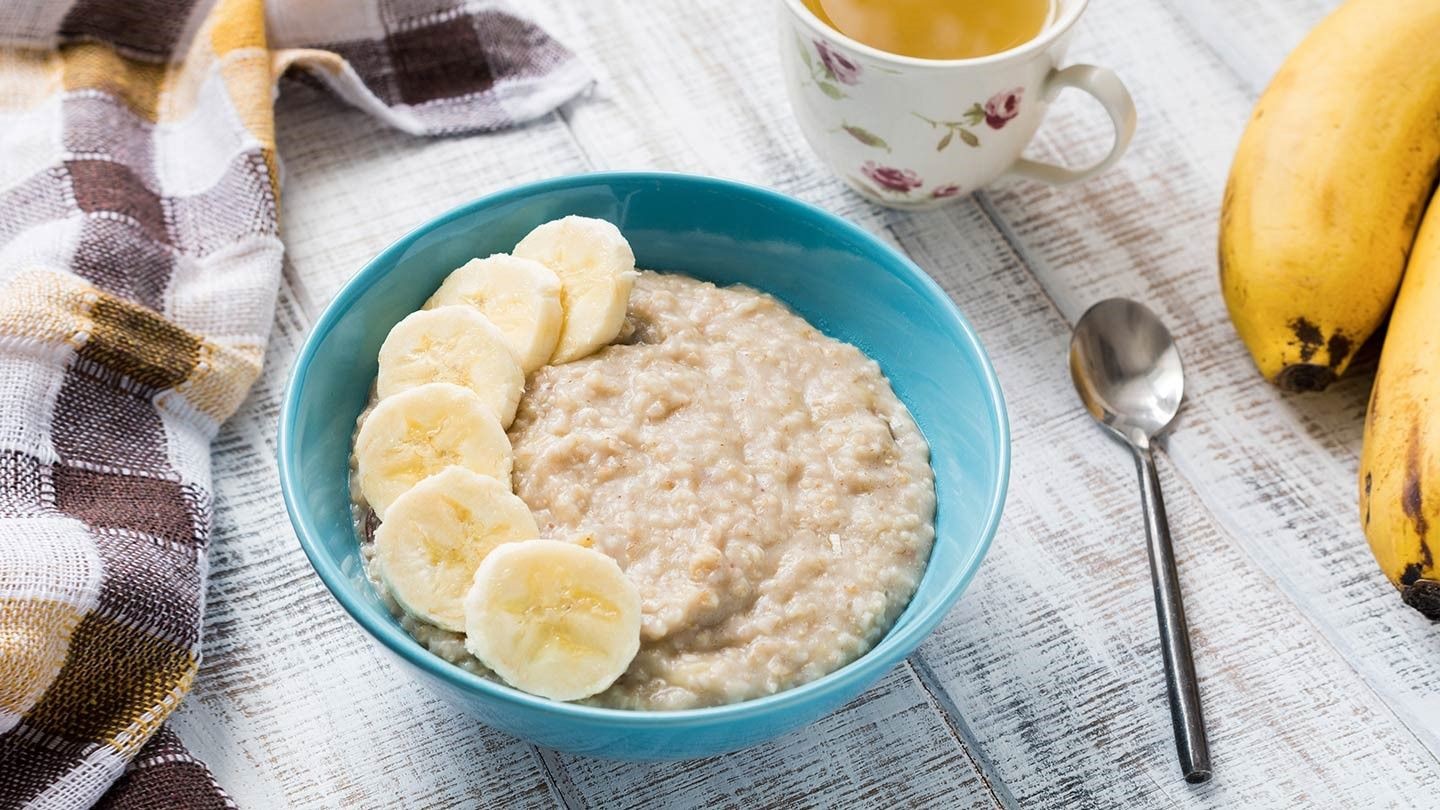
- Grains: White bread, white rice, crackers, and quick-cook oatmeal. Refined grains are easier to break down than whole grains.
- Dairy: Low-fat or fat-free milk, yogurt, cottage cheese, and mild cheeses like mozzarella. Fat content can slow digestion.
- Protein: Eggs, lean chicken, fish, tofu, and creamy peanut butter. Cooked gently, without strong spices.
- Vegetables: Cooked spinach, carrots, acorn squash, and pumpkin. Raw vegetables are harder to digest.
- Fruits: Bananas, applesauce, melons, and canned fruits. Avoid acidic options like oranges or grapefruit.
The “No” List: Foods to Avoid
Spices, fried foods, alcohol, caffeine, and high-fiber options are off-limits. Cruciferous vegetables (broccoli, cabbage) and raw produce can exacerbate symptoms. Whole grains, spicy seasonings, and fatty meats will only add to the irritation.
Potential Pitfalls: Nutrient Deficiencies and Long-Term Use
While effective short-term, bland diets aren’t nutritionally complete. Prolonged use can lead to deficiencies in calcium, vitamin B12, and fiber. If your doctor recommends a long-term bland diet, discuss strategies to supplement missing nutrients.
The Bottom Line
A bland diet is a powerful tool for managing digestive distress, but it’s not a permanent solution. Used strategically under medical guidance, it can provide relief and support healing. Remember to prioritize balance and consult a healthcare professional if symptoms persist or if you’re considering long-term adherence.
Editorial Sources:
Everyday Health follows strict sourcing guidelines to ensure the accuracy of its content, outlined in our editorial policy. We use only trustworthy sources, including peer-reviewed studies, board-certified medical experts, patients with lived experience, and information from top institutions.
Resources:
- Bland Diet. MedlinePlus. May 4, 2024.
- Bland or BRAT Diet — What It Is. Memorial Sloan Kettering Cancer Center.
- Overeating. Mayo Clinic. February 7, 2023.
- Daley SF et al. Therapeutic Diets for the Management of Gastrointestinal Conditions and Preoperative and Postoperative Care. StatPearls. August 9, 2025.