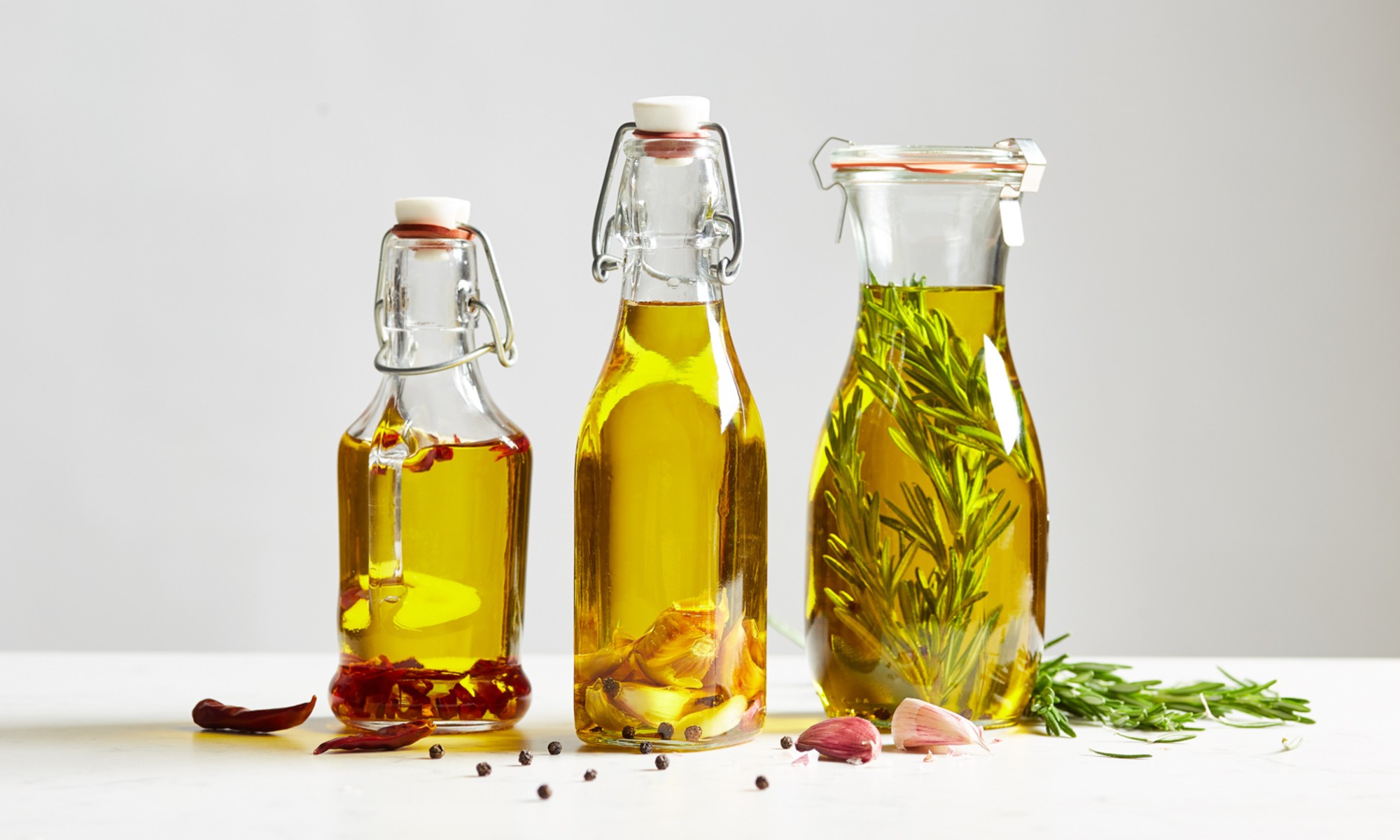
Cooking oils are a staple in most kitchens, but choosing the right one can be confusing. The debate between olive oil and vegetable oil is ongoing, with claims about health benefits and proper usage often shifting. This article breaks down the key differences between the two, explaining why olive oil generally emerges as the better choice for health-conscious consumers.
What Are Olive Oil and Vegetable Oil?
Olive oil is extracted from olives, the fruit of the olive tree. The quality varies significantly based on how it’s processed. Extra-virgin olive oil is produced through mechanical means (crushing and pressing) without heat or chemicals, preserving its natural nutrients. Other types, labeled as “pure” or “light,” undergo refining with heat and solvents, diminishing their health value.
Vegetable oil is a broader category, often made from seeds (soybean, canola/rapeseed, corn, sunflower) rather than actual vegetables. These oils are heavily refined using chemical extraction (often with hexane) and further processed through bleaching and deodorizing to create a neutral, shelf-stable product.
Health Benefits: Olive Oil’s Edge
Olive oil, particularly extra-virgin, is rich in monounsaturated fats (MUFAs), specifically oleic acid. MUFAs reduce inflammation, lower bad cholesterol (LDL), raise good cholesterol (HDL), and may even lower blood pressure. These benefits are supported by extensive research linking olive oil consumption to a reduced risk of heart disease, stroke, and certain cancers.
Beyond fats, olive oil contains bioactive compounds like phenols and phytosterols, potent antioxidants that protect cells from damage. These compounds contribute to long-term health, potentially reducing chronic disease risk.
Vegetable oils provide unsaturated fats, which are better than saturated fats but often come with an imbalance of omega-6 to omega-3 fatty acids. The typical Western diet already has excessive omega-6s, which can promote inflammation if not balanced with omega-3s.
Nutritional Breakdown
Here’s a quick comparison per tablespoon:
Olive Oil: 119 calories, 13.5g total fat (9.86g MUFA, 1.86g saturated, 1.42g polyunsaturated), 1.94mg Vitamin E.
Vegetable Oil: 120 calories, 13.6g total fat (3.09g MUFA, 2.08g saturated, 6.84g polyunsaturated), 1.11mg Vitamin E.
While the numbers are similar, the type of fat matters more than the quantity. Olive oil’s higher MUFA content and antioxidant profile make it nutritionally superior.
Smoke Point and Cooking Uses
Smoke point is the temperature at which oil breaks down, releasing harmful compounds.
- Extra-virgin olive oil: 350-410°F (medium heat cooking)
- Refined olive oil: 390-470°F (higher heat cooking)
- Vegetable oil: 400°F (suitable for frying)
For high-heat cooking like deep frying, vegetable oil’s higher smoke point makes it more practical. However, for sautéing, pan-frying, or drizzling on salads, olive oil is the better choice. Using extra-virgin olive oil at moderate temperatures actually provides more stability than other oils due to its antioxidant content.
Taste and Cost
Olive oil has a distinct flavor profile—herby, fruity, or buttery—depending on the variety. Refined olive oils are more neutral but may still retain some olive notes. Vegetable oil is nearly flavorless, making it versatile in baking where you don’t want competing tastes.
Olive oil is generally more expensive than vegetable oil, especially high-quality extra-virgin varieties. If budget is a concern, refined olive oil or avocado oil (a neutral, healthy alternative) can be considered.
Which Oil Should You Choose?
In most cases, olive oil is the superior choice. Its health benefits, flavor, and stability at moderate temperatures outweigh the cost difference. Vegetable oil is acceptable for high-heat cooking, but should not be a primary oil in a healthy diet.
Here’s a quick guide:
- Baking: Vegetable oil for neutral flavor; olive oil can be used, but will impart a slight taste.
- Frying: Vegetable oil for deep frying due to higher smoke point; olive oil for pan-frying.
- Sautéing: Olive oil is the healthier, flavorful option.
- Dressings/Finishing: Olive oil, especially extra-virgin, for maximum flavor and antioxidants.
Ultimately, the best oil depends on your cooking method and priorities. But for overall health and flavor, olive oil stands out as the clear winner.