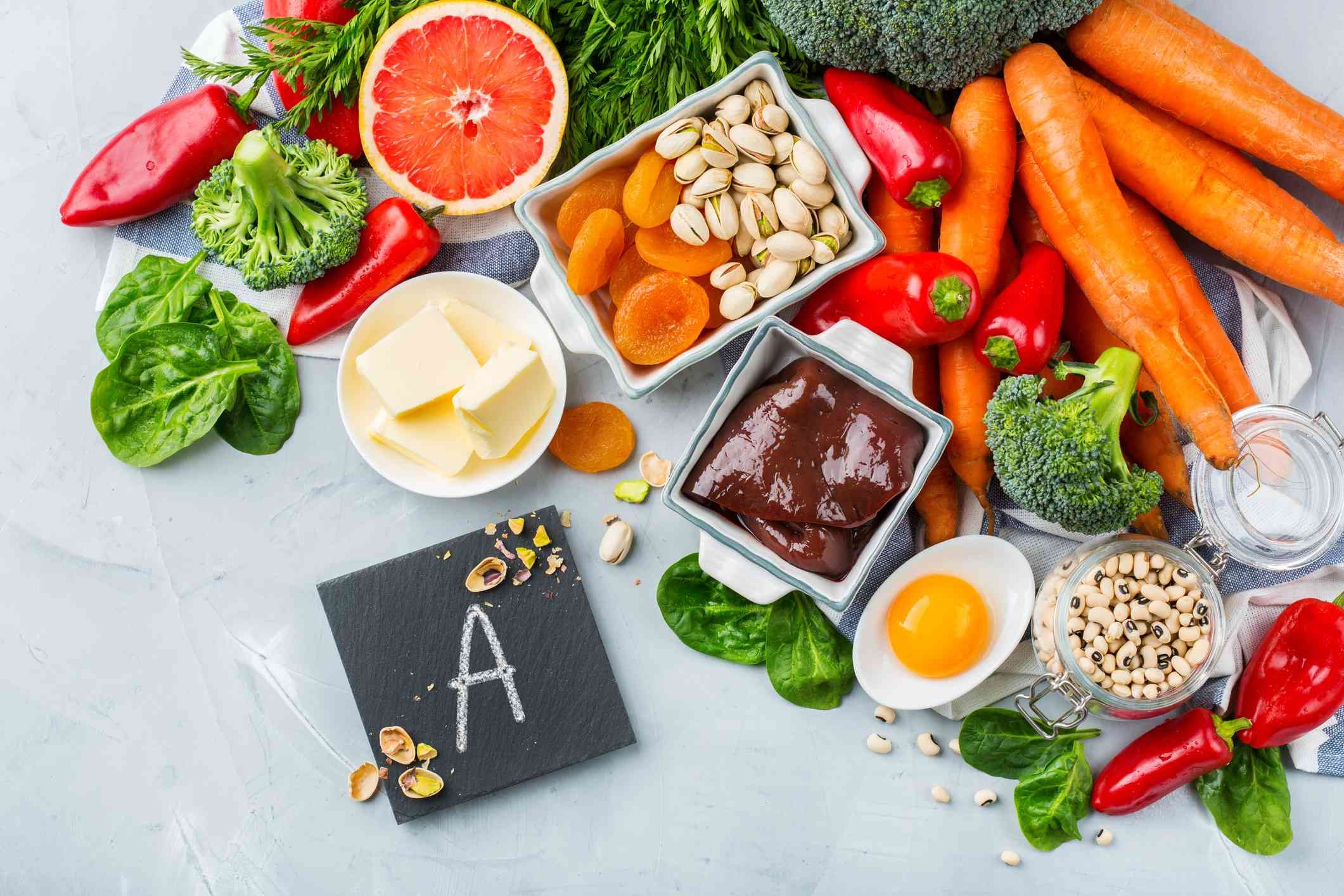
Vitamin A is an essential nutrient vital for vision, immune function, and healthy bone growth. While often associated with carrots, a wide range of foods can deliver significant amounts of this crucial vitamin. Here’s a breakdown of the best sources, how much you need, and what to keep in mind when incorporating them into your diet.
1. Powerhouse Vegetables
Orange and yellow vegetables, alongside leafy greens, are packed with vitamin A in the form of beta-carotene, which the body converts into usable vitamin A.
- Sweet Potato: A single baked sweet potato provides a massive 156% of the Daily Value (DV) (1,403 mcg RAE).
- Spinach: Half a cup of boiled frozen spinach delivers 64% of the DV (573 mcg RAE).
- Carrots: Half a cup of raw carrots contains 51% of the DV (459 mcg RAE).
- Sweet Red Peppers: Half a cup offers 13% of the DV (117 mcg RAE).
These vegetables aren’t just about vitamin A. They’re also rich in fiber, supporting digestive health and blood sugar control.
2. Flavorful Fruits
Fruits like cantaloupe and mango are excellent sources of beta-carotene.
- Cantaloupe: Half a cup provides 15% of the DV (135 mcg RAE).
- Mango: One whole mango contains 12% of the DV (112 mcg RAE).
Fruits deliver additional benefits, including fiber and a range of vitamins for a balanced diet.
3. Dairy: A Convenient Source
Dairy products, particularly those fortified with vitamin A, can significantly contribute to your intake.
- Fat-Free Milk: One cup with added vitamins provides 17% of the DV (149 mcg RAE).
- Butter: A single tablespoon has 11% of the DV (97 mcg RAE).
- Cheese: Cheddar (1 oz) and Ricotta (½ cup) both provide roughly 11–15% of the DV (95–133 mcg RAE).
While dairy is rich in calcium for bone health, it’s important to be mindful of saturated fat content. Opt for low-fat or fat-free options when possible.
4. Eggs: A Versatile Option
Egg yolks contain a moderate amount of vitamin A, alongside complete protein. One large egg delivers 7% of the DV (75 mcg RAE).
5. Organ Meats: The Highest Concentration
Organ meats, especially liver, are by far the most concentrated sources of vitamin A.
- Beef Liver: Three ounces provide an astonishing 731% of the DV (6,582 mcg RAE).
- Lamb Liver: Similar to beef liver, offering 734% of the DV (6,610 mcg RAE).
Though nutrient-dense, organ meats are also high in saturated fat and should be consumed in moderation.
6. Fortified Foods: A Targeted Approach
Some foods are fortified with vitamin A to enhance their nutritional value. Fortified breakfast cereals can provide 10% of the DV (90 mcg RAE) per serving.
7. Fatty Fish: Omega-3s and Vitamin A
Fatty fish are an excellent source of protein, omega-3 fatty acids, and vitamin A.
- Cod Liver Oil: Just one tablespoon delivers a massive 453% of the DV (4,080 mcg RAE).
- Bluefin Tuna: Three ounces offer 71% of the DV (643 mcg RAE).
- Herring: Three ounces contain 24% of the DV (219 mcg RAE).
Aim for at least 8 ounces of fish per week for optimal health benefits.
8. Legumes: A Plant-Based Boost
Black-eyed peas are among the legumes with a notable vitamin A content. One cup provides 7% of the DV (66 mcg RAE). They also deliver plant-based protein.
Understanding Your Vitamin A Needs
Vitamin A comes in two primary forms: preformed (animal sources) and provitamin A (plant sources). Daily recommendations vary, but adequate intake is crucial for vision, immunity, and growth.
Consuming a balanced diet rich in these foods can ensure you meet your vitamin A requirements and support overall health. However, excessive intake from supplements or liver can lead to toxicity, so moderation is key.