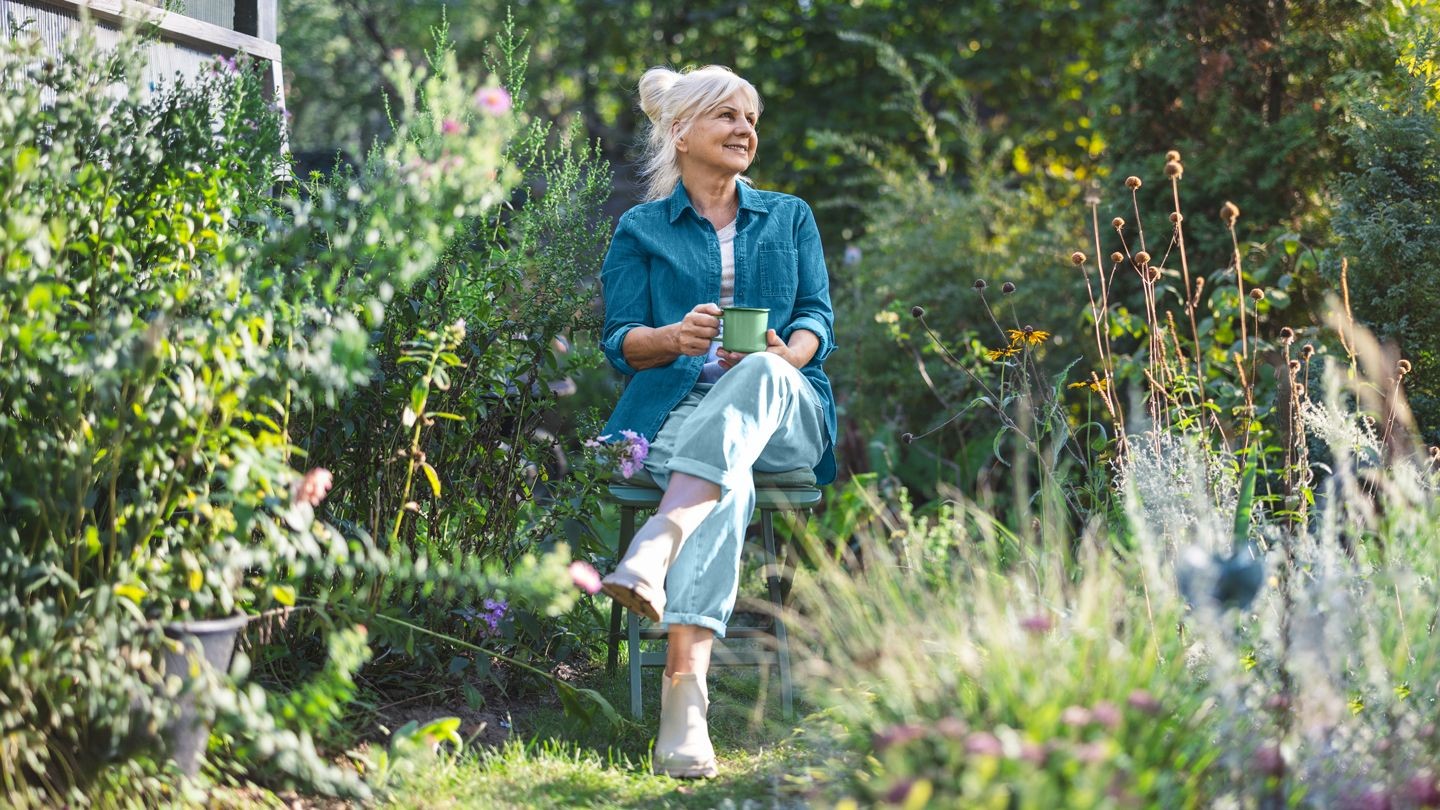
For many living with Rheumatoid Arthritis (RA), the world can start to feel small. Chronic pain, persistent fatigue, and limited mobility often lead to a sedentary lifestyle and social isolation. However, emerging research suggests that stepping outside might be more than just a pleasant change of scenery—it could be a vital tool for managing the disease.
While nature doesn’t cure RA, its ability to lower stress and inflammation offers a powerful way to break the cycle of pain and fatigue.
The Science: Breaking the Stress-Inflammation Cycle
To understand why nature helps, it is essential to understand how RA behaves. RA is an autoimmune condition where the body’s immune system attacks its own joints and tissues, causing systemic inflammation.
There is a biological “vicious cycle” at play here:
1. Stress triggers the release of cortisol (the body’s primary stress hormone).
2. Chronically high cortisol levels can trigger or worsen inflammation.
3. Inflammation leads to an RA flare (pain, swelling, and fatigue).
4. The flare causes more stress, restarting the cycle.
“Spending time in nature can help people with rheumatoid arthritis by reducing stress, which in turn reduces inflammation and pain,” explains Trevor Petrie, an occupational therapist specializing in RA.
By immersing yourself in natural environments, you can lower cortisol levels, calm overactive pain nerves, and potentially reduce the frequency or intensity of flares.
The Multi-Faceted Benefits of the Great Outdoors
Beyond the biological impact on inflammation, spending time in nature offers a holistic range of benefits:
- Mental Health Support: RA is often linked to depression and low self-esteem. Nature provides a mental reset, reducing anxiety and improving overall mood.
- Physical Vitality: Gentle outdoor movement—like walking or swimming—can improve cardiovascular health, lung function, and weight management.
- Vitamin D Synthesis: Sun exposure helps the body produce Vitamin D, which is crucial for both bone health and mood regulation.
- Improved Sleep: Natural light exposure helps regulate your circadian rhythm, while physical activity can lead to deeper, more restorative sleep.
- Social Connection & Identity: Nature provides a backdrop for social activities (like gardening clubs or walking groups), helping to combat the isolation common with RA. It also allows you to reclaim an identity beyond your diagnosis—transitioning from “a patient” to “a gardener” or “a hiker.”
Navigating the Barriers
While the benefits are clear, the practical reality of RA can make getting outside difficult. Recognizing these hurdles is the first step toward overcoming them:
- Fatigue: Roughly 74% of people with RA experience regular fatigue; the energy required to “get ready” can feel overwhelming.
- Mobility & Terrain: Uneven paths, rocks, or steep hills can be daunting if joint pain is high.
- Grip & Fine Motor Control: Using hiking poles, bike handles, or gardening tools can be difficult if RA affects the hands.
- Environmental Sensitivity: Many RA patients experience heat intolerance or increased pain due to cold and damp weather.
Practical Strategies for Success
You don’t need to climb a mountain to reap the rewards. The goal is consistency and adaptation.
1. Start Small
If a trek feels too big, start in your own backyard or take a short stroll around the block. Even 20 minutes of exposure can improve your mood and reduce inflammation.
2. Use the Right Gear
Invest in tools that offset your symptoms:
– Stability: Trekking poles or walking sticks.
– Support: Orthopedic braces, compression sleeves, or supportive footwear.
– Comfort: Portable seating for when you need to rest.
3. Tailor Activities to Your Symptoms
Choose activities based on which joints are currently most affected:
– If hands/fingers are the issue: Opt for walking or bird-watching.
– If knees/hips are the issue: Consider paddling or swimming, which reduces weight-bearing stress.
– Low-impact options: Tai chi, yoga, gardening, or even “forest bathing” (simply sitting and observing nature).
4. Find Accessible Spaces
Don’t guess—plan. Use resources like AllTrails (which allows you to filter for wheelchair-friendly paths), National Park Service websites, or local municipal park departments to find paved, level, or accessible routes.
Conclusion
Nature acts as a natural regulator for the body, helping to dampen the stress response that fuels RA inflammation. By pacing yourself and choosing activities that respect your current mobility levels, you can use the outdoors as a way to improve both your physical resilience and your mental well-being.