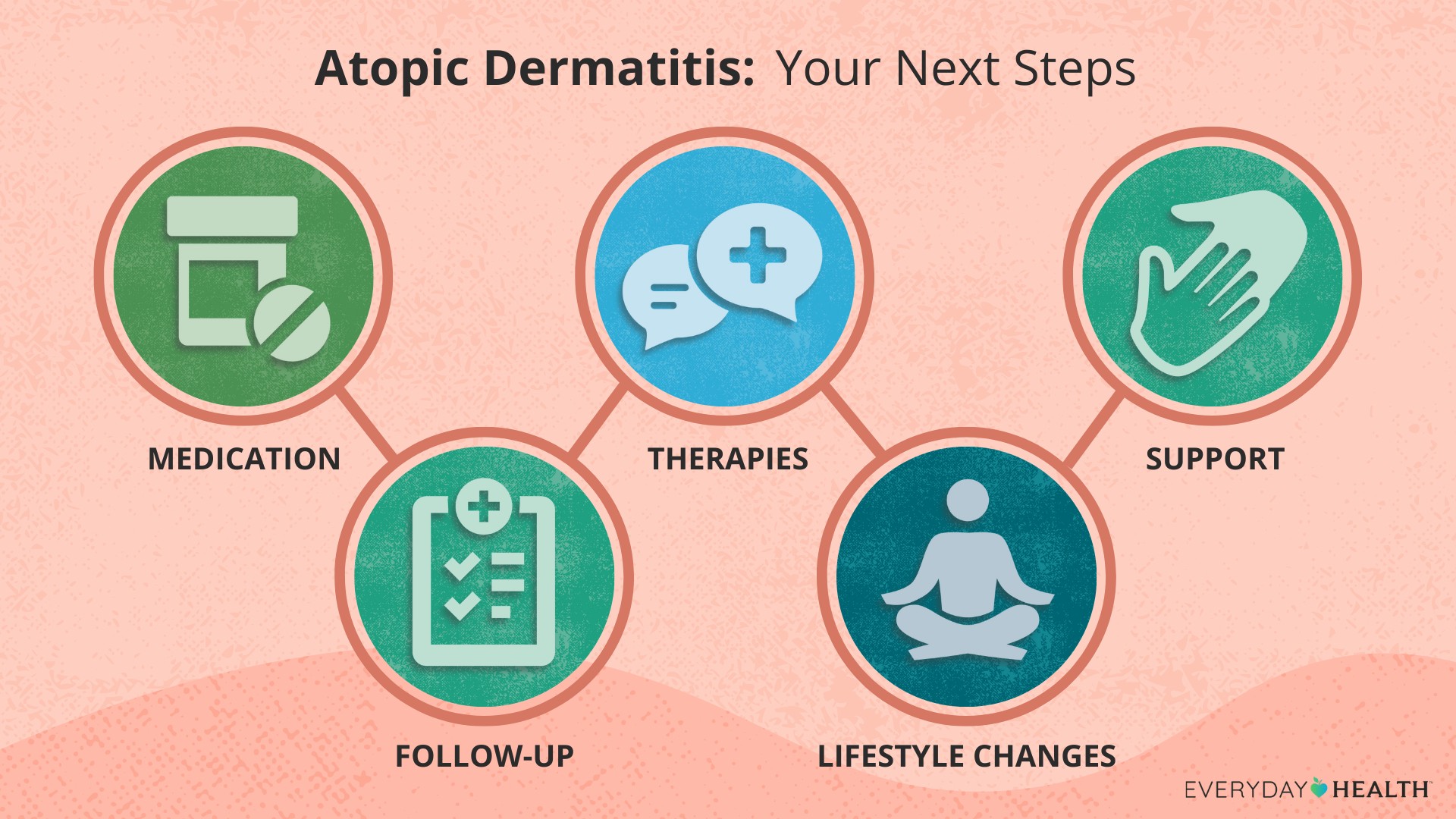
Atopic dermatitis, the most common form of eczema, is a chronic skin condition affecting millions. Characterized by inflamed, itchy rashes or dry, scaly patches, it can appear at any age but often begins in childhood. The condition isn’t merely cosmetic; it significantly impacts quality of life, disrupting sleep, and sometimes leading to secondary infections. Crucially, while there’s no cure, effective management is possible with the right approach.
What Causes Atopic Dermatitis?
Atopic dermatitis isn’t caused by a single factor. Genetics play a role, as do immune system dysfunctions. The skin barrier is compromised, leading to moisture loss and increased sensitivity to irritants and allergens. These triggers vary between individuals, ranging from certain fabrics to extreme weather, harsh soaps, and even stress. The condition frequently co-occurs with asthma and allergies, suggesting a broader systemic link.
Recognizing the Symptoms
Symptoms manifest differently in each person. Common signs include:
- Intense itching, often leading to scratching
- Dry, cracked, or scaly skin
- Rashes that can appear red, pink, dark brown, gray, or purple depending on skin tone
- Oozing or crusting in severe cases
Flare-ups can be unpredictable, with periods of remission followed by sudden worsening. Ignoring symptoms can lead to infection, making early intervention critical.
Treatment Options: From Topical to Systemic
Effective management relies on a multi-pronged approach. Treatments include:
- Topical Corticosteroids: Reduce inflammation but long-term use can have side effects.
- Non-Steroidal Topicals (PDE4 inhibitors, calcineurin inhibitors, JAK inhibitors, aryl hydrocarbon receptor agonists): Safer for prolonged use, especially on sensitive areas.
- Antibiotics/Antivirals/Antifungals: Used to treat secondary infections.
- Systemic Therapies (Biologics, Oral Immunosuppressants): Reserved for severe cases, these suppress the immune system.
- Phototherapy (UVB light therapy): Effective for widespread inflammation.
The choice of treatment depends on severity and individual response. Working with a board-certified dermatologist is essential for personalized care.
Lifestyle Adjustments for Relief
Beyond medication, several lifestyle changes can significantly reduce flare-ups:
- Bleach Baths: Diluted bleach can kill bacteria and reduce inflammation (consult a doctor first).
- Wet Wrap Therapy: Applying moisturizer and medication, then wrapping the area in damp gauze, enhances absorption.
- Moisturizing: Frequent use of fragrance-free emollients restores skin barrier function.
- Lukewarm Baths: Hot water dries the skin; keep baths short and pat dry.
- Avoid Triggers: Identify and minimize exposure to allergens, irritants, and harsh fabrics.
- Stress Management: Emotional stress can exacerbate symptoms; explore relaxation techniques.
When to Seek Medical Attention
Don’t delay if:
- Symptoms worsen despite self-care.
- Infections develop (pus, yellow scabs).
- Flare-ups disrupt daily life.
- Mental health is affected (anxiety, depression).
Resources and Support
Organizations like the National Eczema Association, the American Academy of Dermatology, and the Cleveland Clinic offer valuable information and support networks. Remember: you’re not alone in managing this condition.
Atopic dermatitis is a complex condition, but with proper diagnosis, treatment, and lifestyle adjustments, you can significantly improve your quality of life. Seeking professional guidance and actively managing triggers are the cornerstones of long-term relief.