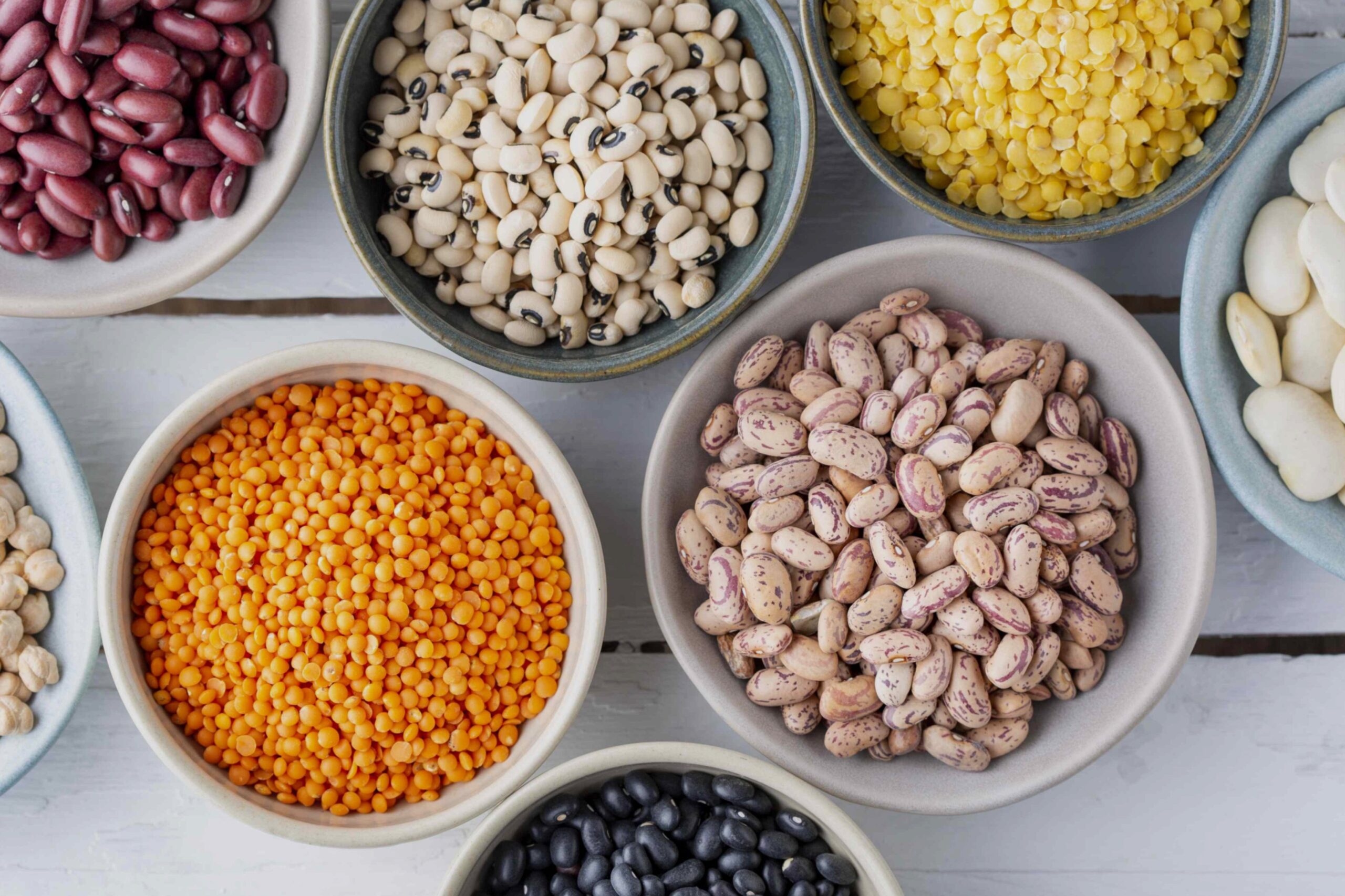
Legumes – encompassing beans, lentils, peas, and even peanuts – are nutritional powerhouses with a surprisingly broad impact on health. Consuming them regularly isn’t just about adding fiber and protein; it’s about proactively reducing the risk of chronic diseases like heart disease, type 2 diabetes, and certain cancers. While many know legumes are “good for you,” understanding why makes the difference.
Digestive Health: Beyond Just Fiber
Legumes are packed with fiber, which is essential for digestive regularity. A high-fiber diet dramatically lowers the risk of constipation and conditions like diverticulitis (inflammation in the colon). The science is clear: people eating more fiber are significantly less likely to suffer from digestive problems. Crucially, fiber also appears to reduce the risk of colon cancer by as much as 21% in some studies. This isn’t just about feeling “regular”; it’s about long-term gut health.
Heart Disease and Diabetes: A Protective Effect
Regular legume consumption is linked to a lower risk of cardiovascular disease. One review found that eating more legumes was associated with a 6% reduction in overall heart disease risk and a 10% reduction in coronary heart disease specifically. This effect isn’t magic; it’s tied to several factors:
- Weight Management: Legumes can aid in weight loss, which directly benefits both diabetes and heart health.
- Blood Pressure Control: Minerals like potassium and magnesium, abundant in lentils, help regulate blood pressure naturally.
- Cholesterol Reduction: Legumes have been shown to lower “bad” (LDL) cholesterol, reducing heart disease risk.
These benefits are supported by research, but more studies are needed to fully understand the precise mechanisms at play.
Blood Sugar Control: A Stabilizing Force
Legumes excel at managing blood sugar levels. Their high fiber and protein content slows sugar absorption, making them ideal for people with type 2 diabetes or those at risk. Studies show that cooked legumes can reduce both blood sugar and insulin spikes compared to refined carbohydrates like rice or bread. This isn’t just about preventing illness; it’s about stabilizing energy levels and overall metabolic function.
Popular Legume Choices
Here’s a list of commonly available legumes:
- Kidney beans
- Cannellini beans
- Great Northern beans
- Fava beans
- Black beans
- Pinto beans
- Soybeans and edamame
- Black-eyed peas
- Green peas
- Peanuts
Easy Ways to Incorporate More Legumes
Legumes are convenient. Canned options require no preparation, while dried legumes can be soaked and cooked. Try these simple additions to your diet:
- Soups & Stews: Add lentils, black beans, or chickpeas for extra protein and fiber.
- Salads & Grain Dishes: Substitute meat with legumes as a plant-based protein source.
- Plant-Based Patties: Use lentils or black beans to make burgers or meatloaf alternatives.
- Curries & Stews: Legumes blend seamlessly into flavorful dishes.
- Dips & Spreads: Blend legumes with olive oil and herbs for a healthy snack.
- Roasted Legumes: Toss chickpeas or soybeans with oil and spices for a crispy, filling snack.
Integrating legumes into your diet is one of the most straightforward ways to improve overall health and reduce the risk of chronic disease. It’s not just about eating more; it’s about making informed, sustainable dietary choices.