


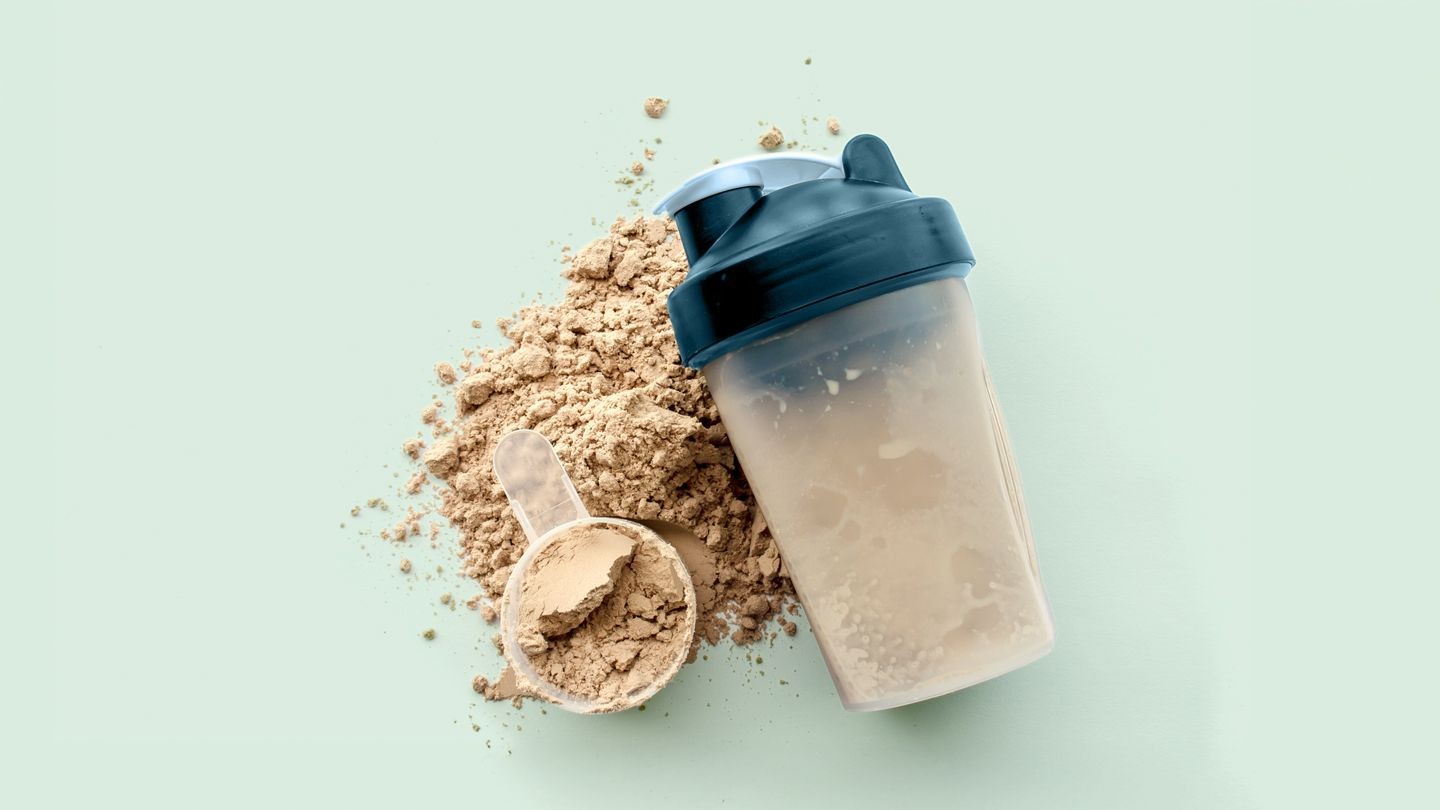
Сироватковий протеїн є популярною дієтичною добавкою, особливо серед спортсменів і тих, хто стежить за своєю фізичною формою. Отриманий з молока, він є джерелом швидкозасвоюваного білка, який підтримує ріст м’язів, відновлення та може принести додаткові переваги для здоров’я. Однак він також має потенційні недоліки, і розуміння обох сторін має вирішальне значення, перш ніж включити його у свій раціон.
Що таке сироватковий протеїн?
Сироватковий білок є побічним продуктом виробництва сиру: рідина, що залишається після згортання молока. Він містить усі дев’ять незамінних амінокислот, що робить його повноцінним білком, ідеальним для відновлення та росту м’язів. Хоча загалом безпечний, протеїн сироватки не регулюється FDA, тому якість продукту може сильно відрізнятися.
Потенційна користь для здоров’я
Дослідження показують, що сироватковий протеїн може принести користь, крім нарощування м’язів.
Ріст і відновлення м’язів: Дослідження підтверджують, що сироватковий білок ефективно збільшує м’язову масу в поєднанні з силовими тренуваннями. Літні люди можуть особливо отримати користь, оскільки добавки разом із фізичними вправами можуть допомогти боротися з віковою втратою м’язів (саркопенією).
Контроль ваги: Сироватковий протеїн може допомогти у втраті або підтримці ваги в поєднанні з дієтою з обмеженим споживанням калорій. Це допомагає підтримувати чисту м’язову масу під час схуднення, гарантуючи, що втрата ваги відбувається переважно за рахунок жиру, а не м’язів.
Контроль рівня цукру в крові: Деякі дані свідчать про те, що сироватковий білок може стабілізувати рівень цукру в крові, особливо якщо його вживати перед їжею. Цей ефект може бути корисним для людей з діабетом 2 типу, але необхідні подальші дослідження.
Здоров’я обміну речовин: Попередні дослідження показують, що сироватковий білок може помірно знизити артеріальний тиск і підвищити рівень холестерину, хоча тривалі дослідження все ще проводяться.
Загоєння ран: Амінокислотний вміст сироваткового білка сприяє відновленню тканин, потенційно сприяючи загоєнню ран, як показано в дослідженнях за участю пацієнтів відділень інтенсивної терапії з пролежнями.
Ризики та побічні ефекти
Незважаючи на свої переваги, сироватковий білок не позбавлений ризику.
Проблеми з травленням: Поширені побічні ефекти включають здуття живота, гази, запор або діарею, особливо при високих дозах. Люди з непереносимістю лактози можуть відчувати більш серйозні симптоми при вживанні концентрату сироваткового протеїну.
Забруднення: Оскільки добавки суворо не регулюються, деякі продукти можуть містити такі забруднювачі, як важкі метали або наповнювачі. Вибір брендів із сертифікацією третьої сторони (NSF, Informed-Sport) може зменшити цей ризик.
Взаємодія з ліками: Сироватковий білок може перешкоджати метаболізму в організмі певних ліків, включаючи антибіотики, ліки від остеопорозу та ліки від паразитарних інфекцій. Перед використанням проконсультуйтеся з лікарем, якщо ви приймаєте будь-які ліки.
Вагітність/годування груддю: Сироватковий протеїн не рекомендується вагітним або годуючим жінкам через потенційний ризик гестаційного діабету.
Форми сироваткового протеїну
Сироватковий білок буває трьох основних форм:
- Концентрат сироватки (WPC): Найдоступніший, містить трохи лактози та жиру.
- Сироватковий ізолят (WPI): Більш рафінований, з низьким вмістом лактози та жиру, швидше засвоюється.
- Гідролізат сироватки (WPH): Попередньо перетравлений, найбільш легкозасвоюваний, часто використовується в сумішах для немовлят.
Дозування та джерела їжі
Рекомендоване споживання білка залежить від рівня активності та стану здоров’я. Активним людям може знадобитися 1,1–1,7 грамів білка на кілограм ваги тіла, а людям похилого віку може бути корисним більше споживання для боротьби з втратою м’язів.
Ви також можете отримати сироватковий білок природним шляхом з молочних продуктів:
- 1 склянка молока: 14 грам білка (20% сироватки)
- 100 г грецького йогурту: 78 грам білка (сироватка і казеїн)
- ½ склянки рікотти: 1 грам білка
Висновок
Сироватковий протеїн може бути цінною добавкою для росту м’язів, відновлення та, можливо, більш широких переваг для здоров’я. Однак це не чарівна таблетка. Важливо поєднувати це зі збалансованою дієтою, регулярними фізичними вправами та уважним розглядом потенційних ризиків. Якщо у вас є якісь захворювання або ви приймаєте ліки, проконсультуйтеся з лікарем перед використанням сироваткового протеїну.


