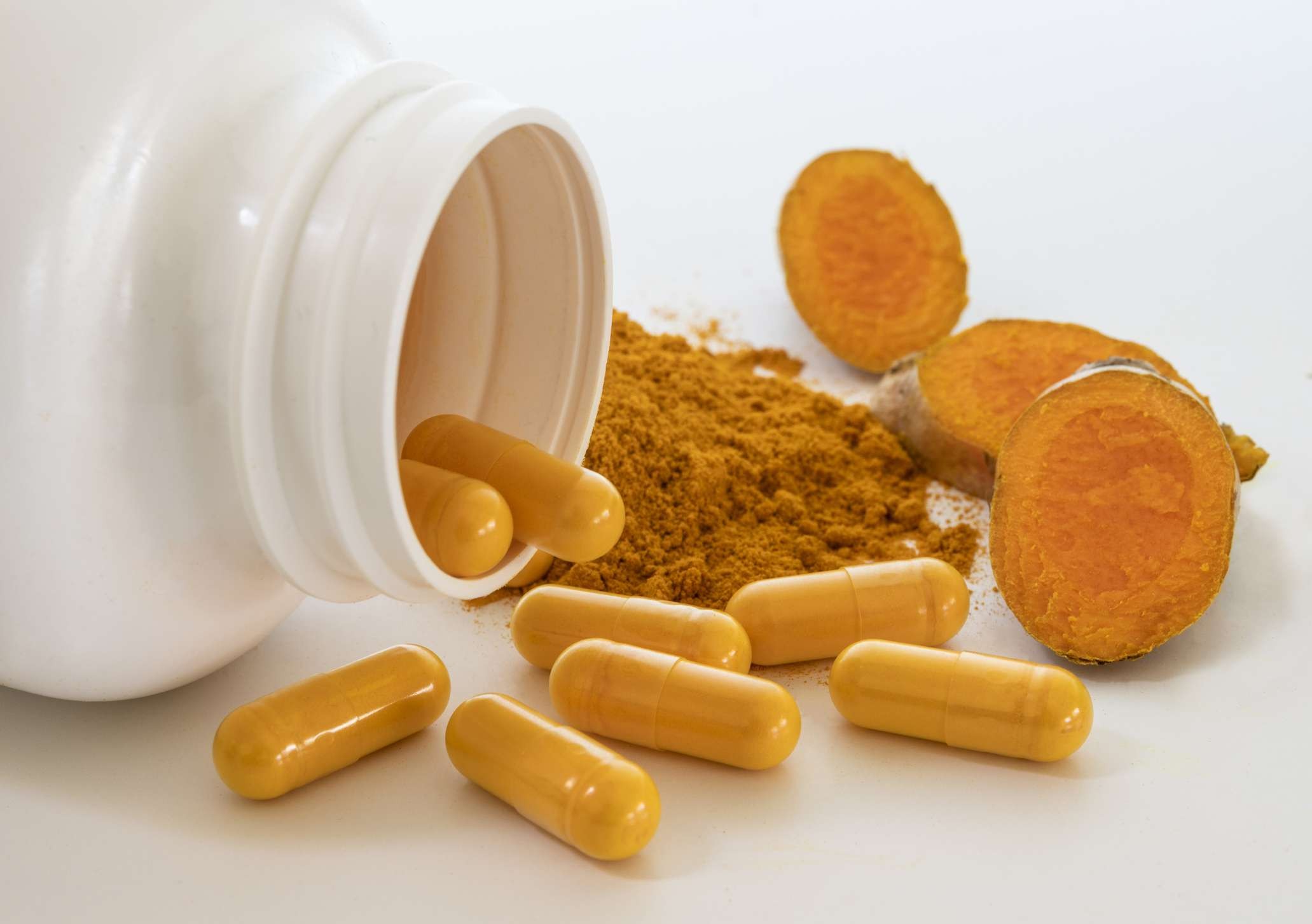
For centuries, turmeric – derived from the Curcuma longa plant – has been a cornerstone of traditional medicine in cultures across Asia. Today, it’s gaining recognition in Western healthcare as a potent natural remedy, thanks to its active compound, curcumin, which boasts powerful anti-inflammatory and antioxidant properties.
This isn’t just about flavoring food; it’s about understanding how a simple spice can potentially support a range of health conditions. Here’s a breakdown of ten areas where turmeric may offer benefits, backed by emerging research.
1. Arthritis: Reducing Joint Pain Naturally
Arthritis, encompassing over 100 conditions, causes joint inflammation, pain, and reduced mobility. Osteoarthritis, the most common type, develops with age, while autoimmune forms like rheumatoid arthritis (RA) involve the immune system attacking healthy tissue.
Why this matters: Chronic joint pain impacts quality of life and can lead to disability. Conventional treatments often come with side effects.
Turmeric’s curcumin has demonstrated significant anti-inflammatory effects in studies. Research suggests it can relieve osteoarthritis symptoms comparably to NSAIDs, but with fewer adverse reactions. A review of 29 clinical trials showed turmeric reducing inflammation and pain across multiple arthritis types, including gout.
2. Cardiovascular Health: Protecting Your Heart
Cardiovascular disease encompasses conditions like coronary artery disease, arrhythmia, and heart failure. These often develop due to atherosclerosis – plaque buildup in arteries, increasing the risk of heart attack and stroke.
Why this matters: Heart disease is the leading cause of death globally. Prevention and natural support are crucial.
Turmeric may improve heart health by reducing inflammation and enhancing blood vessel function. Studies indicate curcumin can lower LDL (“bad”) cholesterol, protecting against heart disease. One study found turmeric improved blood vessel relaxation, lowering blood pressure, while another showed a 65% reduction in heart attack risk in bypass surgery patients.
3. Inflammatory Bowel Disease (IBD): Soothing Digestive Distress
IBD, including Crohn’s disease and ulcerative colitis, causes chronic inflammation in the digestive tract, leading to abdominal pain, diarrhea, and weight loss.
Why this matters: IBD significantly disrupts daily life and requires long-term management.
Curcumin may enhance standard treatments and control IBD symptoms. A meta-analysis of six studies showed significant reduction in ulcerative colitis flare-ups with turmeric supplementation. A 12-week trial revealed that 40% of Crohn’s disease patients experienced symptom relief with 360mg of curcumin daily.
4. Neurodegenerative Diseases: Supporting Brain Health
Alzheimer’s and Parkinson’s are neurodegenerative diseases where nerve cells deteriorate, causing memory loss, motor difficulties, and mood changes. Chronic inflammation and protein buildup contribute to these conditions.
Why this matters: These diseases are devastating and currently have limited effective treatments.
Turmeric may reduce brain inflammation and protect cells from damage, potentially slowing cognitive decline in Alzheimer’s. Curcumin may also improve mood and memory in older adults.
5. Depression: A Natural Mood Booster
Depression causes persistent sadness, hopelessness, fatigue, and loss of interest. Low levels of brain-derived neurotrophic factor (BDNF), a protein vital for brain cell growth, are common in depression.
Why this matters: Depression is a widespread mental health crisis. Natural support options are valuable.
Curcumin may increase BDNF levels, supporting brain cell survival and potentially relieving depressive symptoms.
6. Allergies: Calming the Immune Response
Allergies trigger an overreaction of the immune system to foreign substances, leading to inflammation and symptoms like sneezing, itching, and congestion.
Why this matters: Seasonal and chronic allergies impact millions, reducing productivity and well-being.
Turmeric may help manage allergies by suppressing histamine release and reducing inflammation.
7. Inflammatory Skin Conditions: Soothing Eczema and Psoriasis
Eczema and psoriasis involve an overactive immune system, causing itchy, dry, and inflamed skin.
Why this matters: Chronic skin conditions can be debilitating and affect self-esteem.
Turmeric’s anti-inflammatory properties may soothe symptoms and promote healing, offering a natural alternative to steroid creams.
8. Cancer: Emerging Research on Prevention and Support
Early research suggests curcumin may slow cancer cell growth and enhance the effectiveness of chemotherapy and radiation.
Why this matters: Cancer remains a major health threat, and novel approaches are constantly being explored.
While more research is needed, curcumin shows promise in small trials.
9. Type 2 Diabetes: Improving Insulin Sensitivity
Type 2 diabetes develops when the body becomes resistant to insulin or doesn’t produce enough, leading to high blood sugar.
Why this matters: Diabetes is a growing epidemic with severe complications.
Turmeric may improve insulin sensitivity, helping cells absorb sugar more efficiently.
10. Respiratory Conditions: Easing Asthma and COPD
Asthma and COPD cause inflammation in the airways, leading to coughing, wheezing, and shortness of breath.
Why this matters: Chronic respiratory diseases significantly impact quality of life.
Turmeric may calm airway inflammation, making breathing easier.
How to Incorporate Turmeric: Maximizing Absorption
Turmeric is available as a spice, supplement (capsules, tablets, liquid extracts), or in teas (golden milk). Curcumin is poorly absorbed on its own, so combine it with black pepper (piperine enhances absorption) and healthy fats (avocado, olive oil) to maximize benefits.
Safety and Side Effects
Turmeric is generally safe in moderate doses. However, high doses may cause stomach upset, nausea, or diarrhea. It can also interact with blood-thinning drugs and diabetes medications. Pregnant or breastfeeding individuals should avoid supplements.
Always consult a healthcare professional before starting any new supplement regimen, especially if you have existing medical conditions or are taking medications.
Turmeric holds immense potential as a natural health aid. While further research is ongoing, the existing evidence suggests that incorporating this spice into your routine could offer significant benefits for various conditions.