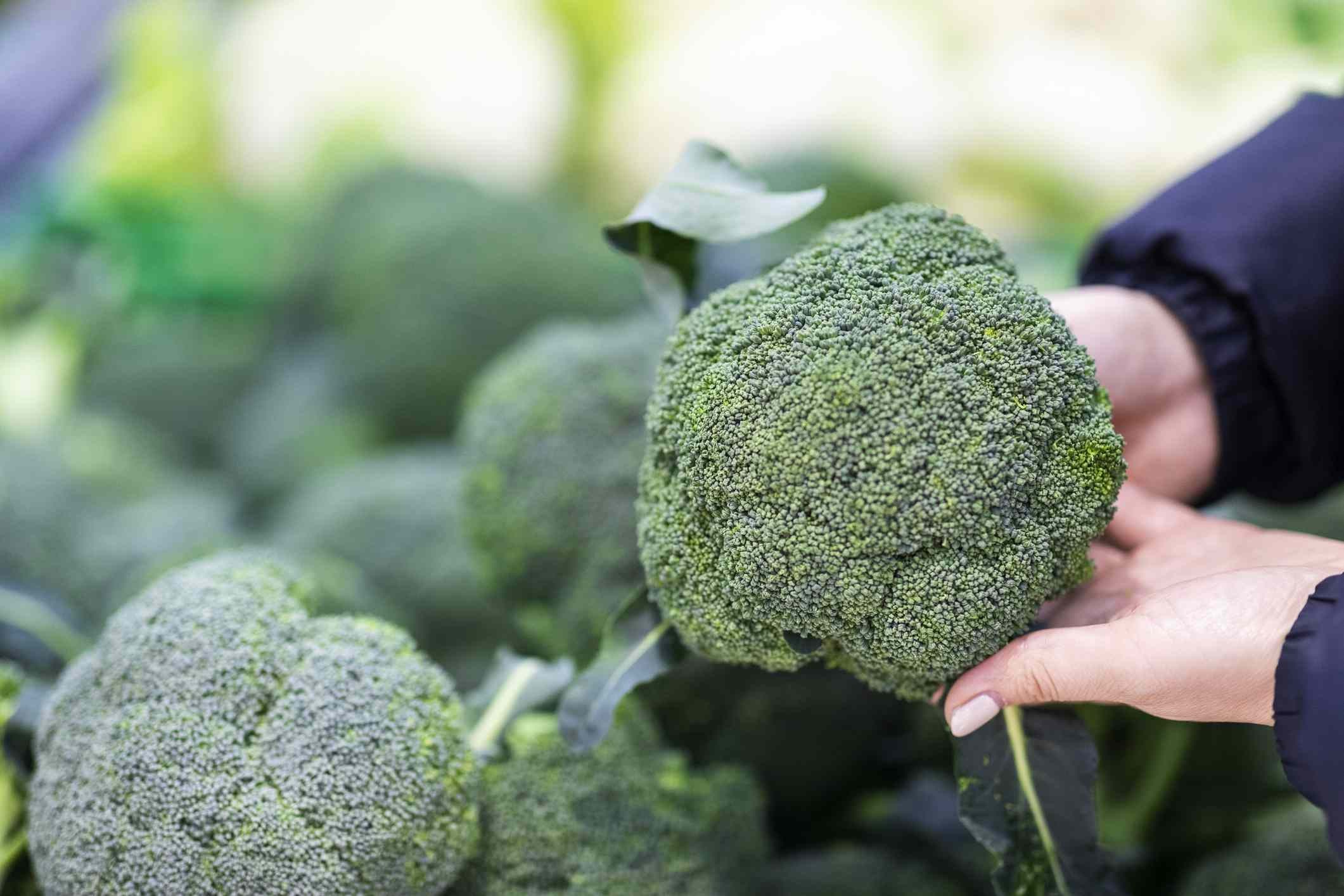
Broccoli isn’t just another green vegetable; it’s a nutritional powerhouse with a wide range of health benefits. From boosting immunity to protecting against chronic diseases, incorporating this cruciferous vegetable into your diet can significantly improve your well-being. But with so many varieties available, understanding the nuances of each type can help you maximize its advantages.
Why Broccoli Matters: Beyond the Basics
Broccoli is more than just a side dish. It’s a concentrated source of vitamins, minerals, and antioxidants that support key bodily functions. Its impact on disease prevention, particularly heart disease and certain cancers, makes it a food worth prioritizing. The high fiber content also aids digestion and weight management, while its hydrating properties keep cells functioning optimally.
Nutritional Breakdown: What Makes Broccoli Special?
A single medium stalk of raw broccoli delivers a significant nutritional punch:
- Calories: 45
- Fat: <1g
- Sodium: 80mg
- Carbohydrates: 8g
- Fiber: 3g
- Protein: 4g
It’s an exceptional source of vitamin C (220% DV), vital for immunity and bone health, and provides substantial amounts of potassium (13% DV), essential for nerve and muscle function. Other key nutrients include vitamin K, folic acid, calcium, magnesium, selenium, and more.
Health Benefits Backed by Science
- Cancer Prevention: Broccoli and other cruciferous vegetables contain compounds that may neutralize carcinogens and encourage healthy cell death, potentially reducing cancer risk.
- Heart Health: Compounds in broccoli protect arteries from hardening, lowering the risk of heart attacks and strokes – the leading cause of death in the US.
- Brain Function: Lutein and zeaxanthin support cognitive health, potentially protecting against age-related decline.
- Bone Strength: Nutrients like vitamin K, magnesium, and calcium contribute to strong bones and prevent density loss.
- Anti-Inflammatory Effects: Broccoli reduces pro-inflammatory markers, lowering the risk of chronic diseases.
- Antioxidant Protection: The vegetable’s compounds detoxify harmful chemicals and protect against UV damage, macular degeneration, and cataracts.
- Hydration: With 68 grams of water per cup, broccoli aids hydration, regulating body temperature and preventing constipation.
Exploring Broccoli Varieties: Beyond the Standard Green
While all broccoli types share core benefits, their flavors and nutritional profiles differ:
- Calabrese: The most common grocery store variety, with sturdy stalks and tight green florets.
- Chinese (Gai Lan): Features long green stalks and tiny florets, sweeter in the stem but bitter in the leaves. Richer in calcium and folate than Calabrese.
- Broccolini: A hybrid of regular and Chinese broccoli, with a mild, sweet flavor. Contains high levels of phenolic compounds that fight oxidative stress. Note: Boiling reduces these compounds by 70%.
- Broccoli Rabe (Raab): Technically a turnip relative, with smaller florets and a bitter taste. Excellent source of vitamins A, C, folate, and potassium.
- Di Cicco: Italian variety with smaller, bluish heads. Edible stems, florets, and leaves.
- Purple Sprouting: Tall plant with vibrant purple florets rich in anthocyanins, which protect against cardiovascular and neurodegenerative diseases.
- Waltham: Developed in Massachusetts, with longer stalks and blue-tinged heads.
Potential Risks and How to Mitigate Them
While broccoli is safe for most, some individuals may experience:
- Allergic Reactions: Rare but possible.
- Digestive Discomfort: High sugar content can cause bloating due to gut bacteria fermentation.
- Vitamin C Overload: Excessive intake may lead to diarrhea or stomach cramps.
Tips for Maximum Benefit
- Storage: Keep broccoli cool in a loosely tied plastic bag in the refrigerator for up to 5 days. Don’t wash until ready to eat.
- Cooking: Enjoy raw or cooked, depending on variety. Some (like rabe and Chinese) benefit from cooking to soften them.
- Preparation: Broccoli is versatile—add it to meals, snacks, or eat it as a standalone side.
In conclusion, broccoli is a highly nutritious and versatile vegetable with a multitude of health benefits. Understanding its diverse varieties and potential risks allows you to maximize its value in your diet. Incorporating this powerhouse food can lead to significant improvements in your overall health and well-being.