When an organization faces a wave of unexplained setbacks, the vacuum left by missing facts is often filled by something much more dangerous: misinformation.
The San Francisco 49ers recently faced this exact phenomenon. After a string of high-profile player injuries, a conspiracy theory emerged online claiming that radiation from a nearby power station was causing the physical degradation of their athletes. While the theory was scientifically baseless, it gained massive traction, even being shared by players themselves.
The 49ers’ response provides a masterclass for leaders in how to navigate the thin line between ignoring a falsehood and inadvertently amplifying it.
The Trap of the False Narrative
In modern leadership, misinformation is rarely a “truth” problem; it is a perception and stability problem.
When a theory—no matter how implausible—reaches a certain level of visibility, it ceases to be a mere rumor and becomes a factor that can influence behavior, morale, and decision-making. For the 49ers, the risk wasn’t that the radiation was real, but that the belief in it could undermine the players’ confidence in their environment and the team’s ability to perform.
Leaders typically fall into one of two reactionary traps:
1. Dismissal: Ignoring the claim entirely, which allows the doubt to “metastasize” and grow within the organization.
2. Overreaction: Engaging in public debates to disprove the claim, which can unintentionally grant the fringe theory legitimacy by giving it a larger platform.
The 49ers’ Strategic Response
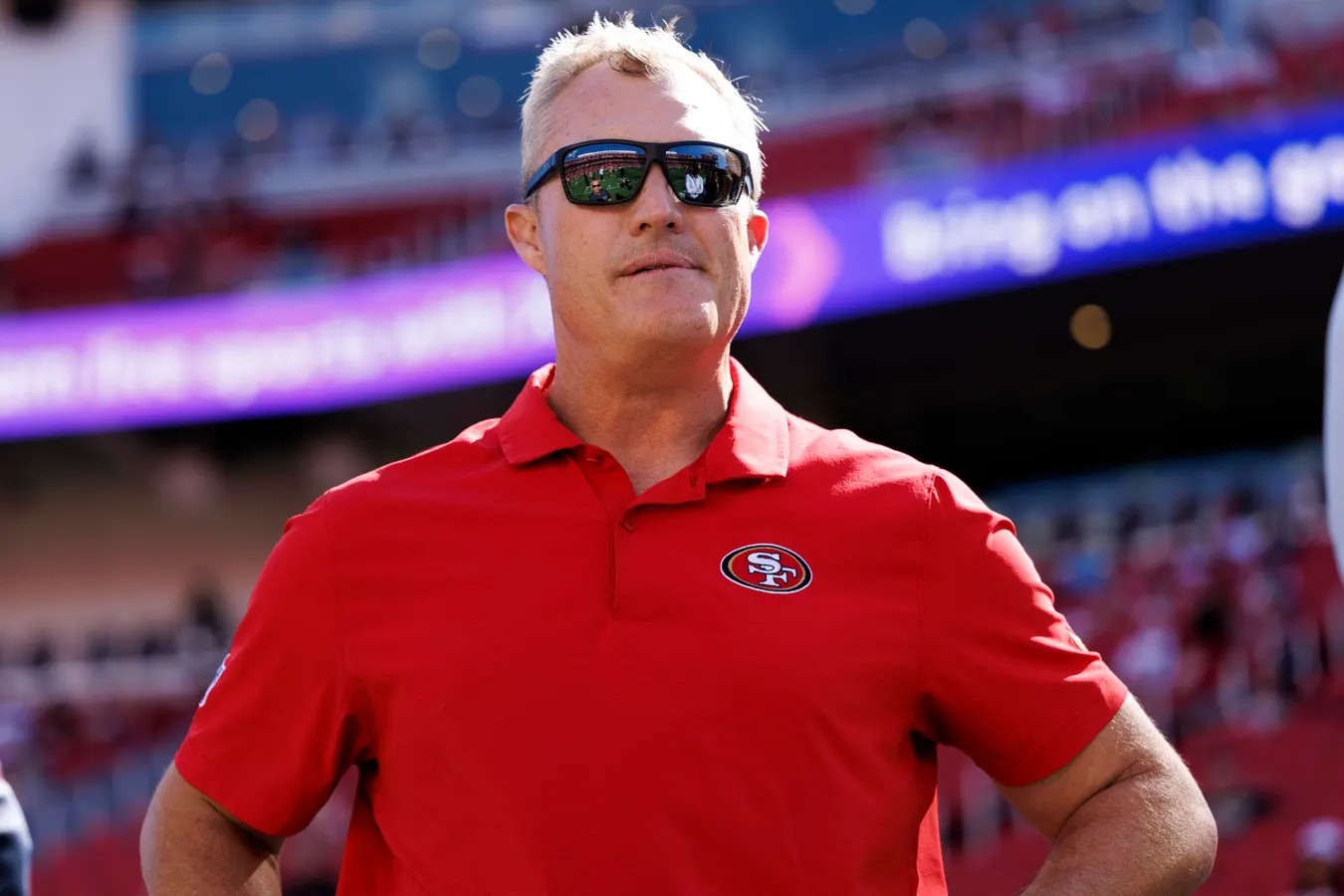
Rather than engaging in a social media war or issuing defensive press releases, General Manager John Lynch took a methodical, evidence-based approach. The team hired an independent scientist with decades of experience in electromagnetic fields to conduct a rigorous audit of the facility.
The results were definitive: radiation levels were 400 times lower than the safety threshold—less than the output of a common household vacuum cleaner.
By focusing on internal resolution rather than external persuasion, the 49ers achieved three critical goals:
– They removed uncertainty from the locker room.
– They provided a factual baseline for decision-making.
– They moved forward without the distraction of a prolonged public spectacle.
A Framework for Modern Leadership
The 49ers’ experience suggests a specific blueprint for handling narratives that threaten organizational stability. This is particularly relevant in sectors like healthcare, public health, and corporate finance, where rumors can shift investor sentiment or patient behavior overnight.
1. Address Influence, Not Just Credibility
Don’t ask, “Is this true?” Ask, “Is this affecting how my people act?” If a narrative is influencing behavior, it must be addressed, regardless of its scientific validity.
2. Avoid Unnecessary Amplification
Address the issue quietly and methodically. The goal is to resolve the doubt, not to win an argument on a public forum.
3. Use Science as a Tool, Not a Strategy
Science should not be used as a “communications tactic” to win hearts and minds. Instead, use it as a decision-making tool to establish a standard of reality that the organization can rely on to move forward.
Conclusion
The ultimate goal of managing misinformation is not to convince the world that you are right, but to ensure your organization can function without distraction. By choosing evidence over debate, the 49ers turned a potential crisis of confidence into a moment of operational clarity.
The Bottom Line: In an era of constant noise, the ability to distinguish between confidence and evidence is more than just good process—it is a significant competitive advantage.