Respiratory syncytial virus (RSV) is a common seasonal illness that affects the nose, throat, and lungs. While typically mild, RSV can be severe—even fatal—particularly for infants and older adults. For decades, scientists sought a way to prevent extreme RSV illness, and now, multiple vaccines are available. This guide explains who should get vaccinated, how the vaccines work, and what you need to know.
Understanding the RSV Threat
RSV is a persistent problem, causing seasonal outbreaks every year. The virus poses the highest risk to two key groups: infants under six months (whose immune systems are not fully developed) and seniors with weakened immunity. In recent years, RSV has surged, overwhelming hospitals and prompting a push for wider vaccination.
The underlying issue isn’t just the virus itself—it’s the demographics. Aging populations and increasing rates of chronic illness mean more people are vulnerable to severe RSV complications. This is why the development of effective vaccines has been a top priority for public health officials.
Three Vaccine Options: How They Work
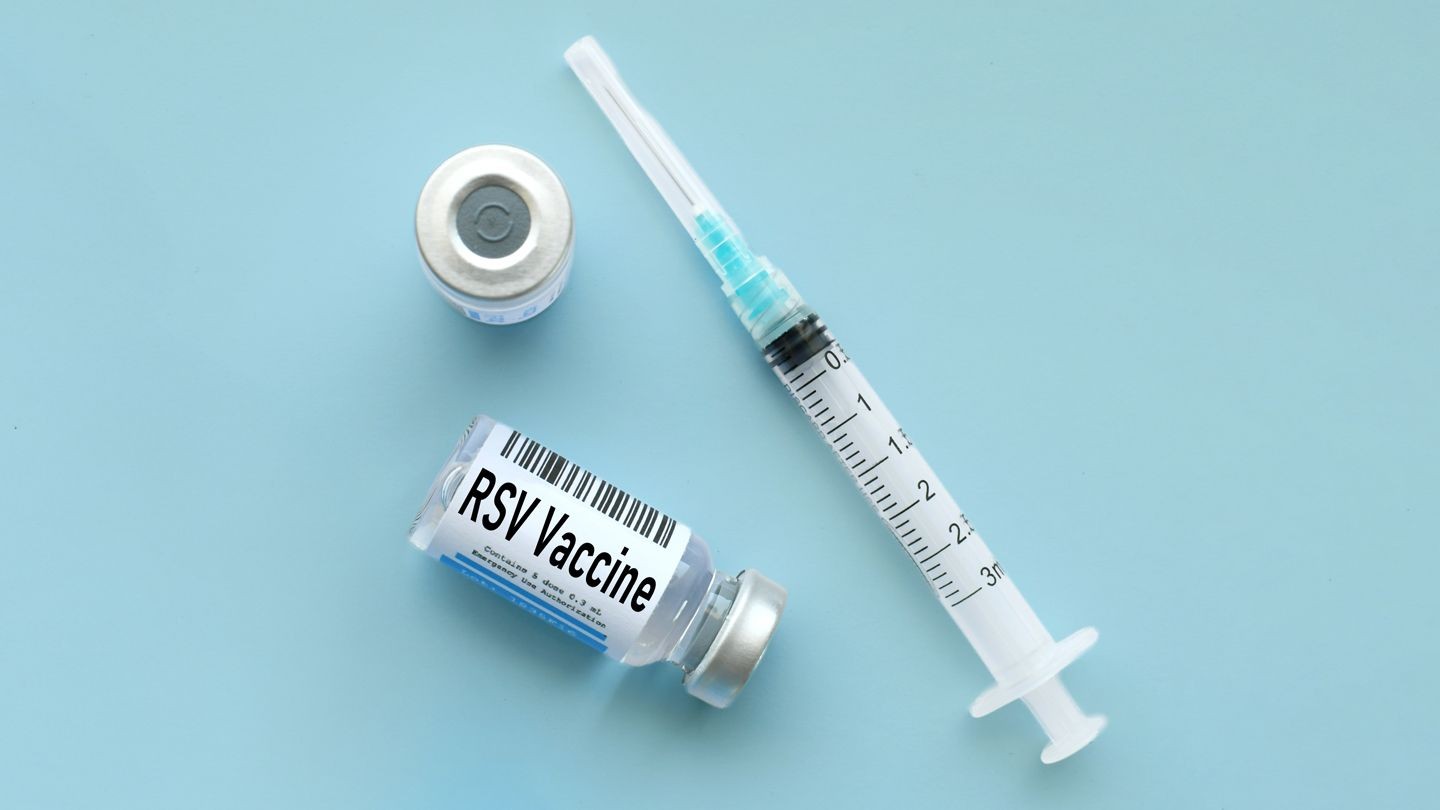
After years of research, three RSV vaccines have been approved in the U.S.:
- Arexvy (GSK): The first FDA-approved RSV vaccine, using an inactivated version of the viral protein combined with an immune-boosting ingredient (adjuvant).
- Abrysvo (Pfizer): This vaccine also uses the viral protein but doesn’t need an adjuvant. Notably, it protects against both RSV subtypes (A and B).
- mRESVIA (Moderna): Unlike the others, this vaccine uses mRNA technology—the same approach behind some COVID-19 vaccines—to teach the body how to fight the virus.
All three vaccines target the pre-fusion protein (preF) on the virus, which allows it to attach to human cells. Blocking this protein prevents infection.
Who Should Get Vaccinated?
The CDC recommends RSV vaccination for these groups:
- Adults 75+: Age-related immune decline increases the risk of severe RSV complications, including hospitalization and death.
- Adults 50–74 with Underlying Conditions: Individuals with chronic lung disease, heart disease, kidney problems, diabetes, or weakened immune systems are at higher risk.
- Pregnant People (Weeks 32–36): The Abrysvo vaccine can protect newborns by transferring antibodies from the mother to the baby, providing immunity during the first six vulnerable months of life.
For infants too young to be vaccinated directly, a monoclonal antibody treatment called Beyfortus or Enflonsia provides immediate, temporary protection.
Timing and Duration of Protection
The CDC advises older adults to get vaccinated in late summer or early fall, before RSV season begins. Current recommendations suggest the vaccine provides protection for at least one year, but further research is underway to determine long-term immunity.
For pregnant people, vaccination between weeks 32 and 36 ensures the baby is protected at birth.
Safety and Side Effects
The FDA has deemed RSV vaccines safe and effective based on clinical trial data. However, rare neurological conditions like Guillain-Barré syndrome (GBS) have been reported in a small number of vaccinated individuals.
Common side effects are mild and temporary:
- Pain, redness, or swelling at the injection site
- Fatigue
- Fever
- Headache
- Nausea
- Muscle or joint pain
Severe allergic reactions are extremely rare, but possible. Pregnant people may experience a slightly increased risk of preterm birth or high blood pressure, but the link is still being studied.
Cost and Access
The cost of the RSV vaccine varies depending on insurance coverage. Medicare Part D covers the shot, and out-of-pocket expenses range from $175 to $395. Vaccines are available at most doctors’ offices, pharmacies, and local health departments.
The Bottom Line
RSV vaccines offer a crucial defense against severe respiratory illness in vulnerable populations. With multiple options available, the CDC doesn’t recommend one vaccine over another for older adults. The key takeaway is that vaccination is now a reliable way to protect infants, seniors, and pregnant people from the worst effects of this common yet dangerous virus.