Recent weeks have seen a significant uptick in public health notifications, ranging from consumer product recalls to emerging medical research. While these news items may seem disparate, they collectively highlight the importance of vigilance regarding everyday items and proactive eye care.
The Immediate Safety Alerts
Two major safety issues have grabbed headlines, prompting urgent action from consumers.
1. The Thermos and Food Jar Recall
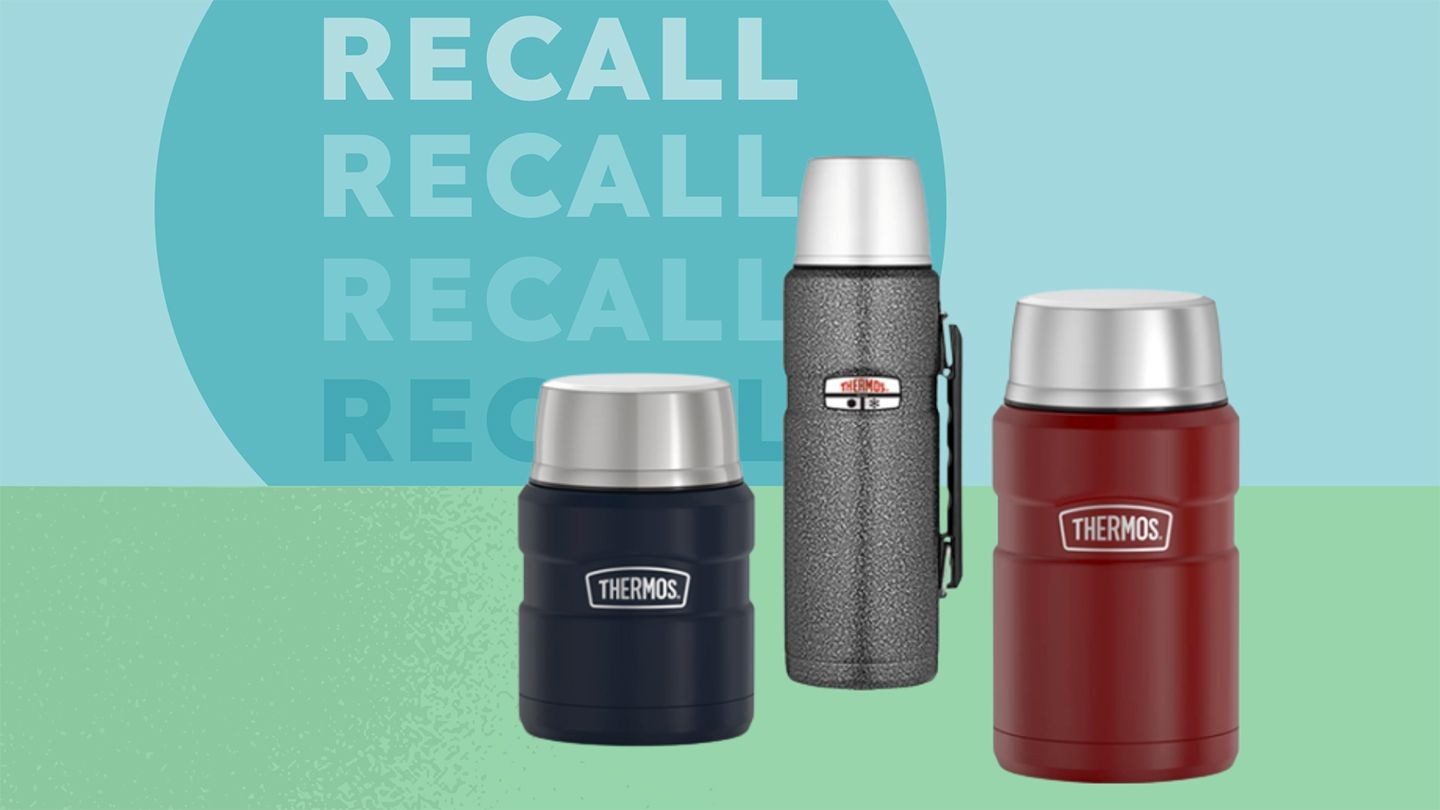
A widespread recall has been issued for certain thermos bottles and food jars due to a serious injury risk. While specific details on the defect vary by batch, these recalls typically stem from manufacturing flaws that can lead to sudden breakage or the release of hazardous materials.
* Why this matters: Kitchen and travel containers are handled daily, often while hot or under pressure. A defect can lead to burns or cuts. Consumers are urged to check model numbers against official recall lists immediately.
2. The Eye Drop Contamination Scare
Perhaps more concerning is the nationwide recall affecting millions of eye drop bottles due to potential contamination. This is not merely a quality control issue but a significant public health event.
* The Trend: This recall underscores the fragility of sterile supply chains. Contaminated eye drops can lead to severe infections, including corneal ulcers, which can result in permanent vision loss if not treated quickly.
* Action Item: If you use eye drops, verify your brand and lot number. If in doubt, discontinue use and consult an ophthalmologist before switching brands.
Emerging Insights in Eye Health
Beyond immediate recalls, several new studies and FDA approvals are reshaping how we understand vision care, particularly for aging populations.
New Treatments and Approvals
* Presbyopia Relief: The FDA has approved new eye drops that could potentially replace reading glasses for some patients. This represents a shift toward pharmacological solutions for age-related focusing issues (presbyopia), offering an alternative to bifocals or surgery.
* GLP-1 Drugs and Vision: Emerging research suggests a link between GLP-1 weight-loss drugs (such as Ozempic or Wegovy) and a lower risk of early macular degeneration. While these drugs are primarily for metabolic health, their secondary benefit to eye health raises intriguing questions about the systemic nature of eye disease.
Managing Geographic Atrophy
Geographic atrophy (GA), a late-stage form of dry age-related macular degeneration, remains a critical focus for researchers and patients. Recent guidance emphasizes:
* Dietary Adjustments: Specific foods are now recommended to support eye health, while others should be limited. Nutrients like lutein, zeaxanthin, and omega-3 fatty acids are central to this advice.
* Routine Care: Regular eye exams are crucial for GA patients to monitor progression and manage symptoms effectively.
Common Vision Issues: Myths and Realities
A significant portion of recent health content addresses common misconceptions and symptoms that often go unnoticed until they become serious.
Understanding Symptoms
* Blurred Vision: This can stem from 14 different causes, ranging from simple dry eye to serious conditions like diabetic retinopathy. Context matters: blurry vision during exercise might indicate dehydration or blood pressure issues, while persistent blur warrants a medical check.
* Bloody Eyes and “Seeing Stars”: A subconjunctival hemorrhage (bloody eye) is often harmless but alarming. Similarly, seeing stars after exercise is usually benign but can signal underlying vascular issues if frequent.
Debunking Myths
* Pink Eye: Contrary to popular belief, not all pink eye is contagious or bacterial. Viral and allergic conjunctivitis require different treatments, making accurate diagnosis essential.
* Dry Eye: Often dismissed as a minor annoyance, dry eye can lead to chronic inflammation and damage. It is a complex condition with multiple causes, including screen time, medication side effects, and environmental factors.
High-Risk Conditions
* Diabetic Retinopathy: For diabetics, routine eye screenings are non-negotiable. This condition can silently damage blood vessels in the retina, leading to blindness if untreated.
* Cataracts: While common, surgery remains the only effective treatment. Understanding when to seek surgery can prevent unnecessary discomfort and safety risks, such as driving impairment.
Conclusion
The current landscape of health news demands a two-pronged approach: reactive vigilance regarding product recalls and proactive care for long-term eye health. Whether checking a thermos model number or discussing new GLP-1 side effects with a doctor, staying informed is the best defense against preventable harm.