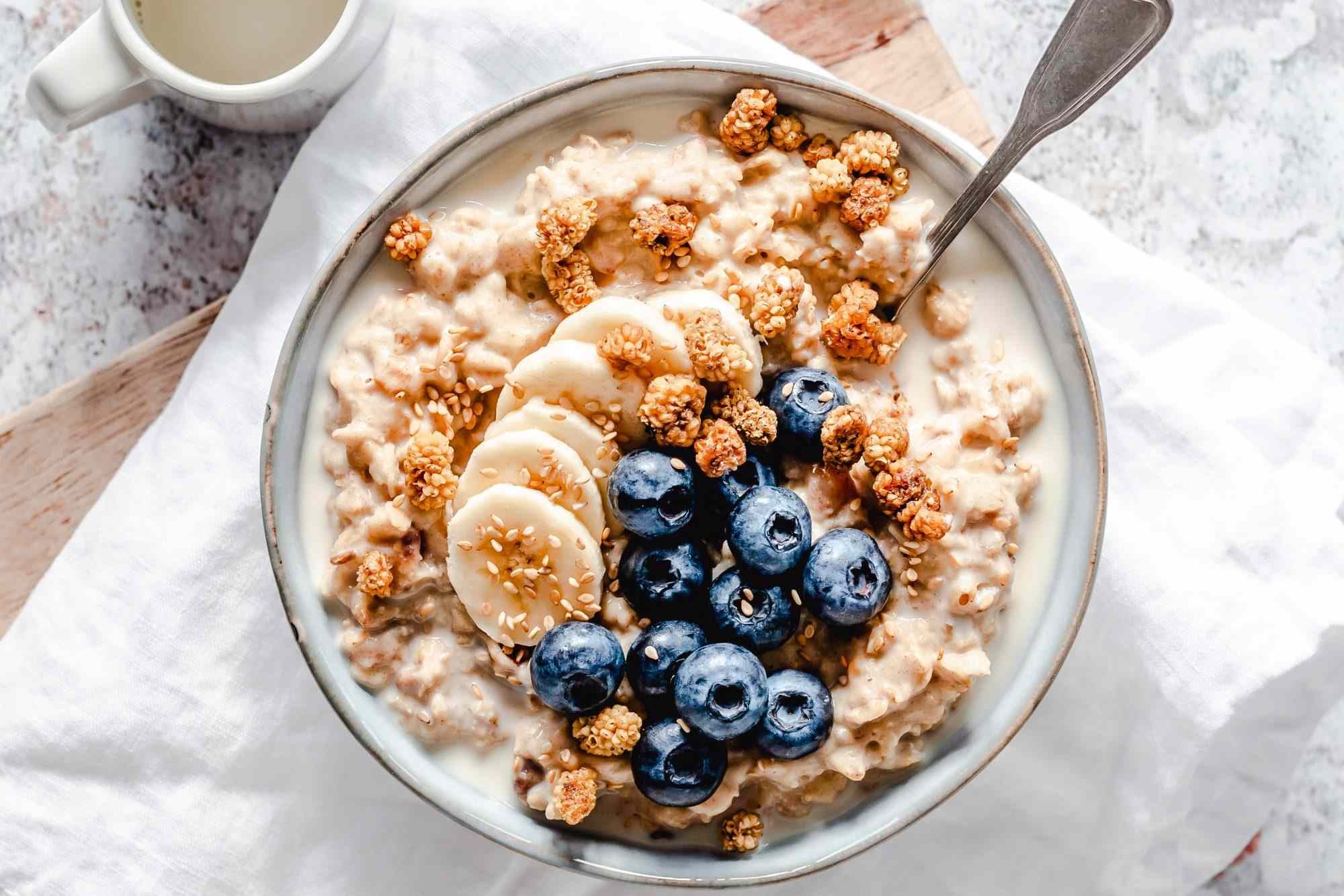
They call it Avena sativa. Fancy name for breakfast mush.
Most people treat it like fuel for the soul. Science calls it functional fiber. Same result.
But here’s the thing. It’s not magic. It’s mechanics.
The Heart Stuff
Beta-glucan is the hero. It’s that gel-like soluble fiber. It dissolves. It traps cholesterol. Specifically LDL, the bad guy.
Lower LDL means lower heart disease risk. Simple trade.
A 2018 study backed this up. Participants ate just 3 grams of that beta-glucan daily. Their bad cholesterol dropped. Not by a mile. But it moved.
Magnesium helps too. Potassium. Iron. Oats are loaded with them.
Magnesium isn’t common in most foods. Yet it moves ions through your nerves. Your muscles. It keeps your heartbeat steady. Without it? The rhythm wobbles.
Gut Mechanics
Oats have two types of fiber. Soluble. Insoluble.
Soluble slows everything down. Helps you absorb what matters. Insoluble? It’s the broom. It sweeps you clean. Good for bowel movements. Better for older guts that get cranky with age.
Prebiotic action is the bonus. Those good gut bacteria feed on oats. A healthy gut fights inflammation. Some evidence says this prebiotic boost might lower cancer risks. Maybe cardiovascular risks too.
Hunger Management
They keep you full. Fiber does the heavy lifting here.
Carbs in oats release energy slow. Not a spike. A slide. You don’t crash. You don’t crave sugar an hour later.
Unless you eat the instant packets.
Instant oats digest fast. Rolled or raw oats stick around longer. Protein helps metabolize the meal. It builds muscle. Not fat.
How full you stay depends on how you eat them. Chew matters. Time matters.
Sugar Control
Glucose hits the bloodstream slow. Thanks again to that gel. Beta-glucan blocks rapid absorption.
No spikes. No crashes.
People with type 2 diabetes see lower HbA1c levels. That’s the marker for average blood sugar over three months. It drops when oats enter the rotation.
Why does that matter? Consistency. Steady energy. Less insulin chaos.
What’s Actually in Them?
One cup of raw oats packs a punch.
- Calories: 303
- Fat: 5g
- Sodium: 5mg
- Carbs: 54g
- Fiber: 8g
- Protein: 10g
Zero added sugar. That’s rare for breakfast food.
Iron sits at 3.4mg. Calcium at 41.6mg. Selenium helps prevent cognitive decline and heart issues. Maybe infertility too, if we’re getting technical.
Avenanthramides are the hidden gems. They stop inflammation. Might fight infections. More research needed there. Probably always will be.
The Risks (Don’t Ignore Them)
Oats aren’t innocent for everyone.
Gluten-sensitive people tread carefully. Oats contain avenin. It acts like gluten. Bloating follows. Gas too.
Celiac disease makes this dangerous. Even trace amounts hurt. Cross-contamination happens at the mills. Wheat and oats share equipment often.
Look for certified gluten-free labels. Or switch grains. Quinoa works. Rice is safe. Millet is boring but effective.
Allergies exist. Skin rashes after eating? Breathing trouble? Stop eating them.
How to Eat Them Without Boredom
Don’t just boil them with water. That’s torture.
Steel-cut oats. Quick oats. Bran. The texture changes everything.
Mix them into smoothies. Use them to bread fish. Or chicken. Tofu works if you’re into that.
Make oat milk. Soak the oats. Blend with water. Add dates. Strain. It’s creamy. It’s easy.
Freeze them for storage. Moths hate the freezer. Bugs too.
Oats are versatile. The problem isn’t the food. It’s the routine.
They even heal skin. Colloidal oatmeal grinds the grain into dust. It soothes eczema. Psoriasis. Rough patches.
It’s food. It’s medicine. It’s just grain.
You decide what to do with it.