Brain rot doesn’t happen in a day.
It creeps up. Over decades. It’s not the avocado you missed on Tuesday. It’s what you did every Tuesday for ten years.
A new review from Semmelweis University just laid this out in plain sight. Researchers looked at how polyphenols — those colorful plant compounds hiding in your berries, coffee, and dark chocolate — mess with the biological clocks of your brain. They wanted to know why certain eating habits slow down Alzheimer’s and Parkinson’s risks.
The answer wasn’t a magic bullet.
It was a pattern.
Which Foods Actually Protect Your Cognitive Decline?
The team used a method called narrative review. They dug into cell studies, animal models, and human trials. The framework? Geroscience.
Geroscience is the idea that aging diseases share a common root: damaged cells, chronic inflammation, and a brain that forgets to clean up its trash proteins.
Polyphenol-rich diets fight this trash accumulation.
Observational data consistently shows that people who follow Mediterranean or MIND style eating patterns have slower cognitive decline. But does the mechanism hold up under a microscope?
Early evidence says yes.
Inside the body, these compounds seem to dampen inflammation. They help cells clear out damaged parts. They fight oxidative stress. These aren’t wild theories; the biology is plausible. Just don’t expect a Phase 3 trial to confirm it all by next month. Human biology is stubborn.
“What you eat consistently over years and decades matters far more than any one ingredient.”
Why Supplements Fail Where Whole Foods Succeed
Here is the kicker.
You might be tempted to pop a resveratrol pill. After all, grapes and red wine are linked to brain health, right?
Resveratrol is famous. But here is the math problem.
Eating a bunch of grapes gets you less than 5 milligrams. Supplements offer 150 to 1000 milligrams.
You’d think more is better.
It’s not.
At high doses, some of these powerful compounds flip script. They can become pro-oxidant. They might actually cause the cellular damage they are supposed to prevent. Nature puts compounds in food for a reason. The matrix matters. The mix matters. Your gut bacteria absorb these compounds differently based on what else you eat. A single ingredient in isolation often does nothing. Or worse.
How can a compound good at low doses turn toxic at high doses? Biochemistry is tricky. That is why whole foods beat supplements. Always.
The Specifics: What Goes On Your Plate?
Forget the vague advice to “eat healthy.” Be specific. The review highlights specific players that show the strongest clinical signals.
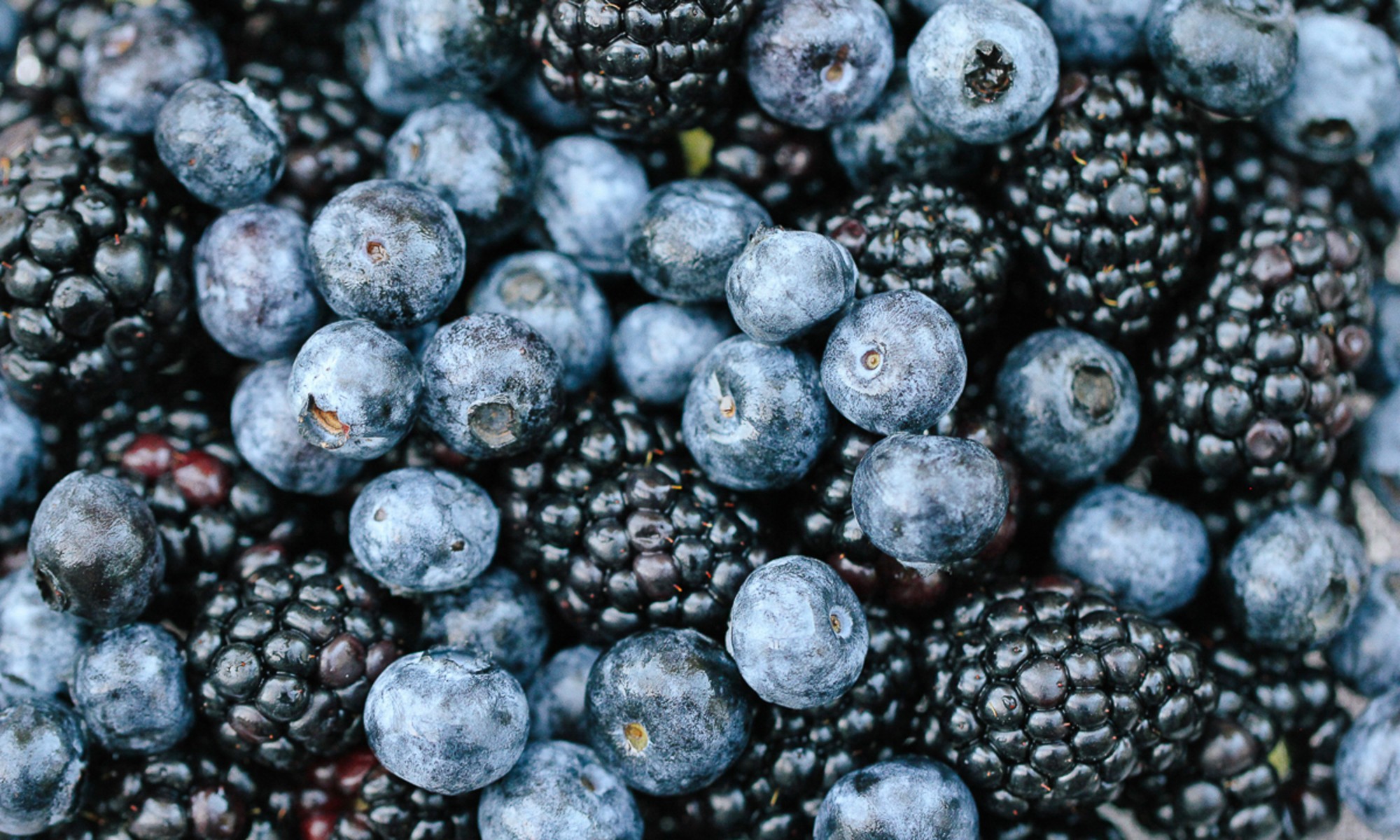
- Berries. Specifically dark ones. Blueberries. Strawberries. The color comes from anthocyanins. These are the heavy lifters for memory and executive function in trials.
- Cocoa. Not the Hershey’s bar. Flavanol-rich cocoa. Minimally processed. Unsweetened. The data here is consistent across multiple mental tasks.
- Tea. Green. Black. Flavonoids. The results vary but the association with cognitive health in observational studies is solid.
- Olive Oil. Extra virgin. It provides hydroxytyrosol. It is a staple in both MIND and Mediterranean diets.
- Coffee. It makes the list. Chlorogenic acids are the star here. The evidence isn’t as thick as the berry data, but it’s there.
Does Your Diet Pattern Matter More Than Individual Ingredients?
Yes.
The Mediterranean and MIND diets aren’t popular because one superfood fixes everything. They work because of the combo. The synergy.
Your gut biome eats what you feed it. The diversity of plant compounds creates a protective net that a single supplement cannot mimic.
So do you need to change everything overnight?
No. The goal isn’t a radical purge. It is consistency. Add berries more often. Swap butter for olive oil. Drink the tea instead of the soda.
Polyphenol-rich patterns are the key.
We still don’t have all the answers on the molecular level. Researchers are still mapping how these interactions work. But the direction is clear.
Eat the food. Not the extract.
What will you do at lunch today?