Iron is a vital nutrient, essential for oxygen transport, energy levels, and overall well-being. Yet, iron deficiency remains the most widespread nutritional shortfall globally. Fortunately, increasing iron intake is achievable through dietary adjustments and informed choices. Here’s how to ensure you get enough:
1. Prioritize Iron-Rich Foods Daily
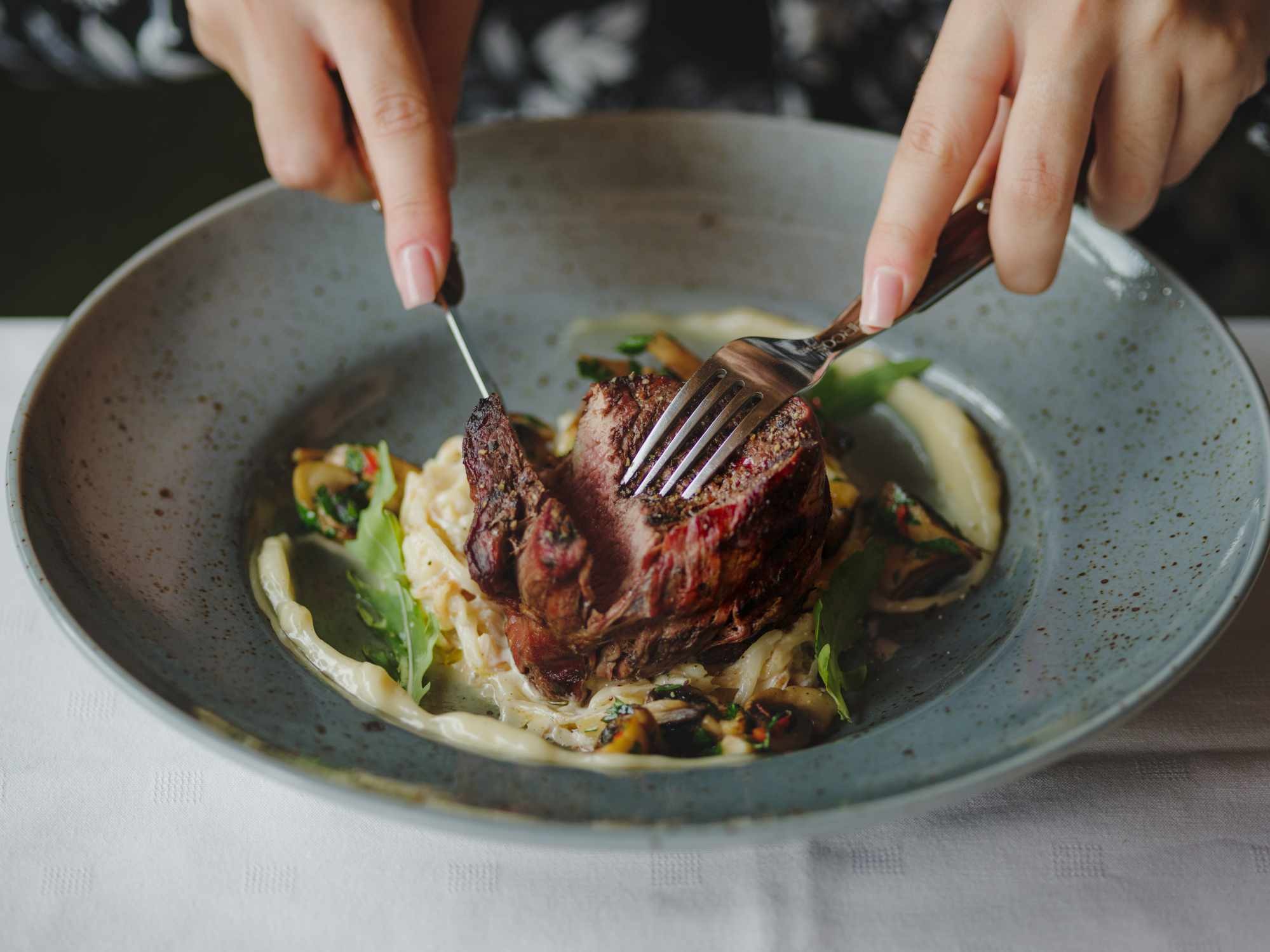
The most effective way to raise iron levels is to consistently include iron-rich foods in your diet. Iron comes in two forms: heme (from animal sources) and non-heme (from plants). Heme iron is absorbed more efficiently, but combining both types ensures a broader range of nutrients.
Key sources include:
- Red meat, poultry, and fish
- Beans and lentils
- Tofu
- Spinach and dark leafy greens
- Dark chocolate
Eating heme iron alongside plant-based foods enhances absorption, maximizing your body’s iron uptake.
2. Enhance Absorption With Vitamin C
Vitamin C dramatically boosts iron absorption, especially from plant-based sources. Pairing iron-rich foods with Vitamin C-rich options is a simple yet powerful strategy.
Consider these combinations:
- Beans and lentils with tomatoes or bell peppers
- Spinach with citrus fruits or strawberries
- Tofu with citrus-based sauces
This is particularly crucial for vegans and vegetarians, who are at higher risk of iron deficiency.
3. Leverage Cast Iron Cookware
Cooking in cast iron pans adds small but significant amounts of iron to your food. Acidic foods (like tomato sauces or stews) absorb iron more readily when cooked in cast iron. This method is a passive way to increase iron intake without altering your diet.
4. Choose Iron-Fortified Foods
Fortified foods, like breakfast cereals, bread, and plant-based milks, offer an affordable way to boost iron levels. These options are especially valuable for those who don’t consume animal-based iron sources.
Common fortified foods include:
- Breakfast cereals
- Bread and pasta
- Rice and grains
- Soy milk and tofu
Regular consumption can help prevent deficiency.
5. Avoid Absorption Blockers During Meals
Certain substances interfere with iron absorption. Calcium, zinc supplements, coffee, and tea can all hinder iron uptake if consumed at the same time.
To maximize absorption:
- Wait at least two hours after taking calcium or zinc supplements before eating iron-rich foods.
- Avoid coffee and tea with meals.
- Be mindful of high-fiber foods, which can also reduce absorption.
6. Consider Iron Supplementation
For those with severe deficiencies or specific needs (heavy periods, plant-based diets), iron supplements may be necessary. While dietary adjustments are ideal, supplementation can rapidly restore iron levels. In severe cases, intravenous iron infusions may be required if oral supplements are ineffective.
Why Iron Matters
Iron isn’t just about preventing anemia; it’s fundamental to overall health. It carries oxygen throughout the body, fuels energy production, supports immune function, and aids in neurological development. Low iron leads to fatigue, weakness, headaches, and cognitive impairment.
By implementing these strategies, you can effectively manage your iron intake and maintain optimal health.