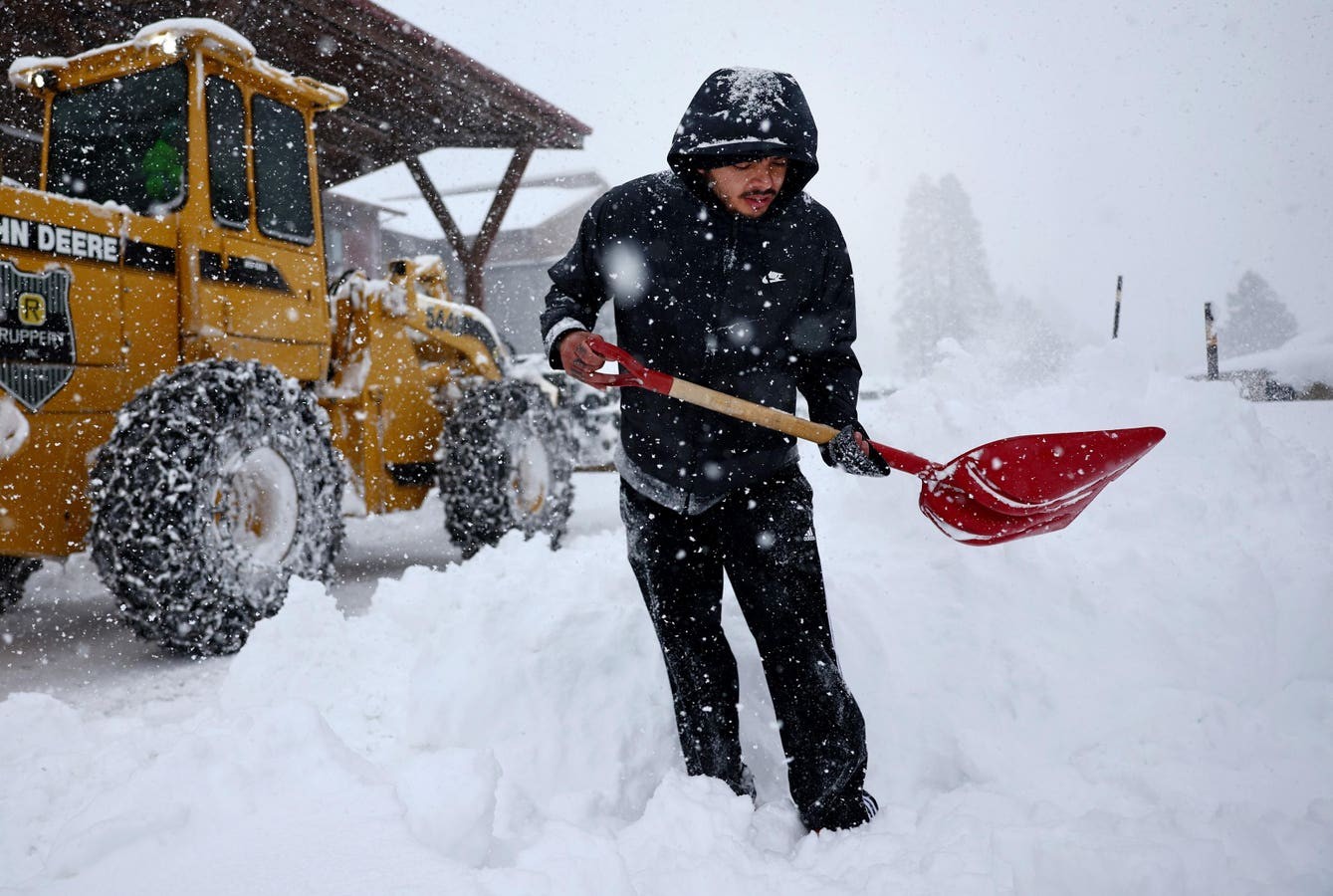
A major winter storm is forecast to hit much of the United States this weekend, bringing heavy snow, ice, and dangerously cold temperatures. While emergency rooms tend to be quiet during storms, a predictable surge in patients occurs in the hours and days afterward. This isn’t about the immediate impact of the storm; it’s about the preventable injuries and illnesses that follow.
Why this matters: Post-storm ER visits aren’t random. They’re driven by predictable risks – heart strain from shoveling, falls on ice, carbon monoxide poisoning, and cold-related emergencies. Understanding these risks now can significantly reduce your chances of needing hospital care later.
The Hidden Dangers: What the Data Shows
Research consistently demonstrates the post-storm health impact. Cardiovascular admissions jump 23% after heavy snow, cold-related visits remain elevated, and falls spike by 18% in the week following even moderate snowfall. Ice storms are particularly dangerous, leading to more injuries than snowstorms alone. Power outages exacerbate these risks, creating a cascading effect of preventable emergencies.
Six Steps to Stay Safe After the Snow Stops
Drawing from years of experience as an ER physician, here’s how to avoid becoming part of the post-storm surge:
1. Carbon Monoxide: The Silent Killer
When power fails, people turn to dangerous alternatives for heat. Generators used indoors or too close to homes, grills, and camp stoves all produce carbon monoxide – an odorless, colorless gas. Snow can also block furnace vents, causing backdrafting.
Symptoms start with fatigue, dizziness, and nausea, mimicking the flu. Severe poisoning leads to disorientation, unconsciousness, and death. Never run generators inside or in enclosed spaces. Ensure working carbon monoxide detectors are installed and tested.
2. Shoveling Snow: A Cardiac Stress Test
Shoveling is a major post-storm risk. An estimated 11,500 Americans end up in the ER each year due to snow shoveling, with 1,647 deaths documented over 17 years. Cold air constricts blood vessels, and heavy lifting spikes heart rate and blood pressure.
Treat shoveling like intense exercise : Pace yourself, lift small amounts, and take frequent breaks. Stop immediately if you feel chest pressure, shortness of breath, or pain radiating to your arm or jaw.
3. Ice: The Literal Fall Hazard
Post-storm falls are dramatically higher than normal. A Philadelphia study found fall injuries were 13.4 times more likely after snow. These often result in wrist fractures (“FOOSH” injuries) or head trauma, particularly dangerous for seniors.
Walk like a penguin : Short steps, feet slightly apart. Remind elderly neighbors to stay indoors until paths are cleared. Hip fractures from falls can lead to long-term complications.
4. Driving on Ice: A Gamble Not Worth Taking
The most dangerous driving conditions occur after the snow stops, when black ice forms. Thousands of crashes and hundreds of fatalities happen yearly on icy roads.
If possible, wait for road crews to clear the roads. If you must drive, slow down, increase following distance, and avoid sudden movements. Keep your gas tank full and pack a winter kit: blankets, food, water, flashlight.
5. Cold Injuries: More Than Just Frostbite
Hypothermia and frostbite aren’t just for adventurers. Cold-related hospital admissions jump 3.7-fold during heavy snowfall and remain elevated for nearly a week.
Frostbite ranges from numbness to blackened, dead tissue. Hypothermia starts with shivering but progresses to confusion and drowsiness. If you suspect frostbite, warm the area gently and seek medical attention. For hypothermia, call for help immediately if someone is confused or drowsy.
6. Check on the Vulnerable: A Community Responsibility
The greatest risks fall on those least prepared: older adults, people living alone, and those without reliable heat or power.
A simple call can save a life. Ask if they have heat and a safe way to cook and charge their phones. Help them problem-solve before conditions worsen. Storm risks don’t end when the snow stops; they amplify existing inequalities.
The bottom line: Winter storms pose predictable, preventable dangers. By understanding these risks and taking simple precautions, you can protect yourself, your loved ones, and reduce the strain on already burdened emergency services. Prioritize safety before, during, and after the storm.