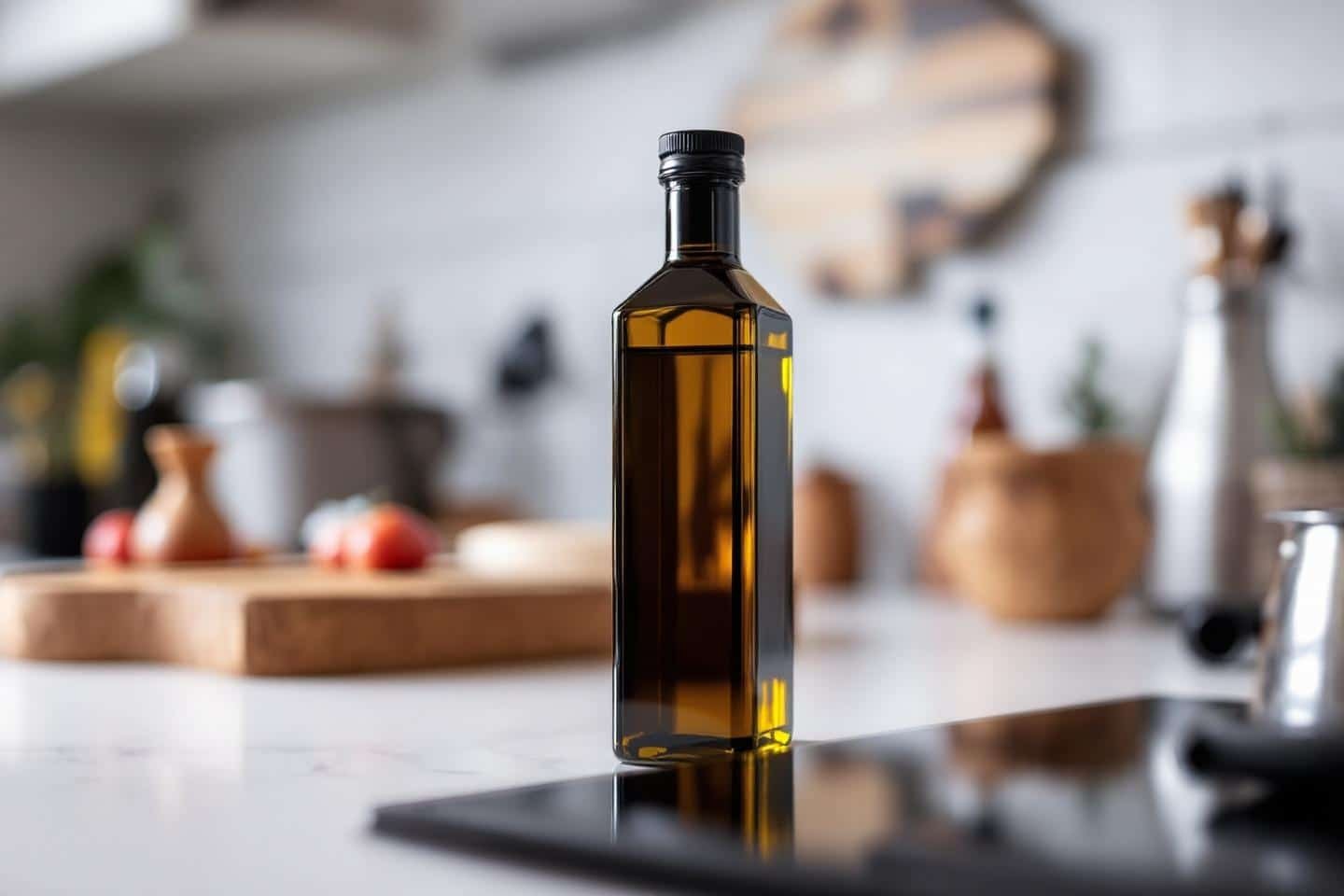
The lighting in the kitchen is dim. Winter is coming. You take a bottle of oil and fry a vegetable stew. This is a normal moment. However, your choice here is more important than you think. Sunflower oil has dominated French pantries for decades. This advantage is no accident. It is built on habit, price, and neutrality. However, this neutrality masks biological costs.
We need to talk about why your favorite cooking oil is harming your body’s natural defenses.
The dominance of sunflower oil in French kitchens
Go to the supermarket aisle. Look for large opaque bottles. Sunflower oil is everywhere. It is very cheap. At hand. This is well known. In many households, this is the default choice for everything from roasting root vegetables to making vinaigrettes.
This setting is not new. This is a generational issue. Grandparents used it for gratins and pot-au-feu. The smell and neutral taste bring to mind comfort and home. These habits are hard to break. It gives you a sense of security. We cook with what we know. We believe in routine.
But routine is not the same as health. The versatility of sunflower oil is both its biggest selling point and its biggest drawback. Tolerates heat well. Does not interfere with cooking. It fits into modern lifestyles where convenience is king. However, convenience often comes at the expense of nutritional quality.
The hidden inflammatory potential of sunflower oil
The problem is the chemical composition. Sunflower oil is very rich in omega-6 fatty acids. Omega-6 is an essential fat. Your body needs them to function. They play a role in brain health and the structure of cell membranes. The problem is the relationship.
Modern diets are rich in omega-6 fatty acids. Sunflower oil is a primary source. At the same time, the intake of omega-3 fatty acids is still very low. This imbalance creates an inflammatory environment in the body. Inflammation is not necessarily a bad thing. Acute inflammation can heal wounds. Chronic inflammation destroys tissue.
“An imbalance between omega-6 and omega-3 fats promotes the development of pro-inflammatory zones that exacerbate chronic disease.”
This risk increases in winter. We cook more. We use more oil. We sit indoors. If you don’t have enough omega-3 fatty acids in balance, the cumulative effects of a high omega-6 intake can strain your immune system. It doesn’t mean you’ll get sick tomorrow. This means that the body is constantly exposed to low intensity stress. Over the years, this leads to the development of chronic inflammatory diseases.
Omega 3 and Omega 6: Understanding the Critical Relationship
The Western diet has shifted dramatically. We consume large amounts of refined oil, processed foods and processed meat. Plenty of omega 6. The human body has evolved under different conditions. Balance required.
Current research indicates an ideal ratio of omega-6 to omega-3. Most people are still far from this goal. Their consumption ratio is 15:1 or even 20:1. The ideal ratio is usually lower, perhaps closer to 4:1 or 1:1.
The difference is more than just numbers. It affects the functioning of the cells. High levels of omega-6 interfere with normal cell signaling. They favor pathways that lead to inflammation. Lower omega-3 levels mean less anti-inflammatory neurotransmitters. The result is a body that struggles to calm itself down.
The brain suffers. The immune system falters. The joints ache. This is not fear mongering. This is basic physiology. The oil you pour into your pan contributes to this balance.
A great alternative for winter cooking
You don’t have to give up cooking. The fuel must be changed. The transfer should be done in stages. Start by switching your sunflower oil to one with a higher fatty acid content.
Olive oil is of course the first step. Extra virgin olive oil contains a lot of monounsaturated fats. Contains antioxidants such as polyphenols. Stable at moderate temperatures. It does not burn easily in gentle sautéing. Its taste adds depth to winter dishes. Roasting vegetables becomes delicious with olive oil. Soups benefit from it.
Canola oil is also a good candidate. It has a better balance of omega-6 and omega-3 than sunflower oil. It is rich in vitamin E and has a light taste. Goes well with spices and pastries. It is less assertive than olive oil. This makes it versatile for recipes that don’t require a strong olive flavor.
How to replace sunflower oil without losing texture and flavor
Changing oils can feel risky. What if the food tastes different? What if the structure changes? The answer is often easier than you think.
Extra virgin olive oil is suitable for slow cookers and stews. It is very durable. Adds flavor to food. Taste also becomes part of the meal. This is not a fault. This is an improvement.
Use this mixture to make baked goods and cold sauces. Mix olive oil with canola oil. Canola provides structure and neutrality. Olive oil adds health benefits and complexity. The result is a familiar taste, but nutritionally superior product.
Try adding a little canola oil to your soup. It adds richness without being heavy. Use olive oil for your winter vinaigrette. The acidity of the vinegar brings out the fruity taste of the olive oil. The palate adapts. You might like the new flavor better.
Read Tag: Smarter Shopping Strategies
Grocery stores are a minefield of misinformation. Labels can be misleading. Terms like “vegetable oil” often refer to soybean oil or sunflower oil. “Specialty cooking oils” can be refined blends with little nutritional value.
Read the ingredients list. Search for specific names. “Extra Virgin olive oil” means unrefined olive oil. Preserves natural compounds. “Cold pressed” is a good quality indicator. Refined oils are processed at high temperatures. This takes away nutrients from it. A neutral product with no health benefits is created.
Olive oil is essential for winter cooking. Use canola oil for dressings and baking. Varies throughout the year. Vary your fat intake. This simple switch can improve your overall nutritional status.
These changes are subtle. They accumulate. It doesn’t mean changing your lifestyle completely. You will be able to make smarter choices in the kitchen. Over time, your health will improve as a result. The taste becomes richer. The body feels lighter.
It starts in the bottle. It ends with better vitality.
Why changing cooking oil is important for winter health
Some of the simplest diet changes you can make this season involve the pantry, not the pharmacy. Replacing your standard bulk sunflower oil with a more balanced alternative is a small step, but the benefits are huge. It’s not just a matter of taste. This is because it reduces inflammation throughout the body and gives the digestive system a break.
You may not notice it right away, but the effects are cumulative. Digestion is light. Constant energy level. When the temperature drops, the immune front gets a little stronger. None of this is a miracle. These are the results of your body getting different types of fats. The goal here is not perfection. It’s awareness.
How to start cooking in a different way without stress
You don’t have to renovate your entire kitchen overnight. First, look at what you use most often. Sunflower oil is cheap and plentiful, but it’s often high in omega-6 fatty acids, which can cause inflammation if out of balance with omega-3 fatty acids. This is the main reason to switch.
Consider the following substitutions based on your cooking style.
- For stir frying at a low temperature: Extra virgin olive oil remains a reliable staple. It is very resistant to moderate heat and provides polyphenols with anti-inflammatory properties.
- For cold sauces: Walnut or linseed oil adds an earthy depth and significantly omega-3 boost. Never heat these oils.
- For preparation at high temperature: Avocado oil or refined coconut oil can withstand high temperatures without breaking down into harmful compounds.
Diversity is key. By rotating your oils, you ensure that you are getting a wider variety of nutrients rather than filling your body with one type of fat.
Why winter is perfect for adjust your fats
Cold weather changes how our body works. Inflammation spreads more easily. Energy levels drop. Your immune system works harder to keep you warm and protected. This makes the quality of fat intake even more important than in the summer.
Think holiday meals. Rich stews. Roasted root vegetables. Hearty soups. Although these foods are comforting, preparing them with oils that do not support metabolism can be heavy on digestion By using healthier fats, your body can process these meals more efficiently. You can get the comfort without feeling sluggish.
“It’s not about removing fat, it’s about choosing fats that support the body’s natural defenses in cold weather.”
Practical steps for your winter kitchen
Start small. Pick one recipe this week. Maybe a winter soup or a side dish of roasted vegetables. Replace the standard oil with something new. Taste the difference. Notice how you feel after an hour. Feeling bloated? Or is it light?
Your taste buds adapt quickly. Your body will thank you for the reduced inflammatory load. This is not a medical prescription. This is a change of perspective. You become an active participant in your health, one meal at a time.
There is no need to fear the cold or the heavy foods that come with it. You need the right tools for your kitchen. The next time you reach for your oil bottle, pause. Choose wisely. The difference will show on your plate and ultimately in your body.