The history of Rocky Mountain spotted fever does not match its current location. The name refers to a disease that occurs in the highlands and rugged mountains. It was first described in the United States in the Rocky Mountain region. Idaho and Montana were early centers.
But the map has changed.
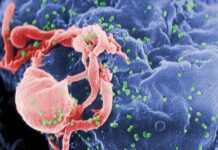
Currently, the disease is most common on the east coast. It can be found in any state. It is also found elsewhere in North America. It is also endemic to Central and South America. The bacterium Rickettsia rickettsii that causes this disease. It can be spread by ticks.
This disease has different names depending on the region. In Brazil it is called São Paulo fever. In Colombia it is known as spotted fever or Tobia fever.
Timing is consistent. The peak of the disease is in summer and early autumn. In this case, the ticks are active.
How the transfer works
The relationship between the disease and the vector is direct. Certain species of ticks transmit this bacteria. They transfer pathogens to humans. Infection can occur after a bite.
Names are historical artifacts. It does not reflect current trends. More cases are now occurring in the eastern United States. This change surprised many public health observers.
Why does this name stick?
The historical nomenclature has been preserved. It is still standard medical terminology. This can mislead patients. They may not seek help in low-risk areas. They may have thought that the disease was rare outside the mountains.
Geography is important. tick populations vary along the east coast. These ticks also spread bacteria. The environment supports the life cycle.
This disease is not limited to the United States. It heads south. Brazil and Colombia have their own terms. This reflects local awareness of the disease. It shows the extent of the disease.
What you need to know
Summer and early autumn are risky times. In this case, the ticks are activated. Prevention is important in times like these. These bacteria can cause inflammation of blood vessels. Symptoms can be severe.
The name is a trap. Indicates a restricted area. Reality is universal. Every state has reported cases. This changes the way you look at risks.
You can’t just rely on the name. You need to understand vectors. The source is ticks. In the right season, they are everywhere.
This disease is real. This is serious. This is not just a mountain issue. This is the problem of summer.
The name remains. Geography moves. Bacteria are here to stay.
What happens when the seasons change? ticks wait.
Ticks, infections and tricky symptoms
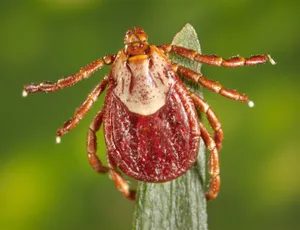
The story of Rocky Mountain spotted fever starts with the vectors. In western North America, the wood tick (Dermacentor andersoni ) does the heavy lifting. Adults are attached to large mammals, especially cattle and sheep. Moving east and south, the common dog tick (Dermacentor variabilis ) becomes dominant. They bite people and carries the bug. If you live in the southwestern United States, the lone star tick (Amblyomma americanum ) may be the culprit. Amblyomma cajennense, which crossed the ocean and arrived in Brazil, became the main spreader.
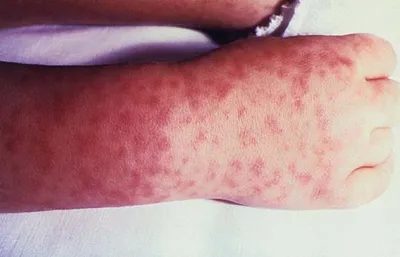
The beginning is brutal. Headache. Fever. Chills. These were the first hits. Next comes bone and joint pain, weakness and heavy, pulling fatigue. The rash appears during the first week. It starts from the limbs and moves inwards towards the body. It is more common than the rash seen in epidemic typhus. It covers both the body and the face. In some patients, the color may darken after a day or two. In the worst case, it will turn purple due to blood.
By the end of the week, symptoms of encephalitis appear in severe cases. Patients may become irritated. insomnia. A state of confusion. Breathing becomes difficult. Circulation fails. Gangrene can occur in the hands and feet. The condition can become so severe that amputation may be necessary. The absolute worst case scenario is a coma. Death. But most people don’t Death. The fever gradually abates. Recovery is slow. It is often accompanied by visual disturbances, hearing loss and delirium.
Is the damage permanent? Usually not. The case-fatality rate varies directly with age. Older patients are at greater risk. A young body recovers easily.
Early antibiotic treatment makes all the difference. It can shorten the course of the disease. The risk of death decreases. Prevention depends on personal care. Protect yourself from tick bites. If you have been exposed to a known infested area, check your clothing and body frequently. Ticks do not attach quickly. It crawls about for hours. The probability of infection is directly proportional to how long the tick feeds. Remove ticks. Wipe the skin with disinfectant.
At the end of the 1890s, the disease was known as black measles. The name comes from the dark purple rash that appears in some affected individuals. American pathologist Howard T. Ricketts discovered the microorganism that causes this disease in 1906, which led to the understanding of other rickettsial diseases.
Why early detection is important
The possibilities for intervention are narrow. When the rash appears, the clock is ticking. Antibiotics are most effective when started as soon as possible. Delaying treatment increases the risk of serious complications. gangrene. Organ failure. Nerve damage. These are not abstract risks. These are actually the result of an untreated infection.
Ticks themselves are patient hunters. they are not in a hurry. they investigate. They are looking for a good place to eat. This gives humanity a chance. window of opportunity. If the tick is caught before it attaches, the risk is greatly reduced. If they continue to eat for several hours, the risk increases rapidly.
What kind of ticks are there in your area? Know your local vectors. Western wood tick. Dog ticks live in the east and south. Lone star tick in the southwest. Amblyomma cajennense, from Brazil. Information is the first line of defense.
Does the rash always look the same? No. Some people may see pink spots. Some people may see dark purple bruise-like marks. Progress is key. From the limbs to the body. Facial involvement. The color becomes deeper. These are all signs.
Can it be passed from person to person? No. This disease is not contagious from person to person. It requires the tick. vector. bridge.
Recovery is often incomplete in the short term. Deafness. vision problems. Confusion. These can last. Eventually they disappear. But the waiting time is long. Your body needs time. Your brain needs time. Nerves take time.
Howard T. Ricketts discovered this microorganism in 1906.