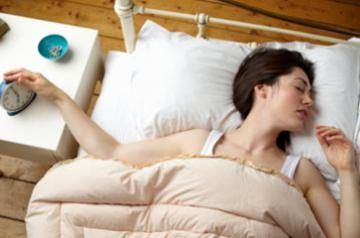
We do it every night. We assume it will happen automatically. But ask yourself: Do you really know how to fall asleep, or are you just hoping for the best?
Most of us treat sleep like a light switch. Flip it, and darkness follows. In reality, falling asleep is a physiological process that requires preparation. Without it, you’re likely to experience short, fragmented rest periods that leave you feeling tired the next day.
Think about Henry. He is the archetype of the modern employee. He runs through his work and then rushes home to take care of a never-ending mental to-do list. He ignores the first signs of fatigue. He waits until it’s too late, until his eyes are burning and his shoulders are tense, before he even thinks about going to bed.
Then an error occurs.
Henry brushes his teeth. He pulls back the sheets. He lies down. He expects his body to immediately go from a “high performance state” to a “deep rest state.” It doesn’t work. He was driving his nervous system at 80 miles an hour all day. Hard braking does not stop the car; it just causes slippage. His mind races. His body tenses. He lies there frustrated, waiting for the sleep that never comes because he never signaled to his biology that it was time to rest.
This isn’t just bad luck. It’s a lack of strategy.
More than half of the US population reports sleep disturbances. An important reason? They view sleep as an afterthought rather than a priority that requires daily management. To fix this, you need to stop guessing and start preparing.
Four pillars for better sleep
Maximizing your sleep doesn’t mean taking pills or buying expensive mattresses. It’s all about behavioral architecture. You need to target four specific areas to ensure your body is ready for rest:
- Preparation for the day: Your morning habits set the stage for the night.
- Deliberate Scheduling: You need to define when you sleep, not just when you go to bed.
- Relaxing before bed: You need a routine that actively lowers your arousal level.
- Environmental Management: Your bedroom should be a refuge, not a source of stress.
Start your preparation while you are awake
As soon as you open your eyes, the sleep clock starts ticking. Decisions you make between 7:00 a.m. and 7:00 p.m. determine the quality of your rest at 11:00 p.m.
If you want to sleep deeply, you can’t wait until you’re exhausted to take care of your sleep hygiene. The foundation must be made earlier.
One of the most effective means is physical activity. Exercise is an effective sleep aid, but timing is important. Exercising too late can raise your core temperature and adrenaline levels, further delaying sleep. Finding a suitable time window for training is the key to adapting your circadian rhythm to the day-night cycle.
Reality check
Sleep is not magic. It’s biology.
If you neglect to prepare, you are fighting your own physiology. You are asking a stressed, over-caffeinated, adrenaline-fueled body to shut down. It doesn’t know how.
By shifting your attention to the decisions you make during the day, you give your body the signals it needs to transition smoothly into rest. It’s a skill. Like all skills, it takes practice. And unlike a light switch, it takes time to build.
This content is for information only. It is not intended as medical advice. The editors, writers, or editors assume no responsibility for the consequences of any treatment, procedure, exercise, dietary change, activity, or medication that may result from reading or following this information. This publication is not medical practice and is not a substitute for the advice of your physician or other healthcare provider. Before starting treatment, the reader should ask their doctor or other healthcare provider for advice.
Plan your workouts to improve your sleep
The connection between physical activity and rest is often misunderstood. Many people don’t go to the gym because they feel tired, but fatigue can actually be caused by poor sleep quality. It’s a circular problem that keeps many people stuck in a cycle of low energy.
Exercise is frequently the habit with the best intentions but the worst execution. Everyone knows it promotes heart health, strengthens bones and lowers blood pressure. It also helps manage stress and improves mood. But there is another significant benefit: regular exercise promotes deeper and more restful sleep.
The catch is when and how you move. When it comes to sleep hygiene, not all exercises are created equal.
When to exercise to improve sleep
If you’re wondering what time of day offers the best sleep-promoting effects, the answer is not intuitive. Many people assume that working out at night will make them tired. In fact, vigorous exercise within three hours of going to bed can make it harder to fall asleep. Intensive training stimulates the heart, brain and muscles. It also raises the body’s internal temperature. Both effects are detrimental when you try to shut down.
Morning exercise certainly has its merits. It can reduce stress and elevate mood, which indirectly promotes better rest. You can influence your sleep cycle more directly by exposing yourself to natural light during these morning sessions. Sunlight helps regulate your body’s internal clock by telling you it’s daytime and reinforcing the rhythm needed for a good night’s sleep.
The Late Afternoon Sweet Spot
In order to directly improve sleep quality, intensive cardiovascular exercise in the late afternoon or early evening seems to be most effective. This timing may cause the body temperature to rise during exercise. A few hours later, as you prepare for bed, the temperature begins to drop.
The drop in body temperature is a biological signal that it is time to sleep.
This cooling process facilitates the transition to the resting phase. It’s not just about fatigue; it’s about physiological readiness.
Cardio exercise is important
The type of movement is decisive. The research shows cardiovascular exercise in particular. This refers to activities that raise your heart rate and keep your muscles working continuously for at least 20 minutes. While strength training, yoga, and stretching are valuable for overall health, they don’t offer the same sleep-enhancing benefits as cardio.
Aim for 20 minutes of moderate to vigorous cardio three to four times a week. The specific activity matters less than consistency. Walking to work, jogging, swimming, cycling or dancing – all count. The goal is to make it a regular part of your routine.
Proceed with caution
If you have pre-existing medical conditions, are clearly overweight or have been sedentary for a long time, contact your doctor before starting a new regimen. Start slowly. Gradually increase intensity and duration to avoid injury. Regular exercise improves appearance, well-being and sleep, but it should be approached with caution.
The interaction between sunlight and the sleep-wake rhythm is equally complex. The next piece of the puzzle is understanding how exposure to light affects your internal clock.
This content is for informational purposes only and does not constitute medical advice. Always talk to your doctor before making any changes to your exercise or health routine.
How morning light resets your internal clock
It feels backwards. Early sunlight helps you sleep at night. The logic applies because the two are locked in a cycle. The light gives the brain a signal to wake up. You know this if you’ve ever searched for a lamp in the dark and had trouble falling asleep. But exposure to light at other times? This is less obvious. Taking it early in the morning really improves a night’s sleep.
How does that work? Light regulates your biological clock. It keeps the internal timer on track. The clock is in your brain. It keeps track of time like a wristwatch. Except yours has a flaw. It has a built-in drift. Stay up late. Wake up late. You enforce that drift. Then you can’t fall asleep or wake up when needed.
You have to reset the clock every day. It must remain compatible with the Earth’s 24-hour rhythm. And your schedule. This reset is achieved by exposure to morning light.
Studies show that people who are without light for a long time experience dramatic changes. Their sleep, temperature and hormone cycles are disturbed. You likely won’t be completely deprived. But less morning light than necessary makes it difficult to fall asleep. It also makes waking up more difficult.
Light is the most important factor. Timing is important. Your internal clock responds best to sunlight between 6 and 8:30 am. Subsequent exposure does not produce the same benefit. The type of light is important. The same applies to exposure time. Direct sunlight outdoors for at least 30 minutes provides the greatest benefit. Typical indoor lighting for home or office? It has little effect.
There are specially designed light boxes. There are also visors available that simulate sunlight. Doctors often prescribe them for seasonal depression. This is a form of depression that occurs during the darkest winter months. Even the most powerful Light box is not enough to spend half an hour outside on a cloudy day.
You can’t control when the sun shines. You can manage your stress levels. That’s the next piece of the puzzle.
This information is for educational purposes only. This is not medical advice. Publishers and authors assume no responsibility for the consequences of following this information. It does not replace a doctor’s advice. Seek professional help before starting a new treatment.
How chronic stress robs sleep
Most people assume that stress is an occasional nuisance. That’s not it. It is a constant physiological condition that silently affects health and destroys the quality of sleep. The problem is not just the stress itself. It’s how we adapt to it.
Consider living next to a factory that blows nasty fumes into the air. The smell is overwhelming at first. It triggers anger. It disrupts your day. However, after a few weeks, your nose will stop complaining. You stop noticing. You won’t stop suffering either. Your body continues to absorb impurities. You just become desensitized to the annoyance.
Chronic stress works the same way. You get used to the busy schedule. You tune out the traffic. You ignore the tension in your shoulders. You may not realize how high your stress level is until you collapse. Or until you reach your breaking point. This constant, low-level exposure to stress makes deep recovery impossible. It affects your immune system. It raises blood pressure.
The idea that you can completely eliminate stress is a myth. As long as you live, you will face difficult situations. Avoidance is not the goal. The goal is management. The first step is to distinguish between what you can control and what you can’t.
If the boss sets an impossible deadline, you cannot change the deadline. You have no power over it. But you have power over your reaction. You can choose panic. Or you can choose a structured response. This difference is everything. When you focusing on your response, the power is back in your hands.
Therapists often point out that the body recognizes stress before the mind. Physical cues appear first. Tight jaw. Shallow breathing. A knot in the stomach. If you learn to interpret these signals during the day, you can intervene early. You can prevent stress from building up until it ruins your night.
Why does daytime stress keep you up at night? Because the brain has not processed the events of the day. Crawls into bed tired. You want to forget the day. But the silence of the night removes distractions. Thoughts arise. Emotions rise. You replay every mistake. You worry about every upcoming task.
When the brain detects stress, it triggers the fight-or-flight response. It releases hormones such as cortisol and adrenaline. These chemicals increase alertness. They prepare the muscles for action. This is useful when the dog is chasing you. It’s useless when you’re trying to sleep.
Without a physical threat, this heightened alertness has nowhere to go. It loops. You stay tense. You stay awake. By dealing with stressors immediately during the day, you reduce the mental clutter that keeps you up at night. You give your body permission to relax.
Stress management is the basis of good sleep hygiene. It is a prerequisite for rest.
This information is for educational purposes only. It is not a substitute for professional medical advice. If you have health problems, consult a doctor.
The Science of the Midday Reset
Napping is a polarizing topic. For some, it’s a daily necessity that restores vitality. For others, it’s a saboteur that wrecks nighttime sleep. The truth sits somewhere in the middle, hinging entirely on execution.
The biological clock has a specific agenda. The urge to doze hits hardest about eight hours after you wake up. This timing aligns with the first of two natural dips in body temperature, the other being the deeper drop at night.
Timing is everything.
A short nap in the early to middle afternoon acts like a system reboot. It boosts energy and alertness without side effects. Shift that window to late afternoon or early evening, and you invite trouble. It can disrupt your circadian rhythm, making it nearly impossible to fall asleep when you finally hit the pillow.
To get the most out of a nap, keep it under 30 minutes. And crucially, take it no later than mid-afternoon.
Why 30 minutes? Because longer durations push your brain into deeper sleep phases. Waking up from deep sleep feels terrible. You’ll be groggy, disoriented, and arguably worse off than before you lay down.
If you are severely sleep-deprived and cannot function without a longer rest, strategy changes. In that case, it is better to sleep for a full cycle. Most people need about 90 minutes to complete one cycle. This allows your body to process the sleep stages naturally, reducing that heavy, confused feeling upon waking.
Consistency helps too. If you find yourself needing a nap every single day, anchor it to the same time. Your body will eventually develop a rhythm that incorporates this rest period, making it feel less like an interruption and more like a scheduled break.
What if you lie down and just can’t sleep? Don’t stress. Simply resting with your eyes closed still helps. It restores some alertness and energy, even if true sleep doesn’t occur.
Strategic napping can also be a tool for managing sleep deficits. Say you know you’ll be up late for special plans. Take a prolonged nap of two to three hours earlier in the day. Studies show this reduces fatigue at normal bedtime and improves alertness. It might temporarily throw off your standard sleep rhythm, but the immediate benefit is clear.
If you are severely sleep deprived and can’t go on without a nap, it is better to sleep for a longer time to allow yourself to go through one complete sleep cycle.
Diet plays a role here too, though the connection is often overlooked. What you eat can lull you into slumber or keep you wired. We’ll look at how nutrition impacts your sleep cycle next.
This information is solely for informational purposes. IT IS NOT INTENDED TO PROVIDE MEDICAL ADVICE. Neither the Editors of Consumer Guide (R), Publications International, Ltd., the author nor publisher take responsibility for any possible consequences from any treatment, procedure, exercise, dietary modification, action or application of medication which results from reading or following the information contained in this information. The publication of this information does not constitute the practice of medicine, and this information does not replace the advice of your physician or other health care provider. Before undertaking any course of treatment, the reader must seek the advice of their physician or other health care provider.
The link between what you eat and how you sleep is complex, and science hasn’t fully mapped every direct pathway. But the general consensus is clear: a diet rich in fresh produce, whole grains, and lean proteins supports overall bodily function. This foundation helps mitigate chronic conditions like heart disease and diabetes. Since those conditions—and the medications often prescribed to manage them—can disrupt rest, wise eating habits serve a dual purpose: protecting your physical health and preserving your sleep architecture.
It’s not just about what you eat, but when you eat it. The standard American pattern involves a light breakfast, a moderate lunch, and a heavy dinner. This late-night feast is likely working against you. A large meal right before bed can cause discomfort, bloating, and heartburn, all of which fragment sleep. Reversing this pattern might offer a more sleep-friendly routine.
Shifting Caloric Intake to Earlier in the Day
Try making breakfast your main meal. After a night’s fast, your body needs fuel. A substantial morning meal sets the tone for energy levels and stabilizes blood sugar. Think whole-grain toast, yogurt, or fresh fruit. Lunch should be moderate, focusing on complex carbohydrates like brown rice or whole-grain pasta paired with protein sources such as fish, eggs, chicken, or beans.
Dinner should be light. Finish eating at least two hours before you plan to sleep, with longer being better. If you feel hungry before bed, look for specific late-night snack suggestions that won’t burden digestion.
Stimulants and Additives to Watch
Caffeine is the most obvious offender, but it’s not the only one. While some people can drink coffee all day and still sleep soundly, others are highly sensitive. If you struggle with insomnia, limiting caffeine is a primary intervention. Remember, coffee isn’t the sole source. Sodas, teas, chocolate, and even some over-the-counter headache medications contain stimulants. Reading labels is essential to identify hidden sources of stimulation.
Monosodium glutamate (MSG) is another potential disruptor. In sensitive individuals, this flavor enhancer—common in processed foods and certain Asian dishes—can trigger digestive upset, headaches, or other reactions that interfere with sleep. Avoiding it for a few weeks might reveal a noticeable improvement.
Hydration Strategies for Uninterrupted Rest
Water is critical for healthy bodily functions. Aim for about two quarts a day. However, timing matters. Consume the majority of your fluids by the end of dinner. A full bladder is a surefire way to cut into your sleep time. By front-loading your hydration, you reduce the likelihood of waking up multiple times to use the bathroom.
Alcohol deserves special mention. It may help you fall asleep initially by inducing drowsiness, but it often disrupts sleep later in the night, reducing the quality of rest you actually get.
Your daily routine extends beyond food. How you spend your waking hours also shapes your ability to rest.
Sleep does not respond well to chaos. It thrives on predictability.
Scheduling your rest time may seem rigid—like treating your pillow like a board meeting—but biology doesn’t care about your flexibility. It’s all about consistency. This isn’t just a lifestyle hack. It is the basic physiological requirement for deep, restorative rest.
The power of the bedtime ritual
We all have morning rituals. Coffee. Shower. Message check. These actions prepare the body for action. Why skip the equivalent for sleep?
The bedtime ritual is a sign. It tells your nervous system to shift downward. It switches from “doing” to “being”.
You probably already have habits. Brushing teeth. Lower the thermostat. Set an alarm clock. These are good anchors. But they need structure. Do them in the same order and at the same time every night.
Consistency creates a neurological bridge to sleep.
This is where most people fail. You engage in stimulating or emotionally charged activities right before going to bed. Assembling furniture? Paying bills? Browsing bad news? Do this earlier in the evening. Give your brain an exit ramp. When you rush through your routine because you’re stressed about a task, you’re carrying that stress onto the sheets.
A proper ritual provides closure. It calms the mind. The body follows.
Regularity cannot be negotiated
Some people assume that sleep schedules are for children. Children need structure. This also applies to adults who want to operate like well-oiled machines.
The goal is simple: go to bed and get up at the same time every day. Include weekends. Yes, even on Saturdays.
This regularity sets your circadian rhythm – the internal clock that regulates hormones, temperature and alertness. Varying bedtimes creates “social jetlag”. Your body doesn’t know what day it is. It stays in a state of low-grade confusion.
Stick to the six-week schedule. This is the typical time when the body adapts. Result? Sharp attention. Better mood. Higher energy levels. A stable sleep-wake cycle improves the quality of your sleep, which has a positive impact on the rest of your life.
Variability kills quality. Regularity builds it.
Your nightly ritual is just one piece of the puzzle. There are other levels to this process. We will explore them next.
Disclaimer: This content is for informational purposes only and does not constitute medical advice. It is not intended for diagnosis or treatment. Talk to your doctor or qualified healthcare provider before making any changes to your sleeping habits or health routines. The publishers and authors assume no responsibility for any adverse effects resulting from the use of this information.
The last hour before going to bed
The window that closes at bedtime is the most dangerous part of the sleep cycle. If you handle it right, you’ll drift away. Get it wrong and you’ll find yourself staring at the ceiling for hours. This bedtime routine isn’t just about being tired; It’s about giving your body a signal that the day is over.
Start by setting the scene. Your goal is a certain kind of rest. You need to silence the noise in your head before the lights go out.
What You Should Read
Don’t pick up the user manual for your new smart TV. Don’t read the news. Don’t read the email that made you angry. Choose something light. Magazine. A short story. Something that doesn’t require problem solving skills. It’s about letting the eyes work while the brain relaxes.
Music and Sound
Soft instrumentals work best for most people. It’s background noise, not foreground activity. Rock and pop often have a beat that captivates you. If music isn’t your thing, the sounds of nature can fill the silence without demanding attention.
Meditation and prayer
These are not only spiritual. They are tools for mental decluttering. If your mind is spinning, these exercises can help you let go of the day’s stress.
TV Trap
Television is a difficult ally. It can help you relax, but it can also keep you awake. Biggest mistake? Falling asleep with the TV on. You can nod off, but when it goes off (or you wake up to turn it off), you become awake again. This disturbs the continuity of sleep.
If you watch, do it earlier in the evening. Save your bedroom for sleeping. If you must watch TV before bed, keep it in the living room.
The warm bath paradox
A hot bath is a classic sleep aid. But it doesn’t work the same way for everyone.
Some people find that a shower or bath right before bed takes them straight to dreamland. Others find it too warm, too attentive, or simply too uncomfortable.
If a late bath keeps you awake, try putting it off. Take it two or three hours before going to bed. This allows your body temperature to drop naturally as you cool down. That drop is a biological signal that it is time to sleep. It mimics the natural decline in core temperature that occurs at night.
Let go of anger
You’ve just talked to a difficult relative on the phone. They criticize your life. You are angry. You stormed into your bedroom, crashing into your pillow and lying there seething with anger.
You can’t sleep. Your heart is pounding. Your mind is still arguing.
This is a common trap. The bed should not be a place of conflict or worry. If you are angry, don’t go to sleep. Stay out of the room until you have cooled down.
Write it down. Journaling can help you get your frustrations out of your head and onto paper. Use a relaxation technique. Breathe. Count. Do everything you can to lower the temperature in your chest.
Once you’ve calmed down, you can drift off to sleep.
Make the room a retreat
Preparing your bedroom for sleeping is as important as preparing yourself. The environment should support the peace you want to create.
- Keep cool.
- Keep it dark.
- Keep it quiet.
Small changes in your room can make a big difference in how quickly you fall asleep and how deeply you sleep.
“Your bedroom should offer a sense of peace and contentment.”
This is not medical advice. It’s a guide to building habits that support better sleep. Every body is different. What works for one may not work for another. Experiment. Find what helps you relax.
Perfection is not the goal. That’s progress. One night at a time.
If you have trouble sleeping, talk to your doctor. This information is for educational purposes only. It is not a substitute for professional medical advice.
Try these steps first. See what works. See what doesn’t work. Adjust. Repeat.
Sleep is a skill. It gets better with practice.
The night is long. Make it your own.
Why your bed should be just for sleeping
Your environment is as important as your routine. If you want to sleep better, you should see your bedroom as a sanctuary of rest, not as a multipurpose living space. Most people assume their bed is just for sleeping, but the reality is often messier. We watch TV in bed. We eat takeout on the pillows. We answer important calls and try to drift at the same time. We read, we play cards, we argue.
This fragments the brain’s association with the space. When you engage in non-sleep activities in bed, you train your mind to expect alertness, not sleepiness. You want the sheets to trigger a physiological shutdown, not a conversation or a plot twist.
Background noise trap
There is a subtle but significant habit to break: falling asleep to a timer on the television or radio. It feels like a security blanket. You listen to the monologue until your eyes close. But you’re probably fighting your own urge to sleep just to hear the end of a joke or the last chord of a song.
This creates a dependency. If you only fall asleep with background noise, waking up in the middle of the night becomes a crisis. The silence feels wrong. You may find yourself lying there struggling until you finally get up to turn on the device. This fragmentation destroys the continuity of sleep. Neither option improves overall rest.
Working in bed triggers stress
Some people try to catch up on emails or paperwork in bed. It may seem productive in the moment, but it’s sabotaging your physiology. Work stress gets wired into the bed. The sight of a pillow or the smell of a blanket can increase heart rate and muscle tension. Your mind races with unfinished tasks instead of slowing down.
Your bed becomes your workspace in your mind, not your place of recovery. This connection is hard to break.
Sex exception
There is one common exception to the “no activity in bed” rule: sex. But it all depends on how your body reacts. For many couples, sex is both relaxing and exhausting in a good way. It signals the body to sleep. If this applies to both partners, it can be an effective way to restful nights.
However, sex can also stimulate. For some, it increases alertness. For others, it brings relationship conflicts or negative emotions into the bedroom. If sexual activity leaves you feeling frustrated or wide awake, it is counterproductive.
Couples need to communicate. If sex is more stimulating than soothing, it is better to move it to another time or room. The goal is to protect the bed as a place to sleep, not as a place of unresolved tension or unwanted energy.
What if you still can’t sleep?
If you follow these rules and are still lying awake and tossing and turning, you need to take further steps. The next section covers strategies for ending the cycle of insomnia.
This content is for informational purposes only. This is not medical advice. The publishers and authors are not responsible for any consequences from following this information. This is does not replace the advice of a physician. Always consult your doctor before making any changes to your health routine.
Fighting sleep is the fastest way to ensure you stay awake. It sounds counterintuitive, but the harder you try to force your brain to shut down, the more alert it becomes. This is the core paradox of insomnia: you cannot make yourself unconscious.
When you lie in bed, staring at the ceiling and thinking about the next day’s tasks in your mind, you create an anxiety feedback loop. You think: I need to sleep now. Just the thought will wake you up even more. Sleep is not a muscle that can be flexed. It is a state of surrender. It requires an empty mind and a body that has forgotten it is supposed to be awake.
Bed association problem
Most people think that staying in bed is the right decision. When you are tired, you lie down and wait for gravity to pull you down. This is a mistake.
When you spend more than 20 minutes awake in bed tossing and turning, you start to condition your brain. The bed is no longer a symbol of rest. It becomes a symbol of frustration. It becomes a place where you lie awake worrying about how little sleep you’re getting. This is called conditioned insomnia. Your brain starts to associate the pillow with stress.
To break this cycle, you need to get out of bed.
When to get up
If you feel uneasy, stop trying. Get out of bed immediately. This is not a suggestion for the occasional bad night; It is a necessary step in chronic insomnia.
Go to another room. The goal is to associate wakefulness to a different environment, not your bedroom. Go to the kitchen. Drink a glass of water. Sit in a dim chair. Read a physical book – nothing on the screen. Do a puzzle. Sew. Draw. Do anything that is low-stimulation and calming.
The activity must not require intense concentration. You’re not trying to be productive. You are trying to induce boredom and mild fatigue.
Wait until your eyelids become heavy. This usually takes 15-20 minutes. If you try to return to bed while still wired, you reset the clock. You return to bed with the same anxiety. Wait for the natural dip in energy.
Why this works
This technique is based on classical conditioning. Removing sleep pressure lowers cortisol levels. By changing the location, you reset the environmental cues. The bed becomes safe again. It becomes a place to sleep, not to stare at the clock.
It feels uncomfortable at first. Sitting in a dark room when you really desperate to lie down takes discipline. But the alternative is to strengthen the neural pathway that says bed = awake = stressed.
Once you get over your initial restlessness, return to bed. If you don’t fall asleep right away, don’t panic. Just lie down. Let the body rest, even if the mind doesn’t. Lying in place is still beneficial.
This method does not address any underlying medical problems. It is a behavioral tool. When chronic insomnia persists, it’s a sign to look deeper. But the answer to the nightly battle between willpower and biology is always the same: stop trying. Relax. Walk away. Let sleep find you when you’re no longer looking for it.
Disclaimer: This content is for informational purposes only and does not constitute medical advice. Always consult a doctor if you have any personal health problems.
Sometimes the path to rest is paved with simple, low-effort choices. Other times, it requires active intervention. The spectrum of sleep hygiene spans from the mundane—eating a small bite before bed—to the more intentional, like deep abdominal breathing to slow a racing heart.
What to Eat (and Avoid) Before Bed
An empty stomach can be as disruptive as a full one. If hunger pangs strike as you are getting ready for bed, a light snack might be the key to sounder sleep. Research supports the idea that a small amount of food can stabilize blood sugar and prevent nighttime awakenings caused by hunger. The catch is the word “light.” You are not looking to stuff yourself.
There is no single magic food. Several theories exist regarding what works best. One classic suggestion is warm milk. This advice often stems from tryptophan, an amino acid found in dairy that helps the body produce serotonin. Serotonin is a neurotransmitter with calming, sleep-promoting effects. Tryptophan is also present in turkey, tuna, peanuts, and cheese.
Other experts point to carbohydrates. Foods like bread, potatoes, cereal, or juice may help by facilitating the transport of tryptophan into the brain, where it is converted into serotonin.
Minerals play a role as well. Magnesium and calcium have a calming effect on the nervous system. A slight deficiency in either can negatively impact sleep. Dairy provides calcium, while magnesium can be found in apples, apricots, avocados, bananas, peaches, nuts, and whole-grain breads.
Experimentation is necessary. What works for one person may not work for another. However, there are clear foods to avoid. Greasy, fatty, and spicy dishes often trigger heartburn, indigestion, or gas. Lactose-intolerant individuals should skip the warm milk or choose a lactose-free alternative. If MSG causes you issues, those takeout leftovers are not a good bedtime choice.
Active Relaxation Techniques
When the mind is cluttered, passive rest rarely follows. Active relaxation techniques are designed to deliberately clear intrusive thoughts, release physical tension, and induce a peaceful state. Two prominent methods are Progressive Muscle Relaxation and Abdominal Breathing.
Progressive Muscle Relaxation (PMR)
Muscles tense in response to stress, but they also naturally relax when that tension is released. PMR leverages this physiological response. The process involves tensing specific muscle groups for a few seconds, then releasing them completely.
To begin, lie on your back on the floor, a couch, or a recliner. Ideally, do this in a room other than your bedroom to avoid associating the practice with waking hours. Start at your toes. Scrunched them as hard as you can for ten seconds, keeping the rest of the body relaxed. Then, let go.
Move to your calf muscles. Tighten them, hold, and release. Proceed methodically up the body: thighs, buttocks, abdomen, chest, forearms, shoulders, neck, and face. Do not rush. The entire cycle should take at least twenty minutes. If you still feel tension afterward, repeat the sequence.
Abdominal Breathing
Rhythmic breathing is a powerful tool for relaxation. It is simple in concept but requires practice to execute correctly.
Lie on your back. Breathe normally for a moment. Place a hand on your lower abdomen, near your belt line. Slowly inhale, filling your lungs until you feel your abdomen rise under your hand. Take in as much air as is comfortable. Hold it for a couple of seconds. Then, slowly exhale, releasing all the air.
Focus only on the sensation of the air moving in and out, and the rhythmic rise and fall of your abdomen. Do not rush. Repeat this eight to ten times. The goal is to shift your awareness away from worries and into the physical act of breathing.
Visualization
Imagination can be just as potent as physical technique. Visualization involves imagining a scenario that evokes calm. This might be a favorite vacation spot—sitting on sand with waves washing over your feet, or diving off a coral reef. Alternatively, it could be a relaxing activity: drawing, cooking, hiking, or walking a dog.
The objective is to direct your mind toward something soothing rather than something worrying. Close your eyes and mentally “go” to that place or “do” that activity. By occupying your mind with positive imagery, you reduce the mental noise that often keeps people awake. It is not a guarantee of immediate sleep, but it creates the conditions for it.
The Role of Your Mattress
Your environment matters. Beyond snacks and breathing, the surface you sleep on plays a significant role in your ability to fall asleep and stay asleep. Choosing the right mattress is a critical, yet often overlooked, component of sleep hygiene.
We spend roughly a third of our lives asleep. Most of that time is spent on a mattress. Yet, many people ignore their bed until the springs start poking through the padding. This is a mistake. The surface you sleep on dictates the quality of your rest. And your rest dictates how you feel during the day.
It pays to pay attention. When you start looking for a new bed, you need to make specific choices. Firmness matters. The type of materials matters. The size matters.
Finding the Right Firmness Level
Soft and fluffy feels nice initially. But it might not be best for your body. Poor support leads to muscle stiffness. It can cause neck and back pain. Avoid mattresses with bumps, valleys, or depressions. These create uneven support.
Too stiff is also bad. A rock-hard surface puts pressure on your shoulders and hips. You need something in between. The ideal surface is gently supportive. It should mold to your body while still holding it up.
Mattresses do not last forever. They lose firmness over time. The average lifespan is about 10 years. Most people keep theirs longer. Once you see lumps or sags, replace it. Your back will thank you.
Mattress Types: Foam, Coils, and Water
Not all beds are the same. You have options. Understanding them helps you choose wisely.
Polyurethane foam mattresses come in various firmness levels. They are popular. But they often trap heat. Your body loses moisture while you sleep. If the foam does not breathe well, you will feel hot and sweaty. Air circulation is key here.
Innerspring mattresses use rows of tempered steel coils. These are layered with insulation and padding. The firmness depends on the wire thickness and coil count. More coils usually mean a firmer bed. Many people prefer this type. It stays cooler because air moves around the coils. They are also widely available.
Waterbeds are less common today. They do not breathe well. They tend to sag under heavy parts of the body. Some people love them. Others find them uncomfortable. If you are considering one, test it out first. Sleep on a friend’s or in a showroom. See if it meets your needs before you buy.
Size Matters More Than You Think
You have picked a type. Now, what size? Bigger is generally better. You do not want to fight for space. You do not want to get kicked or elbowed regularly.
A healthy sleeper moves 15 to 30 times during the night. Cramped conditions make this awkward. It can make sleeping frustrating. Some older research suggests that sharing a bed is less restful than sleeping alone. This effect grows as you age. Your sleep becomes more restless. You may need more room to move.
You have a few choices. You can sleep in separate beds. Or, you can get the largest mattress that fits your bedroom and budget. Some newer mattresses are designed to minimize movement. They reduce the disruption one partner feels when the other tosses and turns.
Try Before You Buy
Do not skip the in-store test. Salespeople expect you to lie down on their beds. This is part of the process. Assume your normal sleeping position. Stay there for a while. See how it feels.
If you have a partner, have them join you. Lie together. See how it feels with two people. Ask about a trial period. Many companies allow you to exchange or return the mattress if it is not right for you. This safety net is valuable.
Be picky. You will spend a lot of your life on that mattress. It deserves your attention.
This information is solely for informational purposes. IT IS NOT INTENDED TO PROVIDE MEDICAL ADVICE. Neither the Editors of Consumer Guide (R), Publications International, Ltd., the author nor publisher take responsibility for any possible consequences from any treatment, procedure, exercise, dietary modification, action or application of medication which results from reading or following the information contained in this information. The publication of this information does not constitute the practice of medicine, and this information does not replace the advice of your physician or other health care provider. Before undertaking any course of treatment, the reader must seek the advice of their physician or other health care provider.
Now that you have the right mattress, what about your pillow? Learn how to pick one on the next page.
Sleep preferences are very personal. Some manage to fall asleep with their head on a hard surface, but for most, the right pillow is non-negotiable. Your head weighs over 10 pounds. That’s a lot of weight to balance. The pillow should offer both support and comfort for the strain.
A high-quality pillow properly supports your head and neck. It keeps the cervical spine in line with the rest of your back. Misalignment leads to stiffness. Pain. Bad sleep. But there is no “best” pillow for everyone. Your sleeping position determines what you need.
Adjust the firmness of the pillow according to your sleeping style
Side sleepers have special requirements. You need a solid pillow. It needs to fill the gap between your ear and the mattress. If the pillow is too low, the neck tilts at an uncomfortable angle. If it’s too high, it will lift your head up. Both cause stress. A firm, supportive pillow keeps the neck neutral.
Back sleepers usually do better with a medium or firm pillow. It provides enough padding to support the natural curvature of the neck without pushing your head too far forward.
Stomach sleepers face the biggest challenge. Lying flat puts a significant amount of torque on the neck. You need a very soft pillow. Or no pillow at all. The goal is to reduce the rotation angle. Less stress means less morning pain.
Materials and allergies
Synthetic fibers and foam dominate the market. They are often better for allergy sufferers. They are also easier to wash. Durability varies, but maintenance is easier.
Down and feather pillows feel luxurious. They adapt to your shape. However, they can be problematic if someone is sensitive in bed. Before buying, check the allergens. A sneezing partner rarely helps you sleep better.
Special options: Orthopedics and anti-snoring treatment
Orthopedic pillows combat pain and stiffness. They are more expensive than regular options. Some health insurance companies may cover the cost if a doctor writes a prescription. You can find them in surgical specialty stores or medical specialty stores.
Then there are the “anti-snoring” pillows. Marketers make bold claims. In reality, they are rarely effective. Snoring is a complex problem. It can be due to anatomy, weight, sleep apnea or alcohol use. Stopping snoring with a pillow is usually a waste of money.
If snoring affects your or your partner’s rest, talk to your doctor. Fix the root cause. Don’t just try to hide it with foam.
When to change the pillow
Comfort is the ultimate measure. Just because someone else loves a rare camel hair pillow doesn’t mean it’s right for you. Experiment. Try different fills. Test different heights.
Pillows deteriorate. They lose their loft. They become flatter. When the support weakens, the quality of sleep suffers. If your pillow no longer bounces back or feels lumpy, it’s time to throw it away. There is no general expiration date. Some last six months. Others last two years. Let your neck tell you when it’s done.
Outside the pillow
Putting a pillow around your head to block out the noise is a desperate act. It compromises your neck alignment. It’s a short-term solution to a long-term problem.
Instead, control your environment. Remove the source of the noise. Control the light. Adjust the temperature. The goal is a uniform, safe sleeping space. How you manage that space is up to you.
This information is for educational purposes only. This is not medical advice. The authors and publishers take no responsibility for the consequences of using this information. Always consult a doctor before starting a new treatment or routine.
Managing Noise with White Noise
Complete silence is a myth for most sleepers. You probably spend your nights listening to the hum of distant trains, the low hum of air traffic, or the chaotic rhythm of neighborhood life. Even the early morning song of the local birds can disturb the peace. It is rarely possible to completely eliminate these sounds. A practical option is to mask them.
White noise machines offer a solution that is both affordable and effective. These devices produce a smooth and consistent sound that drowns out sudden, unpredictable noises. Unlike television or radio, where volume and content change, a white noise device creates a unchanging auditory backdrop. This consistency prevents the brain from triggering an wake-up response to every noise, no matter how small.
The resulting hiss or whoosh is often described as soothing. It is easy to adapt to, it acts as a sonic blanket that smooths out the harsh edges of your environment. Some models go a step further and offer recorded natural sounds such as rain or wind. Although pleasant, they can be too complex for some and can stimulate rather than soothe the mind.
These devices usually range in price from $50 to $150. They are available from specialty stores, mail-order catalogs and large department stores. If external noise is affecting your sleep, the logical first step is to invest in a special masking tool.
The Case for Keeping Pets Out of Bed
Pets are part of the family. That’s true. But sharing a bed with them comes at a cost.
Many owners find keeping a pet nearby a comfort. The warmth, the weight, the presence – it soothes. But it’s also disruptive. Pets move. They move. They nuzzle. When you toss and turn, they often follow or, worse, take up most of the mattress. The next morning, you may find yourself cornered as a dog or cat sprawls out, with zero regard for your comfort.
This movement is not always intentional. Just like people, pets also switch between different sleeping positions. If you are a light sleeper, these changes may wake you up. Then there are the pets that wake you up and keep you company. If you find a favorite toy on your pillow when you wake up, that’s a classic sign that your pet is looking forward to some interaction before bed.
If this sounds familiar, it’s time to reconsider the arrangement. Keep your bedroom door closed at night to prevent wandering. It creates a boundary.
Letting go of the idea that your pet needs to sleep in your bed can feel like a betrayal. It feels difficult. But your pet doesn’t love you any less. They adapt. You can both benefit from uninterrupted rest. Better sleep means better health for all family members. It’s a small sacrifice for peace.
Leaving the usual home environment brings with it new variables. Travel, new rooms, different schedules – it all adds up. How you manage your sleep on the road is just as important as how you manage it at home.
This information is for educational purposes only. It is not medical advice. Talk to your doctor before making any changes to your health routine.
The First-Night Effect and How to Hack It
Most people don’t sleep well in a four-star hotel. The bed might be plush. The sheets might be crisp. But your brain stays alert. This is the first-night effect. It is a real phenomenon where sleep quality drops significantly in a strange environment. The good news? It usually fades after just one night. Your brain gets used to the new sounds and smells. It stops treating the room as a potential threat.
If you are stuck traveling, you can trick your body into relaxation. Make the space feel familiar. Bring a pillow from home. Hang up photos of your family. These small cues signal safety to your nervous system. Keep your pre-bed routine intact. Read your usual book. Take your shower at the same time. Give your body the exact same signals it gets at home. Consistency matters more than comfort.
Sometimes, you might realize you sleep better away from home. That is worth investigating. What does the hotel room have that your bedroom lacks? No barking dogs. A firmer mattress. A complete break from daily stress. If you find a new spot works better, take notes. When you return home, try to recreate those conditions. Change your sheets. Add weight to your blanket. Silence the noise.
Screening for Noise Pollution Before You Move
Noise is a silent sleep killer. If you are moving, do not just look at the floor plan. Look at the environment. Check for noise pollution before you sign any lease or closing papers. A cheap apartment can cost you your health if it is next to a highway. A fancy condo might shake with every passing bus.
You need to be proactive. Here is how to spot a sleep-stealing location:
- Listen to the silence. Stand outside the prospective home. Notice what you don’t hear. Is the bedroom wall backing up to a neighbor’s patio? A basketball court? A barbecue area? Ask current tenants if the neighbors respect quiet hours. A barking dog every time someone walks by is a dealbreaker.
- Check the clock. Visit at different times. Daytime might be quiet. Evening? Late night? Weekends? A park might seem peaceful at 2 PM. It might be packed with noise at 8 PM. A tavern might serve quiet patrons until midnight, then roar after.
- Test the walls. If you are renting an apartment, ask to hear the neighbor’s TV. Thin walls mean shared stress. You cannot relax if you can hear their arguments or their reality shows.
- Map the traffic. Look at the bus routes. Check for truck corridors. A bus stop near the front door is convenient until you realize the whole building vibrates every hour on the hour. Even if you are miles from the airport, flight paths might dump low-flying planes directly over your roof.
High prices do not guarantee peace. Fancy addresses do not guarantee quiet. You cannot eliminate all noise. But you can avoid the worst offenders. Think about where you will rest. It is not a luxury. It is a necessity.
The Bottom Line
We all need sleep. It is non-negotiable. By understanding the first-night effect and screening your environment, you take control. You stop letting external factors steal your rest. Your health depends on it.
ABOUT THE AUTHOR
Virgil D. Wooten, M.D. serves as the medical director for the TriHealth Sleep Centers at Good Samaritan and Bethesda North hospitals in Cincinnati. He is a diplomat of the American Board of Sleep Medicine and a fellow of the American Academy of Sleep Medicine. With over 25 years of experience in research, clinical practice, and teaching, he is a recognized expert on sleep-related subjects.
This information is for educational purposes only. IT IS NOT INTENDED TO PROVIDE MEDICAL ADVICE. Neither the Editors of Consumer Guide (R), Publications International, Ltd., the author, nor the publisher are responsible for any consequences from any treatment, procedure, exercise, dietary change, or medication based on this content. This does not constitute the practice of medicine. It does not replace the advice of your physician or other health care provider. Consult your doctor before starting any new health regimen.