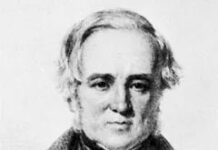
How Giacomo Berengario da Carpi revolutionized the anatomy of heart valves
Giacomo Berengario da Carpi changed the way we think about the human body. He was born About 1460 in Carpi, Italy, and died About 1530 near Ferrara. He was an Italian physician and anatomist. His name is associated with certain breakthroughs. He was the first to describe heart valves. This detail is important. It shifted anatomy from guesswork to observation.
He also drew medical texts from nature. This was unusual at the time. Most of the illustrations are copied from older texts. Berengario checked the sources. He drew what he saw. This approach gave his work weight. It moves medicine towards evidence.
His career has a solid foundation. He taught at the University of Bologna. He served in this position for a total of 25 years, between 1502 and 1527. This allowed him to influence many students. It also gave him time to develop his approach.
During this time, syphilis was widespread. It causes serious health problems. Berengario treated the patient with mercury ointment. This was common treatment at the time. Mercury is toxic. It caused side effects. However, it is also considered effective. By using it, he became famous. He was known among his colleagues for this treatment.
Why do we need to remember him today? Not just for the mercury. But for the valves. Heart valves regulate blood flow. They open and close with each beat. Before Berengario, its function was unknown. He mapped them out. He named these structures. This will allow future researchers to build on his discoveries.
His paintings are different. They showed texture. They showed shape. They are not artistic flourishes. They are records. This image style has become a standard. Helps doctors learn anatomy faster. Reduces anatomical errors.
The University of Bologna is a research center. Researchers came from all over Europe. Berengario is well suited to this environment. He challenges old ideas. He relied on what he could prove. It’s a slow transition. This didn’t happen overnight. But it happened.
Syphilis is still a problem. Mercury does not cure diseases. It is a management tool. Patients can survive with it longer. But the price is high. Heavy metal poisoning is real. Berengario knew it. He used it anyway. The medical world has followed suit. This is standard care. It lasted for centuries.
What will keep his legacy alive? valve. There are also drawings. They are special. They are visible. They showed that he was looking closely. He didn’t just read Galen’s books; he saw the body. This direct involvement is key. This set him apart from his contemporaries who trusted authority.
His research influenced later anatomists. Vesalius is often quoted. But Berengario appeared earlier somehow. He described the valves first. He illustrated them first. This prioritization is important. It shows the discovery timeline. It emphasizes the role of observation.
Heart valves are important. Without them, the blood would flow backwards. The heart would fail. Berengario discovered this mechanism. He explained how they worked. The explanation is simple. It is based on structure. The structure determines the action. This principle still holds true.
His tenure at Bologna ended in 1527. The reason is unknown. maybe he moved