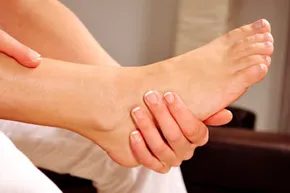
Smelly feet are rarely an isolated issue. They usually begin with sweaty feet, a condition that can have surprisingly embarrassing social consequences. While it might not be a life-threatening affliction, constantly damp socks suggest you may be dealing with hyperhidrosis. This is the medical term for excessive sweating. It is a real physiological condition, not just bad hygiene.
Botox is one of the more aggressive ways to treat it.
The Mechanics of Botox for Sweating
Botox, short for botulinum toxin, is famous for smoothing facial wrinkles. It works by paralyzing specific muscles. The same mechanism applies when dermatologists use it to treat hyperhidrosis. Instead of targeting facial muscles, the injection blocks the nerves that signal sweat glands to produce excess moisture.
The U.S. Food and Drug Administration (FDA) approved Botox for severe underarm sweating in 2004. That was a significant milestone. Since then, dermatologists have used it successfully for other areas. Hands, head, and face are common treatment sites. Feet are also a frequent target, even if the FDA approval originally focused on the underarms.
Why Feet Stink (And Hands Usually Don’t)
You might wonder why sweaty feet are a bigger problem than sweaty hands. Both hands and feet contain roughly 250,000 sweat glands. The volume is similar. The difference lies in where that sweat ends up.
Smelly feet are far more common because of your socks. Feet are trapped inside dark, warm shoes. Hands are mostly exposed to air. When sweat makes your shoes and socks damp, bacteria trapped inside start to feed. Sweat itself doesn’t actually smell. It is the byproduct of this bacterial feast that creates the odor. The bacteria excrete an organic acid. That acid is what gives off that telltale, unpleasant smell.
The Cost of Treatment
Botox shots for hyperhidrosis are not painless. The procedure involves multiple injections into the affected area. It may take more than one treatment session before you experience any significant results.
Patience is required. Even if the treatment works, the results are temporary. You will need to repeat the process about every four months. The effects wear off as the nerve blocks fade.
The risk of side effects from Botox for hyperhidrosis is generally minimal, though the procedure is not without discomfort.
First Steps for Diagnosis
Before jumping straight to injections, there is a necessary preliminary step. You need an appointment with a dermatologist. This is not just about getting a prescription.
A doctor must diagnose hyperhidrosis. They also need to ensure that the sweating and odor are not symptoms of another underlying condition. Once the diagnosis is confirmed, you can discuss available options. Botox is one of them. It is not the only one, and it may not be the first one recommended.
If you are dealing with excessive sweating, understanding the mechanics helps. Sweat doesn’t stink. Bacteria do. And while Botox can silence the signal to sweat, it is a recurring maintenance task, not a permanent cure. The search for a permanent solution continues, but for now, the four-month cycle remains the standard.