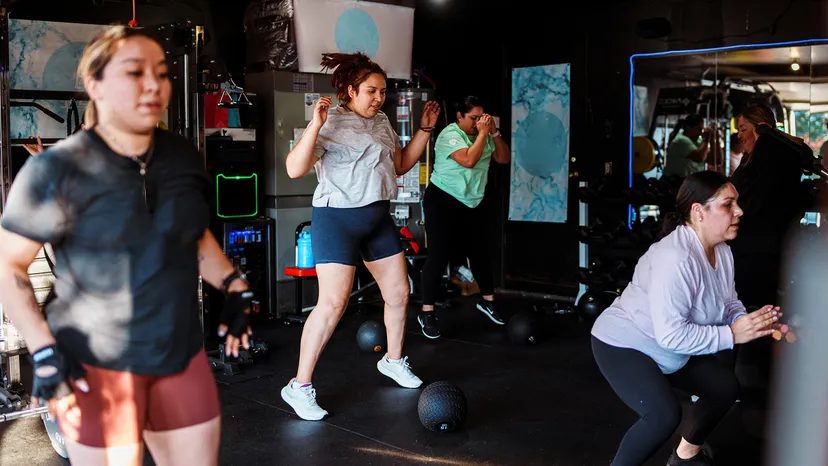
High-intensity interval training (HIIT) is not a trend. It is a method backed by exercise science that packs significant physiological benefits into short windows. You do not need to spend hours at the gym. You simply need to alternate between short bursts of intense effort and recovery periods.
This approach forces your heart, muscles, and energy stores to adapt quickly. A typical session lasts only ten to thirty minutes. The hard intervals often push your heart rate to 80 percent or more of its maximum. That is intense. But it does not have to feel like a movie montage.
Smart training scales the effort to your current fitness level. Research links this method to improved cardiovascular fitness. It also supports better body composition and efficient calorie burn. The key is including enough rest and recovery in the plan.
Beginner HIIT Workouts for Safety and Foundation
Beginners should start with lower intensity. Simple movements reduce the risk of injury. They also help you learn what high intensity actually feels like without turning the first session into a survival test.
Start every workout with a five- to ten-minute warm-up. March in place. Do easy jumping jacks. Step side to side. Move your joints through a comfortable range of motion. The goal is to raise your body temperature before the intense bursts begin.
A beginner-friendly work-to-rest ratio is 1:2 or 1:3. This might mean thirty seconds of high-intensity work followed by sixty to ninety seconds of rest. During active recovery, keep moving at a low intensity. Walk in place. Do not stop completely.
Try this simple bodyweight circuit:
- Jumping jacks with feet hip-width apart.
- Push-ups from the knees or against a wall.
- High-knee marching instead of sprinting in place.
- Plank hold from the knees.
- Rest long enough to breathe normally before the next round.
You can progress the plank to mountain climbers. Start in a push-up position. Bring the left leg forward, return it, then bring the other leg forward. This trains core muscles while raising your heart rate. Beginners can slow it down. Step one foot at a time.
Listen to your body. If a joint hurts, your form falls apart, or you feel sharp or dizzy pain, stop. Reassess. A certified personal trainer can help adjust your program to match your current level.
Intermediate HIIT Workouts for Stamina and Control
Intermediate workouts use shorter recovery periods. Transitions are faster. The exercises are more challenging. This is where intervals begin to feel like flipping a light switch. Hard effort. Reset. Hard effort again.
A common format is forty-five seconds of work followed by fifteen seconds of rest. Another is the 30:30 model. Thirty seconds of high-intensity exercise, then thirty seconds of lower-intensity active recovery. Repeat for six to ten minutes.
Tabata is even tighter. Twenty seconds of high-intensity work followed by ten seconds of rest. Repeat for four minutes.
A 30-20-10 format builds intensity inside each minute. Move for thirty seconds at low intensity. Twenty seconds at moderate effort. Ten seconds at near all-out effort. This structure teaches control, not just speed.
Intermediate exercises may include squat jumps, mountain climbers, high knees, push-ups, and fast step-back lunges. For squat jumps, start with feet shoulder-width apart. Bend the knees. Drive through the lower body. Land softly. Keep the less intense version—regular squats—nearby if fatigue changes your form.
This level can mix resistance training with cardio. Alternate bodyweight moves with moderate weights. Do not use heavy weights until you can keep technique steady. Strength training supports muscle strength and mass. The high-intensity bursts challenge cardiorespiratory fitness.
HIIT can improve stamina for outdoor activities like hiking and cycling. It can be done indoors with zero gear. This makes it handy for living rooms and hotel rooms.
Advanced HIIT Workouts for Peak Performance
Advanced HIIT is not just doing more exercises faster. It is planned stress. The work is sharper. The rest is tighter. The exercises demand more coordination.
Advanced options include sprint intervals, rowing machine intervals, kettlebell swings, burpees, squat jumps, explosive push-ups, and complex resistance training circuits. A rowing machine works well because it trains the legs, back, arms, and core muscles. You can control output quickly.
One advanced setup might be forty seconds of high-intensity work, twenty seconds of rest, and five rounds per exercise. Another might be a short burst sprint, a brief walk, and repeating for eight rounds. The goal is to perform as many reps as possible with clean form. Not as many reps as possible at any cost.
Minimal rest raises the demand on cardiovascular development. Over time, regular HIIT can improve VO2 max. This is a measure of how well your body uses oxygen during hard exercise.
Research also connects HIIT with improvements in blood pressure and resting heart rate. These factors matter for reducing the risk of heart disease and developing it over time.
Advanced athletes still need a warm-up. Gradually increase intensity before the hardest intervals.
Advanced athletes still need a warm-up. Gradually increase intensity before the hardest intervals. Cool down after the workout. Save static stretches for the end. Do this when muscles are warm and the main work is done.
The Aftermath of High-Intensity Training
The calorie burn doesn’t stop when you stop moving. That is the real draw of high-intensity interval training. It isn’t just about the minutes spent gasping for air. It is about what happens next.
Your body enters a recovery state called excess post-exercise oxygen consumption. The body consumes extra oxygen to restore equilibrium. This process demands energy. You continue to burn calories while cooling down. Tissue repairs itself. Energy stores refill.
It is not a magic fat-melting trick. Fat loss still depends on food intake. Sleep matters. Stress levels matter. Consistency matters.
However, studies confirm high-intensity interval training reduces body fat. It helps preserve fat-free mass. Muscle stays intact. This is significant for long-term metabolism.
Matching Intensity to Ability
One size does not fit all. The best results come from tailoring the workout.
- Beginners need longer recovery periods.
- Intermediate exercisers can shorten rest intervals.
- Advanced athletes can increase power and resistance.
Intensity must be genuine. If the hard parts aren’t hard, the benefit drops. Recovery must be respected. The plan must support broader fitness goals.
This approach builds cardiovascular fitness. It saves time. You don’t need an hour on a treadmill.
This article was created with AI technology. It was then fact-checked and edited by a HowStuffWorks editor.