Hemorrhoids are swollen veins in your lower rectum and anus. Think of them like varicose veins, but in a much more sensitive place. Blood pools there, tissues swell, and suddenly sitting is a nightmare.
Causes vary. Pregnancy. Obesity. Chronic diarrhea. Or just sitting too long. The common thread? Pressure.
Traditional medicine isn’t the only path anymore. Even conventional doctors are nodding along to alternative therapies. Why? Because many people find natural relief where pills fail. Let’s look at how you can treat this without a scalpel.
Nutritional Therapy for Hemorrhoids
Diet plays a huge role here. It’s not just about comfort. It’s about mechanics.
Soft stools mean less straining. Less straining means fewer hemorrhoids. To get softer stools, you need two things: fiber and water. Specifically, unrefined fiber. And lots of it.
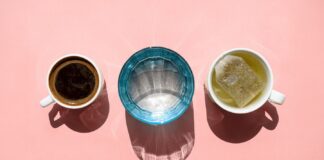
Watch the caffeine. Coffee acts as a laxative. It trains your colon to be lazy. You end up needing artificial stimulation to go. That’s a bad loop. Stick to decaffeinated liquids for daily hydration.
Supplements can help too. Vitamin C and bioflavonoids strengthen blood vessel walls. Stronger walls resist swelling. If you’re carrying excess weight, losing it reduces the pressure on those veins. Simple physics.
What you eat also affects pain during bowel movements. Irritants like coffee, red pepper, mustard, and alcohol can burn as they exit. Avoid them.
You need both types of fiber:
Insoluble fiber adds bulk. Good sources:
- Wheat bran
- Apples and pears
- Carrots and spinach
- Brown rice
Soluble fiber softens. Good sources:
- Oatmeal or oat bran
- Barley
- Lentils
- Broccoli
Aim for at least eight 8-ounce glasses of water a day. Hard stool is the enemy. This combination eliminates it.
Herbal Medicine for Hemorrhoids
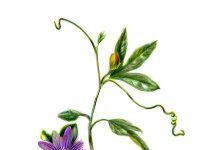
Herbs can shrink and strengthen the veins around your anus. They tackle pain and bleeding directly.
Witch hazel is the gold standard. It’s a native American plant. It acts as an astringent, tightening tissues. Apply it distilled or in extract form. Warning: it stings. A lot. But it works.
Stone root is another option. Often taken in capsules, it’s a powerful astringent.
Other herbs used in traditional practices include:
- Bayberry bark
- Butcher’s broom
- Calendula
- Ginkgo
- Pilewort
- Plantain
- Horse chestnut
These aren’t just folklore. They have specific properties that reduce inflammation and tone vessels.
Hydrotherapy for Hemorrhoids
Water therapy uses temperature to boost circulation and ease pain. It’s simple. Effective. Cheap.
Common methods include:
- Alternating warm and cold sitz baths
- Hot and cold compresses (alternating comfortably hot washcloths with ice-cold ones)
- Cold compresses only
You can add herbs like yarrow to the water for an extra astringent effect.
Here is how to do an alternating sitz bath correctly:
- Fill the tub with four inches of comfortably warm water.
- Sit in it. Knees bent, near your chest.
- Stay for five minutes.
- Drain and refill with cold water.
- Sit in the cold water for one minute.
- Repeat this cycle three times.
The temperature shift encourages blood flow. It reduces swelling. It stops the throbbing.
Other Hemorrhoid Therapies
Hydrotherapy and diet are heavy hitters. But other approaches exist.
Aromatherapy uses essential oils like cypress, geranium, and myrry. Add them to sitz baths or use as compresses.
Ayurvedic Medicine focuses on dietary changes and stress reduction. Meditation helps. Stress tightens muscles. Astringent herbs do the rest.
Detoxification, Fasting, and Colon Therapy can relieve constipation. Fasting gives the gut a rest.
Homeopathy offers remedies like nux vomica, belladonna, hamamelis, and collinsonia. These are diluted substances aimed at triggering healing.
Yoga improves circulation and relieves constipation. Certain poses reduce pelvic pressure.
The Bottom Line
Hemorrhoids are annoying. They are painful. But they are often manageable without surgery.
Start with fiber. Drink water. Avoid irritants. Try witch hazel. Sit in warm water.
If pain persists, see a doctor. Natural remedies work for many. Not all.
But for a lot of people, the problem shrinks when they stop straining. And start listening to their bodies.