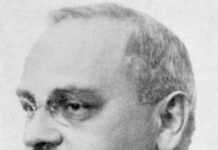
Soranus of Ephesus changed how we view women’s health. He worked in Alexandria and Rome during the second century AD. His home city was near what is now Selçuk in Turkey.
He stood at the head of the Methodist school of medicine. This group believed disease came from bad states in the “internal pores.” They liked simple rules. They did not like complex theories.
His books set the standard for nearly 1,500 years. Doctors looked to his words on pregnancy. They looked to his advice on infant care. They looked to his notes on women’s diseases.
What Soranus Wrote About Birth and Birth Control
His book On Midwifery and the Diseases of Women is famous. It lists many ways to prevent pregnancy. We know he described contraceptive measures clearly.
He also wrote about the obstetric chair. This device helped with delivery. He described podalic version too. That means turning the baby so the feet come out first.
These ideas were not new then. They were rediscovered in the 15th century. People thought Soranus had discovered them first. We now know he recorded what others knew.
He gave a clear account of rickets. You can recognize his description of the bone disease. It was accurate for his time.
Nervous Disorders and Early Psychotherapy
Soranus wrote On Acute and Chronic Diseases too. It has a chapter on nervous disorders. He suggested treatments for them.
His approach looks like modern psychotherapy. He talked about the mind and body. He did not just treat the body.
He was a keen observer. He was a competent practitioner. He saw what others missed.
The Man Behind the Medicine
Soranus wrote the oldest known biography of Hippocrates. We know this because of his work. He also wrote a treatise on fractures.
He was not just a theorist. He practiced medicine. He treated patients. He watched them closely.
His ideas lasted a long time. They shaped medical opinion for centuries. We still study his work today.
He gave us a framework for caring for women. He gave us a framework for caring for infants. He gave us a framework for understanding disease.
We might wonder how his methods still matter. They do. They show us how far medicine has come. They show us how far it has not.
Soranus of Ephesus remains a key figure in the history of medicine. His words survive. His insights endure.
What else did he see that we have forgotten? The answer lies in his texts. They wait for us to read them. They wait for us to understand them.