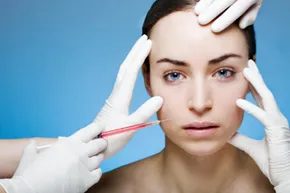
Think of collagen as the structural skeleton of your body. It is a protein composed of amino acids. It accounts for roughly 25 percent of all protein in the human frame. It provides soft, fibrous support. With some chemical tweaking, it even helps build bone and teeth. It is a basic resource.
The dermis relies on it heavily. This is the layer beneath the surface you slap moisturizer on every morning. Imagine a comforter. The collagen is the padding inside. It keeps the outer fabric smooth. Children have thick collagen layers. Their skin looks full. They look healthy.
Age changes this. Production drops. The layer thins. Gravity takes over. Wrinks deepen. Genetics and environment play a role here. The rule is simple though. Less collagen equals deeper lines.
Why Topical Collagen Fails
Most creams don’t fix the root cause. They offer surface moisture. This swells the skin slightly. Wrinkles look less severe temporarily. Humectants pull water from the air. Emollients like lanolin trap it. The skin stays saturated.
This isn’t solving the collagen loss in the dermis. It’s a mask. Once that moisture evaporates, the lines return.
Adding collagen directly seems logical. It isn’t practical. The molecule is too large. It cannot slip through the skin’s outer layer. Slathering on collagen does nothing. It just sits there.
Some methods increase permeability. But creams with added collagen aren’t the answer. The most effective way to boost skin collagen—short of injecting it directly—is to coax the body to make its own. The body already knows how to do this. We just need to encourage it. We need to direct production to the dermis.
Peptides: Tricking the Body
Peptides are made of amino acids. Some amino acids are essential. The body can’t produce them. You must eat them. Animal products are complete proteins. They contain all essential amino acids.
These building blocks matter for whole body health. They matter for youthful skin too. The body uses amino acid combinations to diagnose maintenance needs.
Here is the mechanism. When collagen breaks down, long chains split. They become shorter chains called peptides. The body detects these peptides. It is like realizing the milk in the fridge has gone bad. You know you need more.
The presence of peptides signals collagen loss. The body responds. It produces more collagen to compensate.
Skin care products with peptides exploit this. They trick the body into producing new collagen on demand. It alerts the repair system. It tells it to put in overtime.
Peptide-enhanced products help eliminate fine lines. They reduce wrinkle visibility. They increase elasticity.
Your skin is an organ. It is the largest one. It isn’t static. Age impacts it. Overall health impacts it. Pregnancy, diet, temperature, and humidity change its appearance. Sleep schedules matter. Medications matter.
Beyond Peptides
The next step involves looking at other ingredients. These substances boost collagen production. They perform other skin-friendly duties. The goal is the same. Look rested. Look younger. Look healthier.
There are common ingredients in skin care products that support this. They help with maintenance. They aren’t magic. They are chemical signals. They work with biology rather than against it.
Understanding this shifts how we view aging. It isn’t just about covering up. It’s about communication. The skin talks to the body. The body listens. We just have to speak the right language.
Peptides are one dialect. There are others. Vitamin C for instance. It is a cofactor in collagen synthesis. Retinoids stimulate cell turnover. They increase collagen production over time. These aren’t quick fixes. They are long-term strategies.
The market is flooded with claims. Many are empty. The science behind peptides is solid. The mechanism is clear. It is a feedback loop. Breakdown triggers repair. Products amplify the signal.
But the body is complex. It doesn’t follow a single script. Diet plays a role. Vitamin C deficiency halts collagen production. Protein intake matters. Without the raw materials, the body can’t build the structure.
Supplements exist. Hydrolyzed collagen peptides are popular. They are broken down further. Easier to absorb. The evidence is mixed. Some studies show improvement in skin elasticity. Others show little to no effect. It varies by person. By dose. By duration.
Topical application remains the most direct route for localized effects. But systemic health supports skin health. You can’t out-skincare a bad diet. You can’t out-moisturize a lack of sleep.
The dermis is resilient. It has a remarkable ability to repair itself. It just needs the right cues. And the raw materials.
The Bigger Picture
Skin care is a work in progress. It is ongoing maintenance. It isn’t a one-time fix. The ingredients you use matter. The lifestyle you lead matters more.
Peptides are a powerful tool. They are not the only tool. They are part of a broader strategy. A strategy that respects the body’s biology.
It respects the limits. It acknowledges that we can’t stop time. We can only slow it down. We can only keep the structure as strong as possible.
The future of skin care lies in precision. Not in slathering on thick creams that do nothing. But in targeting specific pathways. In supporting the body’s natural processes.
It’s about working with nature. Not against it. The skin knows what it needs. We just have to give it the chance to do its job.
The conversation continues. The ingredients evolve. The science deepens. But the core principle remains. Support the structure. Maintain the balance. Keep the signal clear.
That’s how you look rested. Younger. Healthy. Not because of a miracle cream. But because the body is doing what it was designed to do. With a little help.
Kinetin is an oddity in the world of skincare. It’s primarily a plant hormone, yet it also exists naturally in the DNA of most living things, humans included. That biological overlap isn’t just a curiosity. It suggests a mechanism of action that mirrors how plants repair themselves after injury. In human skin, it appears to trigger rapid cell division. It also seems to enhance scab formation, which sounds counterintuitive for a beauty product, but it points to a robust healing response.
There is evidence that kinetin stimulates collagen production. It acts as an antioxidant, too. This helps reverse some of the damage caused by free radicals from sun exposure and smoking. Think about the cumulative effect of a decade of mornings without SPF. A single ingredient that addresses cell turnover, collagen synthesis, and oxidative stress is significant.
How Kinetin Compares to Retinoids
The mechanism isn’t fully mapped out. Questions remain about the precise biochemical pathways. But recent studies suggest it actually works. Here is where it gets interesting for sensitive skin types. Kinetin shares some advantages with retinoids. It can help treat conditions like acne.
Retinoids are powerful but often unforgiving. They cause irritation. They demand copious exfoliation. The peeling phase is real. Kinetin avoids most of that. It is generally considered gentle and safe. This matters for women who are pregnant or nursing, as retinoids are typically not recommended for them. Kinetin offers a path to similar results without the harsh side effects.
Beyond healing and collagen, kinetin has shown results in other areas. It helps diminish the appearance of age spots. It reduces fine lines and wrinkles. It improves skin elasticity. You might see it marketed as a “natural” healing and moisturizing plant ingredient. This is often more marketing wizardry than fact. If you are looking for it, check ingredient labels for its trade name: N6-furfuryladenine.
The Role of Glycosaminoglycans
Kinetin isn’t working alone. It operates alongside other compounds that support the skin’s structure. One of these is glycosaminoglycans (GAGs). These long unbranched polysaccharides are a major component of the extracellular matrix. They are the scaffolding that holds everything together.
GAGs are hygroscopic. They bind to water molecules. This hydration capacity is critical for maintaining skin volume and turgor. Without adequate GAGs, the skin loses its plumpness. It becomes thinner and more fragile. This is why age-related changes in the skin aren’t just about surface wrinkles. They are structural. The matrix itself degrades.
Synergistic Effects and Realistic Expectations
When kinetin and glycosaminoglycans work together, the potential is greater than the sum of their parts. Kinetin promotes the cellular activity needed to repair and regenerate. GAGs provide the hydrated environment necessary for those cells to function optimally. It’s a combination of repair and support.
However, skepticism is healthy. The skincare industry is full of miracle cures that disappear after a month. Kinetin and GAGs are promising, but they are not magic. They require consistent application. They work over time. You
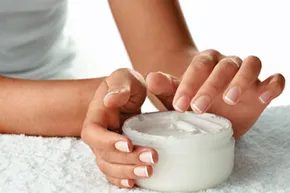

Most moisturizers fail where it counts. They saturate the epidermis. The top layer. It’s thin. It dries out fast. Heat, cold, wind, and low humidity strip it bare. That’s why you need to reapply often. But relying solely on surface hydration is a losing battle. You need ingredients that go deeper.
Enter hydrolyzed glycosaminoglycans (GAGs).
These aren’t your grandmother’s creams. They are tiny, positively charged mucopolysaccharides. Complex. Hygroscopic. Think of them as microscopic sponges. They absorb moisture and bind it tight. But unlike standard lotions, they carry that water deep into the epidermis. Even into the dermal layer. This is targeted hydration. Cellular renewal.
How Hydrolyzed Glycosaminoglycans Work
The body produces its own GAGs naturally. They regenerate and hydrate the dermis from the inside out. Scientists have altered them slightly. The goal? Enhanced water retention. The science is dense. The result is simple.
Products containing hydrolyzed glycosaminoglycans act as super-moisturizers. They penetrate where simple surface moisturizers cannot. Once inside the skin, they repair tissue. They revitalize. The result? Softer, smoother, younger-looking skin.
“Hydrolyzed glycosaminoglycans are considered safe and effective… you’ll find them in skin care as well as some hair care products.”
This isn’t just about water. It’s about structural integrity. And you’re probably starting to see the pattern. Proteins matter. Amino acids matter. Eat enough protein. Your body needs raw materials to repair skin. Pair that with consistent cleansing. And you’re building a foundation.
Glycolic Acid for Youthful Skin Care
Now we talk about exfoliation. Specifically, glycolic acid. It’s a mild alpha hydroxy acid (AHA). The word “acid” might trigger alarms. It shouldn’t. Mild acids are powerful tools in dermatology.
Your skin has a protective barrier. Moisture and oil. It sheds dead cells constantly. Sometimes those cells get trapped. They settle into the protective layer instead of falling off. If you don’t cleanse well, they build up. Blocked pores become infected. Painful. Acne develops.
As skin ages, dead cells settle into lines. Wrinkles look deeper than they are. That crust of dead skin and oil is hard to wash off with water alone.
Glycolic acid solves this. It’s stronger than your skin’s natural pH. Not strong enough to harm. Applied regularly, it strips away debris. It stimulates new skin underneath. The process is called exfoliation.
You can find glycolic acid in over-the-counter products. Or in stronger prescription formulas. It reduces wrinkles. Fades discoloration. Controls breakouts.
But there’s a bonus. Dermatologists discovered that AHAs increase collagen production in the dermis. Collagen synthesis. That’s the gold standard for youthful skin. Usually, you need concentrated formulations like deep peels to get this benefit. Today, varying concentrations are common.
Who Should Avoid Glycolic Acid?
It’s not for everyone. If you have a rash. Damaged skin. Consult a dermatologist first. Do not guess.
Pregnant or nursing? Preparations are generally safe. But read the label. Discuss changes with your doctor. Always.
This is part of a bigger picture. Hydration from within. Repair at the cellular level. Exfoliation to reveal what’s underneath. The science is complex. The application is straightforward.
But the skin is always changing. Seasons shift. Stress spikes. Diet fluctuates. What works today might need adjustment tomorrow. Keep looking. Keep testing. Keep reading the science.