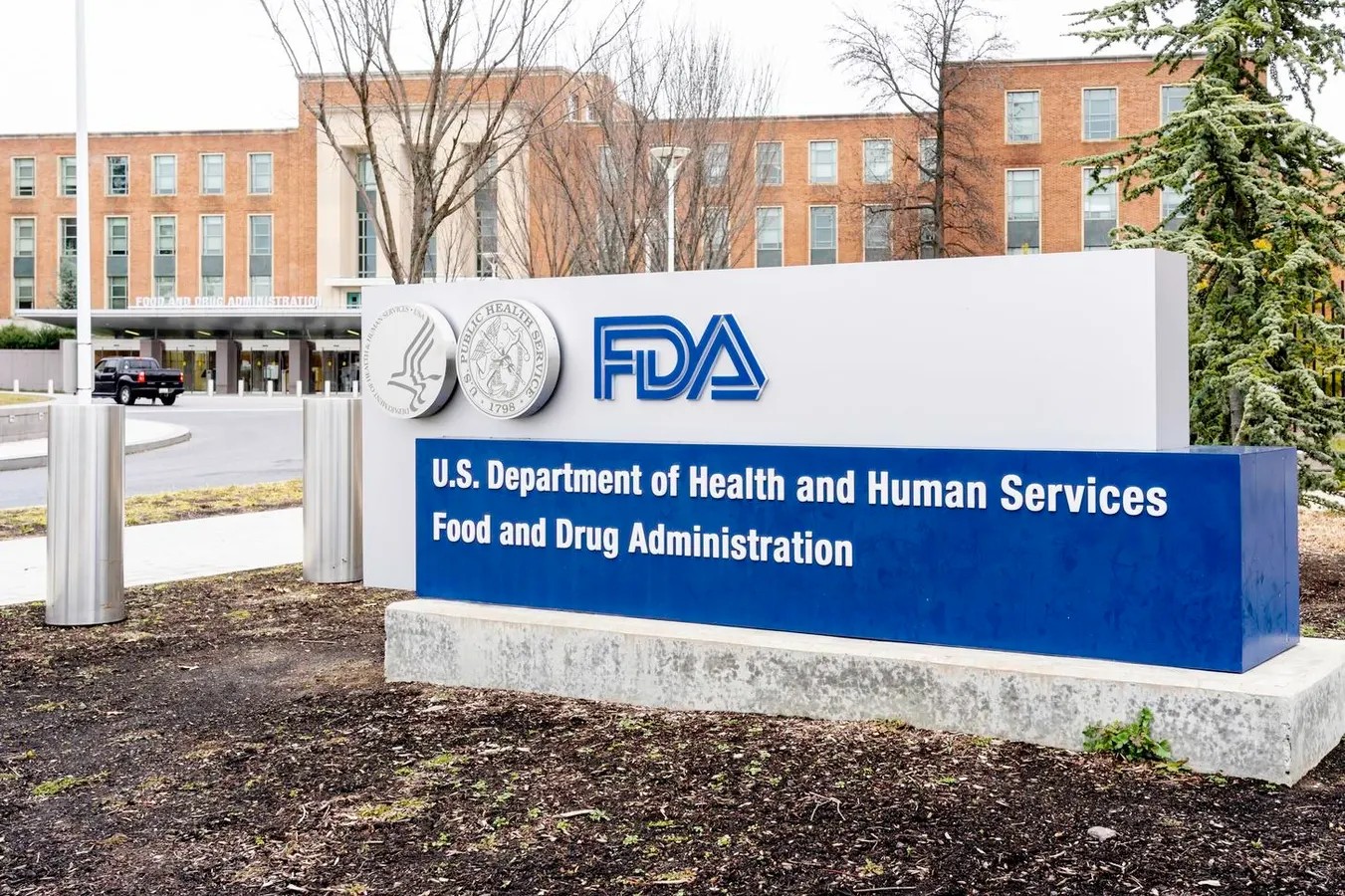
Tomorrow, an FDA advisory panel will vote on whether to add seven specific peptides to the compounding bulk substances list. BPC-157. TB-500. KPV. MOTS-c. DSIP. Semax. Epitalon. These are the compounds in play. If they pass, compounding pharmacies, telehealth startups, and the vast gray market of online suppliers could see a massive windfall. It’s expected. Robert F. Kennedy Jr., Secretary of HHS, has been openly promoting the unproven benefits of these substances for some time. So a favorable ruling isn’t exactly a surprise.
But there’s a problem. Most of these compounds have not been properly evaluated in humans. They lack rigorous safety data. And yet, they are already being marketed under the glossy veneer of longevity, self-care, and optimization. That mismatch should trigger red flags for doctors and patients alike.
What Are the Seven Peptides Up for Review?
The seven peptides facing scrutiny aren’t a monolith. They come in different names, different formats, and are often self-administered or injected at wellness clinics. Users typically take them in “stacks”—mixtures of multiple peptides taken simultaneously to hit various biological targets.
Here is the catch: We have almost no data on how these stacks interact with the body’s signaling molecules. Or its endocrine systems. Or what happens after ten years of daily use. The long-term outcomes remain a blank slate.
For context, the FDA’s Pharmacy Compounding Advisory Committee is looking at BPC-157 (healing), KPV (anti-inflammatory), TB-500 (repair), MOTS-c (metabolism), DSIP/Emideltide (sleep), Semax (cognition), and Epitalon (anti-aging). This list does not yet include Melanotan II. But the FDA has announced a separate, upcoming review that will cover Melanotan II and other cosmetic peptides.
Crucially, being on the Section 503A Bulks List is not FDA approval. It is a regulatory pathway that allows pharmacists to compound drugs from bulk ingredients under specific conditions. It does not confirm clinical efficacy. It does not guarantee safety. But it legitimizes access.
The “Barbie Drug” and the Cosmetic Peptide Boom
Melanotan II isn’t up for the initial batch review, but it’s the perfect case study. Known colloquially as the “Barbie drug,” it’s a synthetic version of alpha-melanocyte-stimulating hormone. It’s designed to activate receptors in the skin and crank up melanin production. Darker skin. Faster tan. No UV damage required.
It was never approved by the FDA. It remains an unapproved new drug. But you can buy it online today as a “research chemical,” usually as an injectable or nasal spray.
And people are using it for way more than tanning.
The user base has shifted. It’s not just bodybuilders anymore. Young adults. Fitness influencers. People obsessed with body image. Melanotan II is promoted for appetite suppression, libido boosts, and overall “optimization.” It sits inside a sprawling ecosystem of non-approved peptides that includes the seven on the FDA’s current docket.
“Melanotan II is not simply a tunning drug. It is representative of a much larger public health concern.”
This isn’t about a single ingredient. It’s about a cultural shift toward using pharmacology to redesign identity.
Why “Research Chemical” Status Is Failing Users
Most peptides in this space are imported in bulk from China. Third-party labs analyze them. They get a Certificate of Analysis. Then they are sold online as powders. Users mix the powder with sterile water for injection or spray it nasally. The packaging looks clinical. The protocols look scientific. The evidence? Mostly anecdotes. Before-and-after photos. Social media testimonials.
The danger is the illusion of safety.
Case reports for Melanotan II are accumulating. And they are not pretty. Patients have developed darkening of pre-existing moles. Oral mucosa discoloration. Priapism—a painful, prolonged erection that required emergency intervention. Injection-site ulcerations. Pyoderma gangrenosum. Renal infarction. One study even suggested a link to ischemic stroke following intranasal use.
No single case proves causality. Taken together? They tell a consistent story of risk.
But tracking this is nearly impossible because users don’t talk to their doctors. Survey data shows that while Melanotan users frequently see dermatologists, primary care providers, and fitness medicine experts, they rarely disclose their peptide use. They assume clinicians won’t understand. Or they don’t consider Melanotan a “real drug” worth mentioning.
This creates a clinical blind spot. If a patient walks in with sudden priapism or strange vascular events, and the physician has never heard of Melanotan II, the diagnosis could be missed. Melanotan is likely just the first mainstream example of this dynamic.
Peptides Are Not Supplements
We need to stop thinking of these substances as harmless supplements. They are biologically active signaling molecules. They interact with endocrine, vascular, and neurologic pathways. In many cases, we don’t even fully understand those pathways outside of a controlled therapeutic setting.
The digital marketplace moves faster than regulation. By the time the FDA classifies one peptide, users have moved on to five others. Some are sold in sterile vials, promoted by fitness influencers with millions of followers. Others sit next to GLP-1 weight loss drugs and anabolic compounds in “longevity stacks.” The aesthetic is medical. The promise is biohacking. The reality is unproven.
This is a cultural phenomenon as much as a pharmacological one. People are using drugs to manage their identity. Darker skin. More muscle definition. Less hunger. Better sex drive. Better selfies. Higher social engagement. The “Barbie drug” isn’t about tanning. It’s about what happens when body image anxiety meets unregulated pharmacology.
The Regulatory Minefield
The FDA’s current review highlights a systemic failure: regulators are trying to apply old categories to a new, agile digital market. By the time policymakers argue over classification schemes, the compounds have already achieved mainstream adoption.
Science gave us peptides with immense therapeutic potential. But without strong oversight, better physician training, and a regulatory framework designed for the modern marketplace, we risk creating a new class of consumer drugs before we understand the fallout.
When the next “Barbie drug” hits the mainstream, will it be too late to label it experimental?
The Path Forward
Addressing this crisis requires more than just debating compounding laws. Policymakers need active surveillance systems to monitor the promotion of unregulated compounds online. Public health campaigns must dismantle the myth that these peptides are harmless lifestyle additives.
Physicians need tools. Standard screening protocols must integrate peptide history. Frontline doctors need reporting mechanisms to track adverse events systematically.
Without robust oversight and a strict requirement for high-quality clinical evidence, the adoption of these signaling molecules will continue to outrun our clinical understanding. We are effectively turning a generation of patients into subjects of an unregulated experiment. And once those drugs are out there, changing the course of that experiment becomes incredibly difficult.