“How is your digestion?”
It’s a simple question. You answer it often. Then comes the hard part: the follow-ups.
How often? Constipated? Bloated? Diarrhea?
Suddenly, you’re stuck. You don’t have the data. You rely on memory. And memory is a liar.
We forget the routine. We remember the outliers. Our brains filter out the mundane, leaving us with a distorted view of our own health. This gap isn’t just frustrating; it’s medically significant.
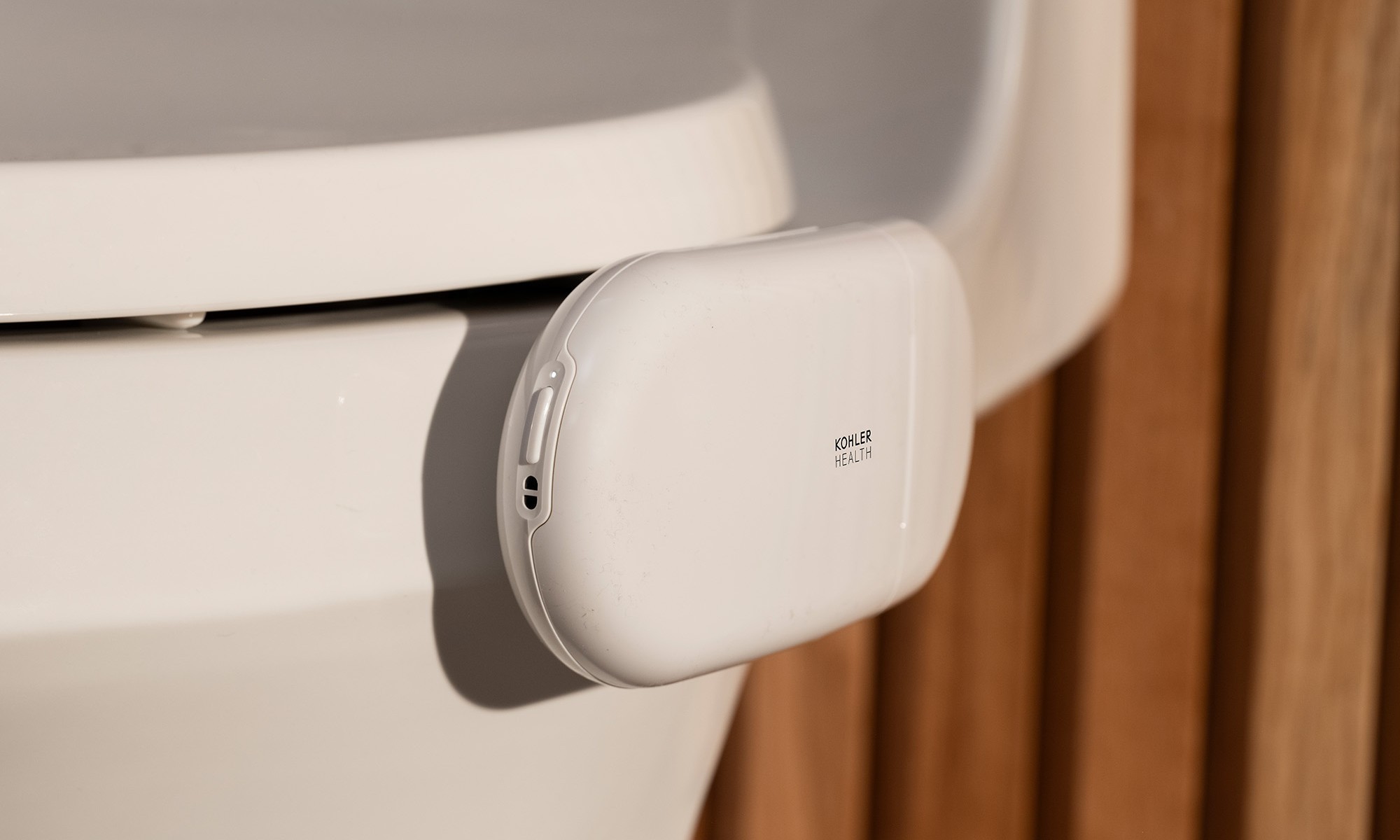
Enter Kohler Health. They’re turning your toilet into a diagnostic tool with the Dekoda sensor.
Why Tracking Bowel Movements Matters More Than You Think
Let’s get real about your gut health. It’s not just about comfort. It’s a leading indicator.
Research indicates that 61% of U.S adults deal with at least one gastrointestinal symptom weekly. We’re talking constipation, gas, heartburn, you name it. According to the American Gastroenterological Association, nearly 40% say these symptoms disrupt their daily lives.
Yet, only 6% of people actively track these habits.
That’s the paradox. We track our steps. We monitor our sleep. We obsess over our heart rate variability. But we leave one of our most information-rich biological functions unrecorded.
A single “off” day is noise. A pattern of shifts over three months is a signal. Without a log, that signal stays hidden until it screams.
Your bathroom generates valuable health information every day. Most of it is lost.
The Problem: Human Recall is Flawed
You think you know how you felt last Tuesday. Do you?
Science calls this “recall bias.” We remember the dramatic events. The panic attacks. The sudden spikes in pain. We forget the steady hum of routine or the gradual slide into sluggishness.
When a doctor asks about your bowel habits, they want trends. Not anecdotes.
Medicine relies on longitudinal data. Blood pressure isn’t one reading. Cholesterol isn’t a single lab result. They are curves over time. Digestive health should be too.
But you can’t be a reliable historian of your own body. You’re too busy living. You need an objective recorder.
Enter Dekoda: The Passive Tracker
This is where technology steps in.
Kohler Health’s Dekoda isn’t another app to manually log every movement. It’s a sensor that fits discreetly on your toilet. It works in the background. You use the bathroom. The data is captured.
No effort required.
The device monitors:
* Hydration status
* Bowel frequency
* Stool consistency
* Presence of blood (a critical flag for inflammation or other issues)
These metrics feed into the Kohler Health App. There, you can view trends. Not just today’s number, but the last six months.
How to Use This Data for Better Health
Why does this matter?
Because patterns drive decisions.
If you see a slow decline in consistency, you might adjust your fiber intake. If hydration metrics drop, you drink more water. If blood appears, you see a doctor immediately with concrete data, not vague descriptions.
It changes the conversation.
Instead of saying, “I’ve been feeling off,” you can say, “My frequency has dropped 30% over the last quarter, and my hydration scores are consistently low.”
That is actionable information. That helps a provider pinpoint the cause faster. That leads to better care.
The Big Picture: Visibility is Power
Wearables gave us visibility into sleep and activity. Now, we can have it for digestion.
The bathroom has been an information vacuum. Dekoda plugs it.
Does this solve everything? No. Health is complex. But closing the data gap removes one major blind spot.
You can’t fix what you don’t measure.
For millions of people struggling with digestive issues in silence, having an objective record isn’t a luxury. It’s clarity.
Is it weird to track poop? Maybe.
Is it smart? Absolutely.