


By Molly Knudsen
*July 01, 2
Olive oil is the backbone of the Mediterranean diet. Decades of science tie it to heart health. Aging well. Longevity, even.
It’s not just the monounsaturated fats like oleic acid doing the heavy lifting. Polyphenols are here, too. Plant compounds with antioxidant power. Naturally occurring. Potent.
The catch. Most bottles lie about them. Or rather. They stay silent. Levels shift depending on the olive type, harvest time, and how aggressively it’s processed.
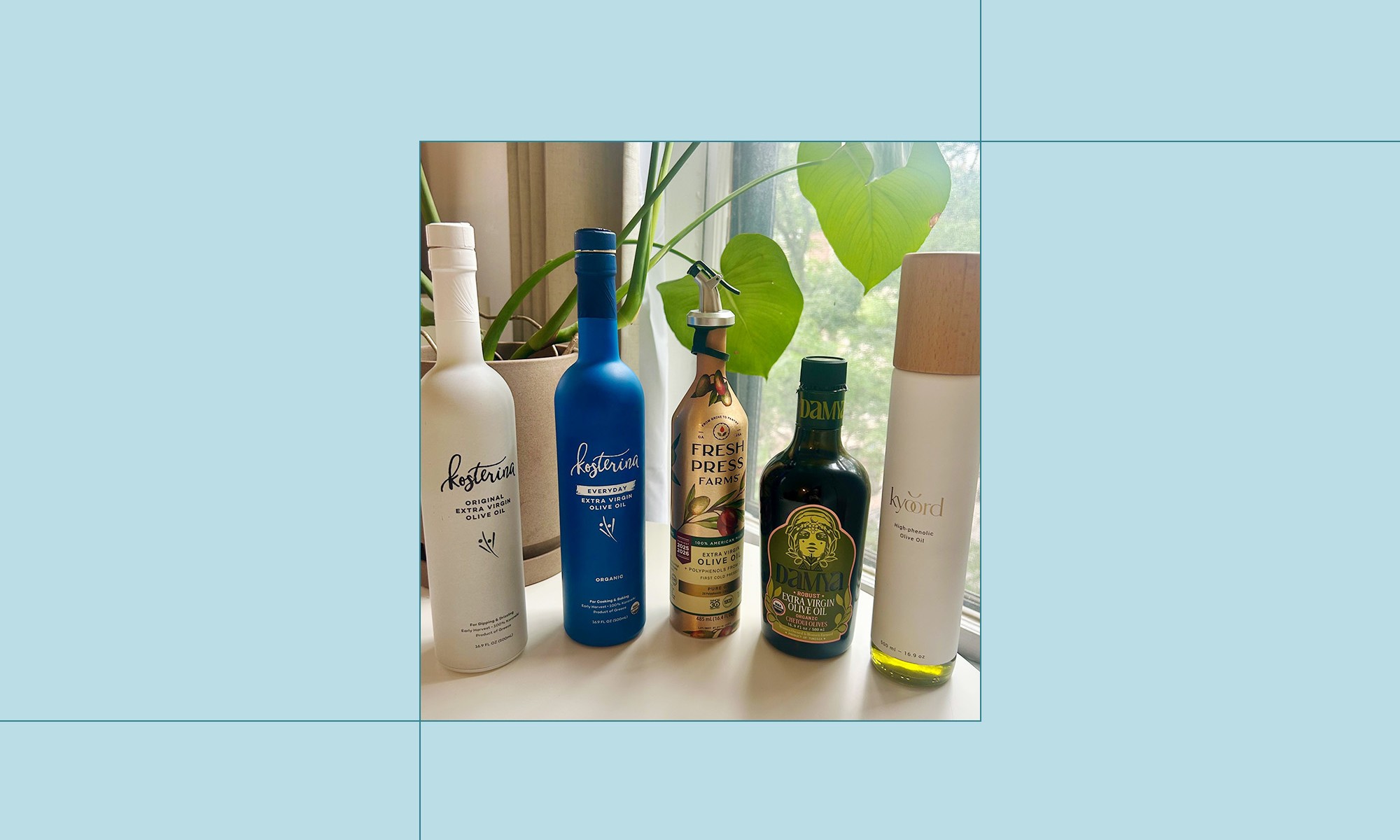
That is where high-phenolic oils step in. Intentional. Tested. Usually extracted early and kept cold. I tested several side-by-side. Looked for freshness. Sourcing. Real flavor. Here is the shortlist.
The Pick
Kosterina Extra Virgin Duo
Origin: Greece
Variety: Koroneiki
Polyphenols: 350–500mg/kg
Voted world’s best for 2026.
It removes the guesswork. Two bottles in one set. One for the daily grind (cooking and baking). The other, robust version, for drizzling. On vegetables. Salads. Fresh bread.
Both come from Koroneiki olives. Grown in Greece. Naturally high in polyphenols. Fresh. Peppery. But never aggressive.
Pros:
– World award winner
– Two distinct uses (everyday cooking + finishing)
– 100% Greek Koroneiki
Cons:
– Lower polyphenol count in the cooking oil
For the beginner? Approachable. Versible. You keep the quality without losing your mind.
The Budget Surprise
Fresh Press Farms Pure Gold
Origin: United States (Georgia)
Variety: Koroneiki, Arbosana, Arbequina
Polyphenols: 1,000mg/kg
Big surprise. At $13, it is cheap.
Light. Herbaceous. Yet it guarantees 1,000 mg/k9. Maybe more. The secret. They recover polyphenols lost during milling. Reincorporate them.
Pros:
– Grown and pressed in the U.S.
– Budget friendly
– High polyphenol recovery tech
Cons:
– Not organic
Located in Georgia. Grown, pressed, and bottled on-site. To your shelf within three months. Fresh? Defined. Supporting US farmers matters. No chemical fertilizers, despite the lack of organic cert. I use this for finishing. Dipping warm bread. Even got a pour spout.
The Bold Choice
Damya Robust Extra Virgin
Origin: Tunisia
Variety: Chetoui
Polyphenols: 831mg/kg
Personality. That is this oil.
Chetoui is native to Tunisia. Bold oils are its specialty. Intense. But balanced.
Pros:
– Women-owned and farmed
– USDA Organic
– Unique single-varietal from one harvest
Cons:
– Flavour may clash with subtle palates
Grilled meats? Yes. Roasted veg? Yes. Aged cheese? Yes. Sliced tomatoes with burrata? Yes.
The rainfall this year was perfect. Exceptional fruit. Never blended. You taste the place. Don’t sleep on Tunisia.
The Powerhouse
Kyoord High-Phenic
Origin: Greece
Variety: Lianolia, Koroneiki
Polyphenols: 1007mg/kg
If you want max polyphenols? Hard to beat Kyoord.
More than 1000 mg/kg. Loaded with oleocanthal and oleocain. Those compounds cause the peppery burn in your throat. And the antioxidants.
Pros:
– Founder is a PhD in molecular biology
– Highest concentration here
Cons:
– Premium price
Earthis of the group. Pair it with pasta. Soups. Marinades. Skip the delicate seafood. The labor costs extra. But you preserve the compounds.
How We Chose
Quality. Transparency. Taste.
Here is the filter:
– Verified testing. No guesswork. You see the mg/kg.
– Minimum threshold. We looked for 250mg/kg as a baseline. Anything less is average.
– Sourcing clarity. Know the farm. Sustainable practices matter.
– Method. Early harvest. Cold-pressed. Heat kills the good stuff.
– Flavor. It should taste good. Period.
– Value. Ranges of price. Good quality across the board.
What Is “High-Polyphenol”?
Measured in mg per kg of oil.
250-500: High
500-800: Very high
800+: Exceptional
Several factors decide the final number. Harvest time is king. Green olives? Higher polyphenols. Ripe? Lower. That is why “early harvest” is a bragging right.
Extraction matters, too. Cold-press immediately after picking. Heat degrades. Processing time degrades. Yield goes down. Cost goes up.
Variety counts.
* Kalamata: The powerhouse. 1000-1500mg. Bold.
* Koroneiki: 500-900mg.
* Picual: 400-800mg.
* Chetoui: A standout.
Higher polyphenols do not mean “better” taste. It means more bitter. More pepper. Assertive. But lighter options exist. Choose what fits your food.
Higher concentration equals bitterness and a throat-biting sensation. Not everyone wants that with every meal.
The Benefits
Research mostly looks at olive oil in general. Not high vs. low specific splits.
- Lower LDL.
- Higher HDL.
- Lower blood pressure.
- Less inflammation.
- Protection against oxidative stress.
- Support for gut barriers.
C-reactive protein drops. Cells survive.
FAQ
How much should you eat?
One and a half tablespoons a day. That gets you the heart benefits. Even half a table spoon helps. Consistency is key.
Does it taste different?
Yes. Sometimes. Bitterness. Peppery bite. But it depends on variety. Bright? Herbaceous? Earthy? It varies.
Can you cook with it?
Many high-EVOO work for sautéing. Roasting. Some are made for high heat. Others? Finish only. Check the bottle.
The takeaway.
If you already buy olive oil, upgrade. Switch to high-phenolic EVOO.
Keep two around. One for cooking (Kosterina Duo). One for flavor (Damya Robust).
Once you find your match…
You won’t go back.


