


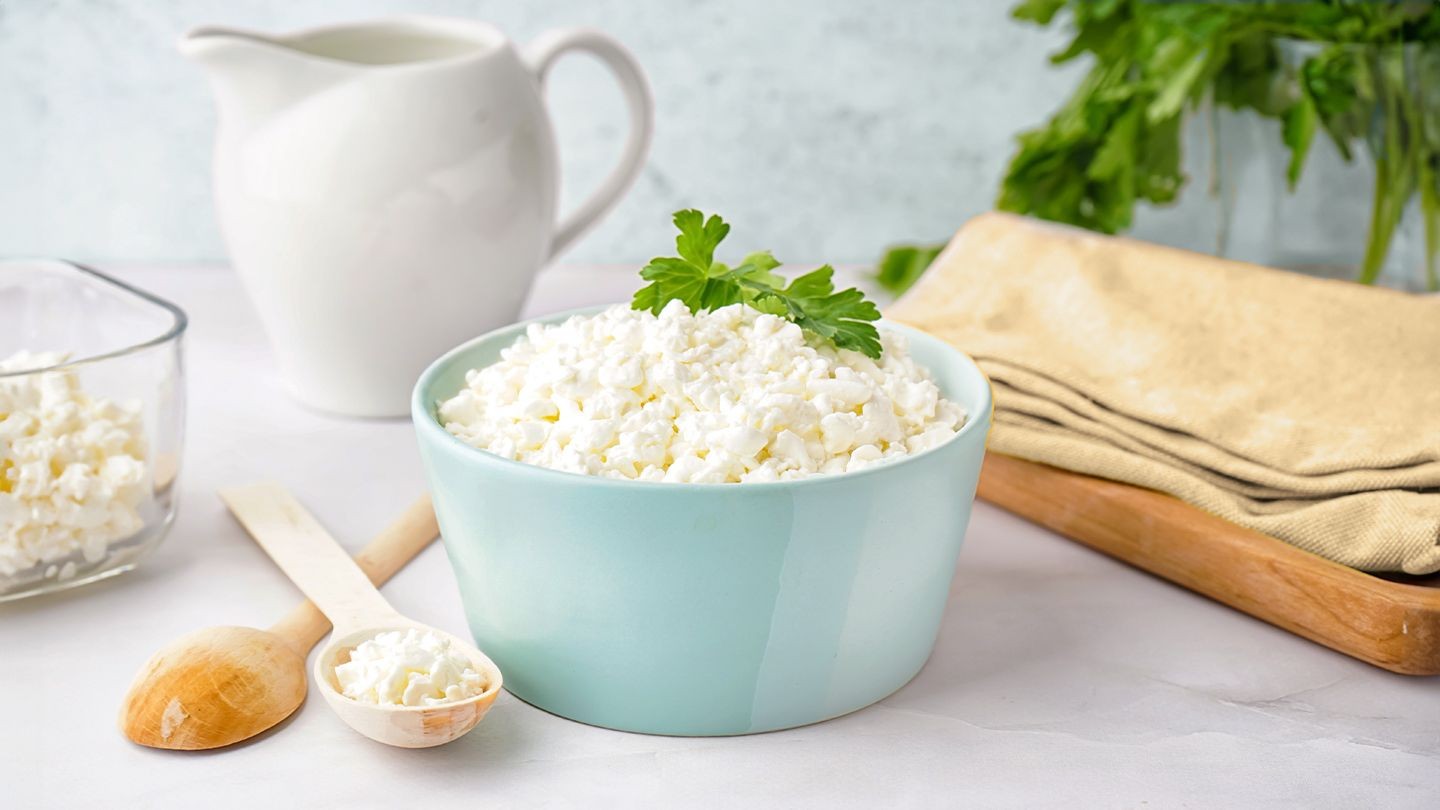
Lumpy. Slightly sour. Love it or leave it. Cottage cheese used to sit in the dairy aisle gathering dust, a food group reserved for bodybuilders and grandmothers alike.
That has changed.
We are currently living through a protein-obsessed era, and cottage cheese has become the poster child for it. A single half-cup serving packs 14 grams of protein. It is soft white fuel for a nation chasing macros. The demand is so fierce that grocery stores can’t keep shelves stocked. Manufacturers are scrambling to ramp up production. It is a supply chain crisis born from a craving for curds.
But here is the thing most people overlook. The benefits aren’t just about muscle building. Low-fat varieties carry fewer calories and less saturated fat than your average cheddar block. They also bring calcium and phosphorus to the table, nutrients essential for bone density. Some versions even contain probiotics, aiding gut health in a way most cheese cannot.
Watch the salt, though. One cup holds nearly 460 milligrams of sodium. If you are tracking salt intake, look for low-sodium labels.
Got a stash? Good. Here are five ways to eat it that prove cottage cheese isn’t just for spooning into your mouth straight from the bowl.
Whipped Into Perfection
Texture is the primary complaint against cottage cheese. It is dense. Heavy.
Whipping it changes everything. Blend low-fat cottage cheese with maple syrup until it resembles whipped cream. Serve it over granola and fresh berries.
It is light, fluffy, and still packed with nutrients. The berries add fiber and antioxidants. Johns Hopkins Medicine notes this combination offers a powerful boost.
Nutritional Highlight:
31 grams of protein per bowl. That is more protein than many whole meals.
The Pancake Switch
Most pancakes are mostly flour and sugar. You eat them, get a spike of energy, and crash thirty minutes later.
These are different. Substitute rolled oats for flour. Mix in plain cottage cheese instead of buttermilk. Blend until smooth. Cook on a nonstick skillet.
The oats add fiber, per USDA data. If you need gluten-free, just pick a certified brand. The result? Pancakes that stay with you.
Eggs on Steroids
Scrambled eggs are already a protein source. Adding cottage cheese turns them into a high-performance meal.
The texture of soft curds blends well with cooked egg. It also adds a bit of extra calcium without spiking the saturated fat. The USDA confirms eggs have a decent fat load. This swap limits that while boosting the protein count to 22 grams per serving.
It sounds weird until you taste it. It’s creamy. Rich. Filling.
The Dip Everyone Craves
Traditional veggie dips are often heavy on cream cheese, calories, and saturated fats. Light on nutrition.
Replace the cream cheese base with blended cottage cheese. Add lemon juice, garlic, salt, and fresh dill. Pulse in some milk for thickness.
It works as a standalone dip, a topping for sandwiches, or a salad dressing substitute. It has 11 grams of protein and only 69 calories.
The Verdict:
Tastes like herby cream cheese. Acts like a protein supplement.
Homemade Basil Dressing
Bottled salad dressing is essentially sugar and preservatives. Ditch the jug.
Blend fresh basil, garlic, white wine vinegar, cottage cheese, and parmesan. Blend until it loses all lumps.
Compare it to commercial ranch, which has 129 calories per two-tablespoon serving. This basil-parmesan version has 19 calories and 3 grams of protein.
Why buy the processed version when the homemade alternative is faster to make, cheaper to buy, and infinitely better for you?
The trend isn’t going away. Cottage cheese has shed its bad reputation. It is versatile. It is nutrient-dense. It is back.
Maybe it always belonged here.


