Peanut allergies mess with travel plans.
You handle grocery lists with laser focus at home. You keep epinephrine in the diaper bag. You memorize your allergist’s number.
Then you book a flight to Barcelona or a road trip to grandma’s.
Rebecca Fisk, a pediatric hospitalist at Lenox Hill Hospital in NYC, knows the stress is real. Uncertainty about exposure? It spikes anxiety levels fast. But she insists you can control it. Significant planning is the key, not avoidance. Knowing the rules for menus, planes, and packing makes the difference between a vacation and a nightmare.
Here is how you actually do it.
Build a Non-Negotiable Travel Kit
You need a kit. It lives in your carry-on or the glove box of the car. Never checked luggage.
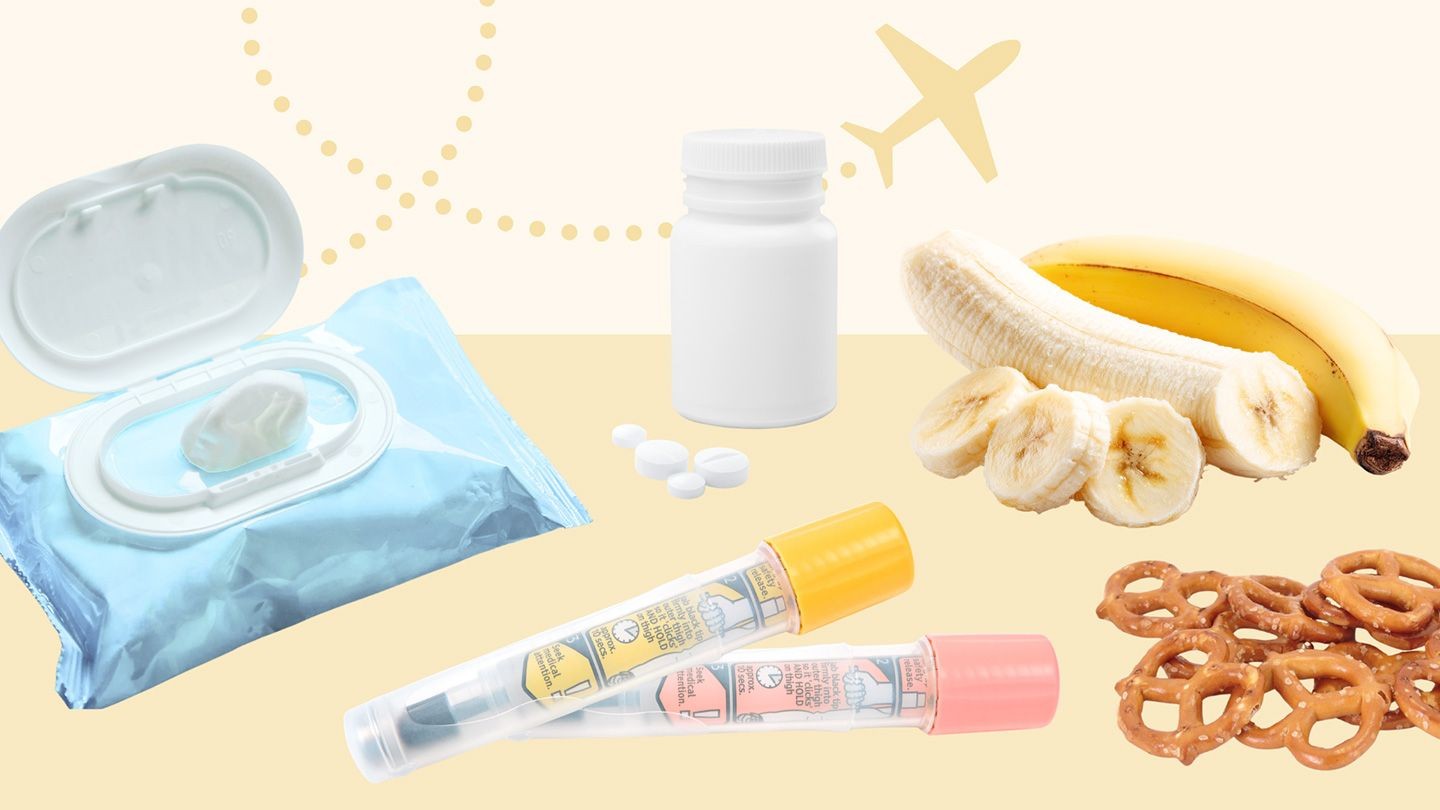
Fisk lists the essentials. Take two epinephrine auto-injecters—EpiPen, AuviQ, or the newer Neffy nasal spray. Bring antihistamines too, like Zyrtec or Benadryl. Note the dose ahead of time so you aren’t guessing during a crisis.
Don’t forget the paper trail.
- Emergency Care Plan: Provided by your pediatrician. It tells doctors what to do when seconds count.
- Allergen-Free Snacks: Applesauce pouches. Plain pretzels. Bananas. Dehydrated fruit. Food that travels well.
- Translation Cards: Sites like Equal Eats provide these. Hand one to the server. They don’t need to read your medical history; they just need to know no peanuts.
- Cleaning Supplies: Wet wipes. Liquid soap. Bar soap.
Avoid hand sanitizer here. Research shows it doesn’t remove food proteins. Wipes do.
Getting through TSA is manageable. Epinephrine goes through X-rays fine. But tell the agent about your meds before scanning. They might want a visual check. Better safe. Carry a doctor’s note explaining the diagnosis. It smooths things over at security.
Flying Isn’t The Death Zone
People fear airplane air.
There’s this lingering idea that peanut butter spreads through the ventilation system, coating everyone in row 14.
It’s basically false.
Turner et al., published in the Archives of Disease in Childhood, broke it down in October 2024. Allergic reactions actually happen less on flights than at dinner tables. Why? Allergy-conscious passengers prepare. And aircraft simulations haven’t proven airborne nut protein transmission exists.
The danger is tactile. Not aerial.
Food proteins cling to tray tables. Armrests. Seat backs. The TV screen in front of you.
Fix it.
Wipe it down. Use the wipes you packed. Pre-board the flight. It gives you ten extra minutes to clean the immediate area before the chaos starts. Even wipe bathroom handles.
One trick from Fisk: Fly first thing in the morning.
Why? The plane sat empty overnight. No previous passengers. The cleanest possible slate.
Plan for the Worst Case
You don’t have to like it, but visualize the emergency.
Anna Nowak-Wegrzyn runs pediatric allergy at NYU Langone. She says mental rehearsals save lives, especially abroad. Where is the nearest hospital? What’s the local word for “ambulance”?
Pack a bronchodilater if your child’s breathing is an issue with exposure. Travel often triggers asthma or eczema flare-ups anyway due to humidity changes. Bring those meds too.
Do the homework on local emergency services before you land. Save your home team’s contact info.
Get travel insurance.
Specifically the kind that covers medical evacuation. If things go wrong overseas, you might need transport to a better facility or back home. It’s expensive to not have it.
Nowak-Wegrzyn pushes parents to talk to their doctors about travel strategy. It helps. It really does.
Travel is good for kids. It builds emotional intelligence. Communication skills. Memories that last longer than a scraped knee.
Yes, the prep is annoying. It requires work.
“People with food allergies can safely travel,” says Nowak-WegrYN. “It just takes preparation.”
You might still miss that one restaurant with the great pasta. Maybe. But the world is worth seeing. Even with allergies.
Just bring the wipes.