Cyclosporiasis is making news again. You know the headlines. The “explosive diarrhea.” It’s gross, it’s real, and everyone wants to know how not to catch it.
The source? Not yet identified. But we’ve been here before. Fresh cilantro, basil, raspberries. Leafy greens. These are the usual suspects when Cyclospora strikes.
Here is the problem. Greens grow near the dirt. The soil might be contaminated. The irrigation water might not be clean. Wild animals leave… waste nearby. And then you eat it. Raw. No cooking stage to kill the bad stuff.
Francisco Diez-Gonzalez knows this. He’s the director of the Center for Food safety at the University of Georgia. His take is simple: greens get eaten without a kill-step. No heat. No chemical barrier. Just salad.
“Leafy greens have been related to… outbreaks because they are consumed without… microorganisms… after they are harvested”
Nothing makes them perfectly sterile. You can’t scrub them to absolute zero safety. But you can lower the risk. Selection, washing, storage. Sometimes, a little blanching.
Wash Hard. Dry Hard.
Every green needs a wash. Romaine. Spinach. Arugula. Before it touches your mouth.
First step. Sanitize the station. Hands. Counter. Board. Knife. Hot soapy water. If the knife touched the greens before the counter was clean, you just made the counter dirty. Again.
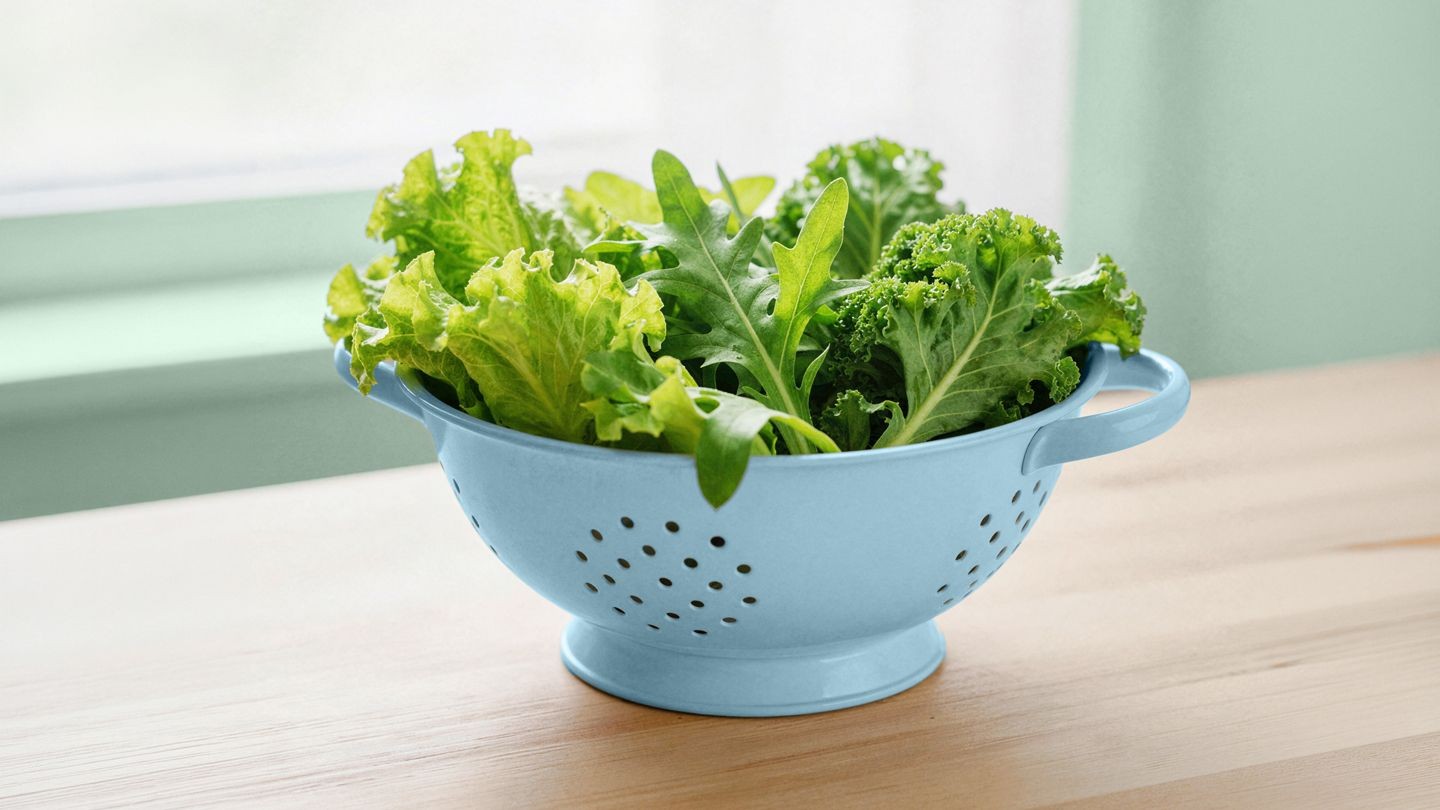
Then, the greens. If they are gritty, soak them. Use a clean bowl of cold water. Swish gently. Let the dirt settle or float free. Lift the leaves out. Don’t let the dirt rain back down onto the clean leaves.
Rinse them. Cool running water is key. Swirl each leaf. Get the debris off.
Now, dry them. This isn’t just for texture. Water carries microbes. Excess water keeps bacteria alive and speeding up rot. Use a spinner. Use paper towels.
Dr. Diez-Gonzalez estimates washing gets 90% of the surface bugs off. Drying finishes the job.
“The overall process of washing reduces… drying with paper towels helps”
Heat is the Hammer
For tender greens like butter lettuce, washing is the last step. They wilt under heat.
But what about spinach? Kale. Swiss chard. Collards?
These guys are sturdy. They can handle a dunk. Blanching them isn’t just for color or texture preservation—though Martin Bucknavage at Penn State notes that it does set the color and stop the enzymous mush during freezing. It also kills bacteria. Heat is brutal on things like E. coli and salmonella.
Blanching is quick.
1. Boil water. Dunk the veg.
2. Ice bath immediately. Stop the cook.
Don’t do this with delicate lettuces. Diez-Gonzazole warns the heat destroys crispness.
“Blanching is… precursor to freezing… sanitary function”
Skip the DIY Chemical Warfare
Home remedies love to complicate things. Vinegar baths? Baking soda soaks? Commercial “salad sprays”?
Don’t bother.
Bucknavage and Diez-Gonzalez agree: evidence is weak. Plain water rinsing beats the fancy stuff. Baking soda? “Largely ineffective” for washing power compared to just using more water.
Worse ideas? Soap. Bleach. Household cleaners.
Vegetables aren’t non-porous tiles. They absorb stuff. If you wash spinach with bleach residue, you’re going to eat that residue.
“These chemicals… picked up… in leaf structure”
And please, stop re-washing bagged salad that says “triple-washed” or “pre-washed.”
You’re adding moisture. Moisture equals bacteria growth. You’re not making it safer. You’re making it soggier. Bucknavage says it won’t provide any further reduction. Just more waste.
Choose Smart. Store Cold.
Safety starts at the market.
Look at the greens. Crisp. Bright. No sliminess. No massive bruising. Damaged leaves are gateways for spoilage organisms.
Keep them away from raw meat. In the cart. In the bag. In your fridge. Cross-contamination is the silent killer. You don’t want chicken juice on your spinach.
Bagged salads are fine. They have caused outbreaks, yes. But avoid? No. Check the bag. Is it cold to the touch? Is there slimy condensation inside? Is the package torn?
“If you’re concerned… buy the unprocessed… wash it yourself”
If control makes you sleep better, buy the big tub of romaine and wash it. Otherwise, inspect the pre-washed stuff.
And stop obsessing over import labels. “Grown in USA” vs “Imported from Mexico” tells you nothing about safety.
Diez-Gonzalez is clear: domestic produce has been in outbreaks too. Imported produce meets federal safety standards. Origin doesn’t equal safety.
Pay attention to alerts. If the FDA issues a recall on cantaloupes? Stay away from cantaloupes. Period.
Are you pregnant? Over 65? Immunocompromised? Your threshold for risk should be higher. Bucknavage suggests avoiding the product entirely until the outbreak is resolved. Why roll the dice with a weakened immune system?
If you are worried. If your anxiety spikes every time you look at a leaf. Switch products. Wait it out.
The outbreak will pass. The next one won’t.