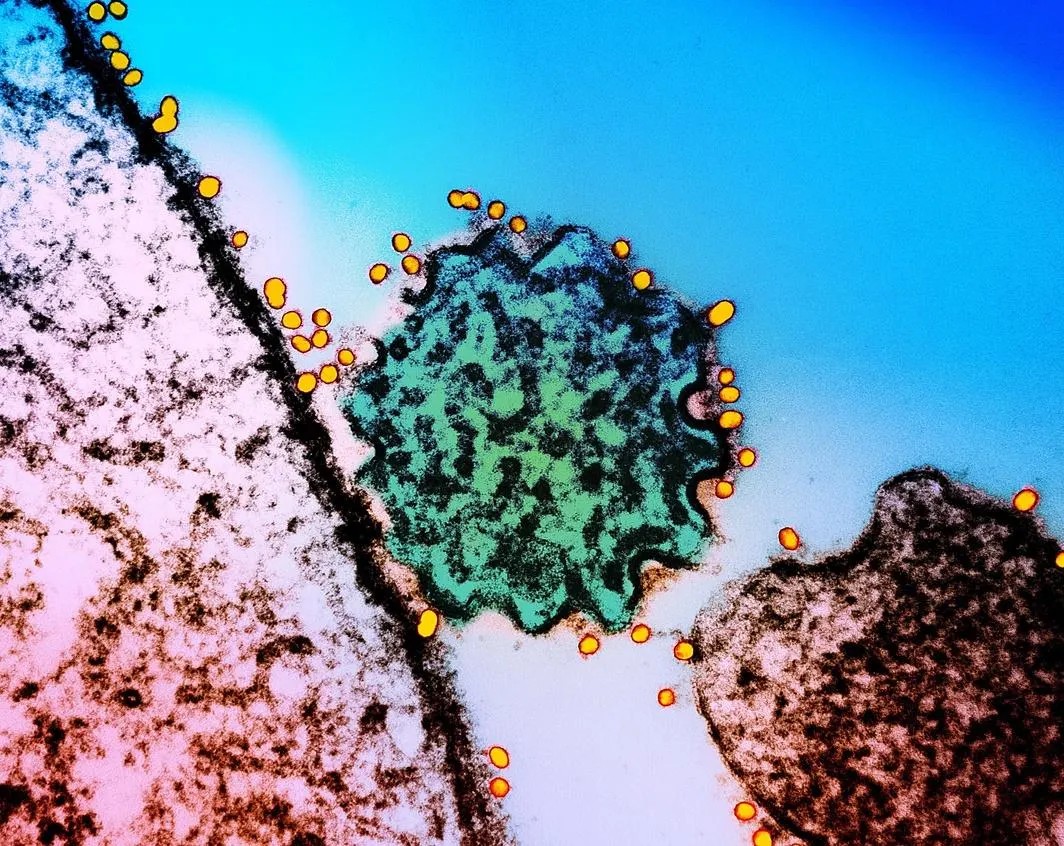
Nipah kills. So does Hendra. The stats are ugly. Depending on which virus you catch, 40 to 75 percent of infected people die. No jokes there.
These two are cousins. Part of the henipavirus family. Nipah hangs out in South and Southeast Asia. Hendra prefers Australia. Scary part? No approved treatments exist yet. Despite sitting on WHO’s list of top-priority threats.
The source? Fruit bats. Their natural home. The virus jumps from bat to other animals, then to us. Nipah likes contaminated food or direct human contact. Hendra usually goes bat -> horse -> human. Rare outbreaks, yes. But when they hit? Severe pneumonia. Brain inflammation. Encephalitis. Messy stuff.
Why Pair Them Up?
Single antibodies usually target one spot on the virus. It’s a direct approach. Simple. Flawed.
Viruses mutate. One small genetic hiccup and the antibody can’t “see” the target anymore. Escape artist mode: on.
The new trick? A cocktail of two. Different antibodies. Different targets. One blocks the “receptor binding” protein, the hand the virus uses to grab our cells. The other hits the “fusion” protein, stopping entry completely.
Why this combo? Resistance becomes nearly impossible. For a virus to evade treatment now, it needs multiple mutations at once. Simultaneous errors. Much harder to roll those genetic dice.
The antibodies also target “conserved” regions. Parts of the virus that don’t change much, even as variants evolve. Smart targeting.
Resistance isn’t just unlikely—it’s mechanically difficult. Escaping one antibody is easy. Escaping both requires a double genetic failure.
Hamsters Saved
Tests ran on hamsters. Exposed to lethal Nipah doses. Brutal scenario.
Guess what happened? Survival.
One antibody? Survived.
Two antibodies together? Complete protection. Even when doctors waited until symptoms started. That delay matters in real life. We rarely catch viruses instantly.
Lab tests backed this up. The cocktail handled multiple strains. Nipah type A? Check. Nipah type B? Check. Hendra? Also neutralized. The protection wasn’t just additive, it was broad. It ate up variants that had previously shrugged off single-antibody therapy.
Future-Proofing Medicine
Viruses evolve. It’s what they do. Single-target drugs become outdated fast.
This dual-approach offers durability. By hitting two essential, stable points on the virus, the window for effectiveness widens. Mutations that help a virus escape one drug leave it open to the other.
Other rapidly changing viruses could use this same logic. Flu? Maybe. Other emerging pathogens? Likely. The shift isn’t just about Nipah or Hendra anymore. It’s a blueprint for the future. Attack twice. Make mutation a burden.
The science is solid. The application? Still unfolding. Will we see these cocktails on pharmacy shelves soon? Or just in emergency labs? We’ll have to wait. Watch those bats. 👁️🦇